AI Smart Glasses in 2026: What They Can Do and Are They Worth Buying?
Wearable Technology • AnantaGo • 👁️ 0 views
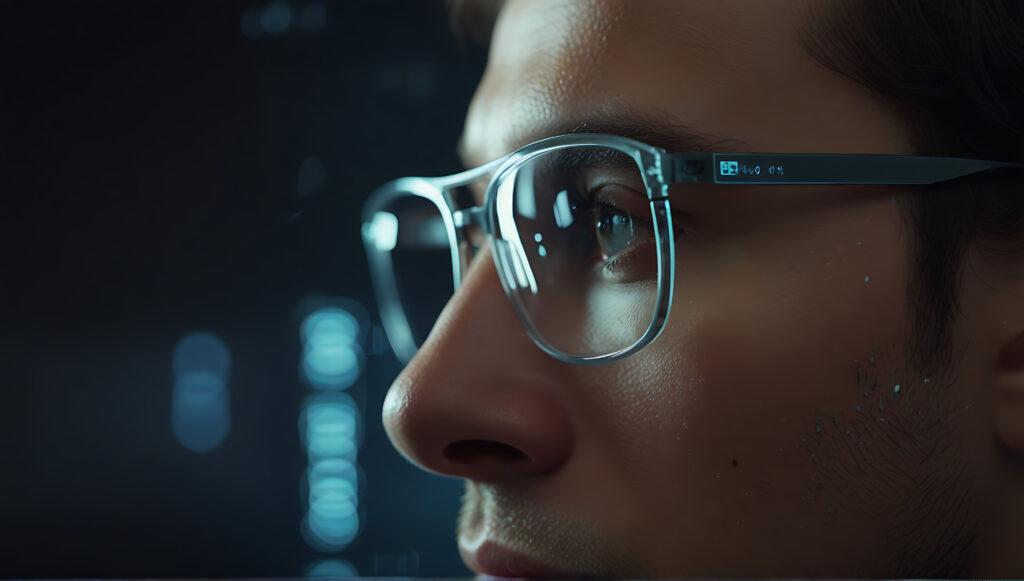
AI Smart Glasses in 2026: What They Can Do and Are They Worth Buying?
Smart glasses have been around for years, but 2026 is shaping up to be a particularly important year for AI-powered eyewear. At CES 2026, smart glasses and wearables were highlighted as a growing technology category, with newer products combining voice-based AI, cameras, translation, and other hands-free features.
Unlike traditional glasses, today's AI smart glasses can act as a hands-free interface between you and your digital world. Instead of constantly reaching for your smartphone, you can ask questions, capture photos, listen to audio, get information about what you're looking at, and in some products even translate conversations.
But are AI smart glasses actually useful, or are they simply another piece of technology that sounds more impressive than it is?
The answer depends heavily on how you plan to use them.
In this guide, we'll explain what AI smart glasses are, how they work, what they can actually do, and which features are genuinely useful in everyday life.
What Are AI Smart Glasses?
AI smart glasses are wearable glasses that combine traditional eyewear with technologies such as cameras, microphones, speakers, wireless connectivity, and artificial intelligence.
Instead of looking like a typical technology gadget, many modern models are designed to resemble ordinary glasses or sunglasses.
This makes them different from bulky virtual-reality headsets or traditional augmented-reality devices.
Depending on the model, AI smart glasses can allow you to:
Ask an AI assistant questions
Take photos
Record videos
Listen to music
Make phone calls
Send messages
Identify objects
Ask questions about what you're seeing
Translate languages
Receive information without holding your phone
Some newer glasses also incorporate displays, while other models provide information through audio rather than putting visuals directly in front of your eyes.
How Do AI Smart Glasses Work?
AI smart glasses typically combine several technologies into a small wearable package.
A camera can capture what's in front of you, while microphones detect your voice and surrounding sounds. Speakers built into the frames can then provide responses, music, calls, or translated speech.
The glasses connect to a smartphone and companion application in many implementations, while AI processing may happen partly on the glasses and partly through connected services.
For example, you could look at an unfamiliar object and ask the glasses a question about it. The camera can provide visual information to the AI system, which can then interpret the scene and respond through audio.
This combination of vision + voice + AI is what makes modern smart glasses different from simple Bluetooth audio glasses.
What Can AI Smart Glasses Actually Do?
The capabilities vary considerably between models, but today's AI glasses are becoming much more useful than early smart eyewear.
At CES 2026, smart glasses were showcased with features including generative-AI voice interfaces, real-time translation, recording, and other hands-free interactions.
Let's look at some of the most useful capabilities.
AI Voice Assistants
One of the biggest advantages of AI smart glasses is the ability to interact with an AI assistant without taking your smartphone out of your pocket.
Instead of opening an app and typing a question, you can simply speak.
You might ask:
"What am I looking at?"
"What's the weather today?"
"Translate this sign."
"Tell me about this building."
"Set a reminder."
"Play some music."
"Call my friend."
Some current AI glasses integrate assistants capable of answering questions about the world around you. For example, Ray-Ban Meta's current AI glasses can respond to questions about objects and landmarks and provide information while you're on the move.
This hands-free interaction is particularly useful when your hands are occupied.
Camera and Visual Recognition
A built-in camera is one of the features that makes AI smart glasses particularly interesting.
Instead of taking out your phone every time you want AI to analyze something, you can use the camera built into the glasses.
For example, you could point your attention toward:
A plant
A landmark
A product
A restaurant menu
A street sign
A piece of artwork
An unfamiliar object
You can then ask the AI assistant about what you're seeing.
Current Ray-Ban Meta models, for example, include a 12MP camera and visual AI capabilities that can identify or provide information about things in the user's surroundings.
This could be especially useful when traveling or exploring unfamiliar places.
Real-Time Translation
Language translation is one of the most interesting practical applications for AI glasses.
Imagine traveling to another country and encountering a sign or having a conversation with someone who speaks another language. Instead of constantly switching between apps on your phone, compatible smart glasses can provide translated information through audio or other supported interfaces.
Current Ray-Ban Meta AI glasses support live translation across several languages, with additional language support continuing to expand.
Translation features can be particularly useful for:
International travelers
Students
Business professionals
Tourists
Multilingual conversations
However, translation capabilities vary between products and regions, so buyers should always check exactly which languages and features are supported before purchasing.
Navigation and Directions
Navigation is another area where smart glasses could eventually reduce how often we need to look at our smartphones.
Instead of holding your phone while walking around an unfamiliar city, compatible smart glasses can potentially provide directions through audio or, on display-equipped models, visual information.
This can make navigation more natural because you can keep your attention on your surroundings.
For travelers, this could become one of the most useful reasons to own AI-powered eyewear.
However, navigation functionality isn't identical across all smart glasses. Some rely heavily on a connected smartphone, while newer display-equipped products can provide more information directly within your field of view.
Taking Photos and Videos
Smart glasses can also function as a hands-free camera.
Rather than reaching for your smartphone, you can use a voice command or physical control to capture what's happening around you.
This can be useful for:
Travel memories
Walking tours
Cycling
Outdoor activities
Family moments
First-person content
Quick social media clips
Current Ray-Ban Meta Gen 2 glasses, for example, feature an ultra-wide 12MP camera capable of capturing 3K video, according to Meta.
The biggest advantage isn't necessarily image quality—smartphones may still be better for many photography situations. The advantage is perspective and convenience.
You don't have to stop what you're doing to reach for your phone.
Listening to Music and Taking Calls
AI smart glasses aren't only about artificial intelligence.
Many models also function as wireless audio devices, with built-in speakers and microphones.
This means you can:
Listen to music
Hear podcasts
Take phone calls
Listen to navigation instructions
Interact with an AI assistant
The open-ear approach can also allow you to remain aware of your surroundings while listening.
For people who don't want to constantly wear traditional earbuds, this can make smart glasses an interesting alternative.
AI Smart Glasses vs Regular Smart Glasses
Not every pair of smart glasses is powered by artificial intelligence.
Some products are essentially wireless audio devices built into traditional-looking frames. Others add cameras, voice assistants, AI vision, translation, or displays.
This distinction is important when comparing products.
Regular Smart Glasses
These may focus primarily on:
Music playback
Phone calls
Notifications
Voice controls
Hands-free audio
AI Smart Glasses
These can add capabilities such as:
AI-powered questions and answers
Visual recognition
Image analysis
Translation
Generative AI assistance
Hands-free interaction with digital services
If you only want wireless audio, a simpler pair of smart glasses may be enough. If you want a wearable AI assistant, you'll need to look for a model with the appropriate AI and camera features.
Smart Glasses vs Smartphones
Smartphones remain significantly more versatile than smart glasses.
Your phone has a large screen, powerful applications, advanced cameras, extensive storage, and access to thousands of services.
So why would anyone want smart glasses?
The answer is hands-free interaction.
With a smartphone, you typically have to:
Take the phone out.
Unlock it.
Open an application.
Type or tap.
Look at the screen.
With AI smart glasses, many interactions can happen through voice.
For example, while walking through a new city, you could ask an AI assistant a question without stopping to look at your phone.
Smart glasses aren't necessarily designed to replace smartphones. Instead, they can work as an additional interface that makes certain everyday interactions faster and more natural.
Privacy Concerns You Should Consider
AI smart glasses come with an important question: What happens when a camera is constantly available on someone's face?
This is one of the biggest concerns surrounding camera-equipped wearable technology.
People nearby may not always know whether they're being recorded. Businesses, schools, workplaces, and other public environments may also have their own rules about cameras.
Before using smart glasses, consider:
Whether recording indicators are clearly visible
Where photography and recording are permitted
How captured content is stored
What data the companion app collects
Which AI services process your information
Whether recordings are uploaded to the cloud
Privacy policies and product settings can differ significantly between manufacturers.
Responsible use matters just as much as the technology itself. Always respect people's privacy and follow local rules when recording in public or private spaces.
Battery Life
Battery life is another important consideration.
Smart glasses need to power multiple components, including:
Cameras
Microphones
Speakers
Bluetooth connectivity
AI-related features
Displays on supported models
Using cameras, AI features, calls, and music continuously can consume considerably more power than simply wearing the glasses.
When comparing models, don't look only at the advertised maximum battery life. Consider how you'll actually use them.
If you plan to record videos frequently or use AI features throughout the day, charging requirements may become more important.
A charging case can also be useful because it allows you to recharge the glasses while carrying them.
Comfort and Design Matter
Smart glasses are still glasses. That means comfort is just as important as technical specifications.
If the frames are too heavy, uncomfortable, or difficult to wear for long periods, even impressive AI features won't make the product enjoyable.
Consider:
Overall weight
Frame size
Nose-pad comfort
Lens options
Hinge quality
Balance across the frame
Prescription compatibility
Sunglasses options
If you already wear glasses, check whether the model supports prescription lenses.
A good pair of smart glasses should feel like something you'd naturally wear rather than a gadget you have to tolerate.
Who Should Buy AI Smart Glasses?
AI smart glasses can make sense for certain users.
Travelers
Travelers may appreciate:
Translation
Navigation
Hands-free photography
AI assistance
Audio directions
Smart glasses could become particularly useful when exploring unfamiliar places.
Content Creators
Creators can benefit from hands-free first-person recording and quick access to audio and AI features.
They're particularly interesting for people who want to capture spontaneous moments without constantly holding a camera.
Technology Enthusiasts
If you enjoy experimenting with emerging technology, AI smart glasses offer an interesting glimpse into how AI could become more integrated into everyday life.
People Who Want Hands-Free Assistance
If you frequently have your hands occupied while working, walking, cooking, or performing other activities, voice-based AI assistance can be genuinely useful.
Who Should Avoid AI Smart Glasses?
Smart glasses aren't for everyone.
You may want to wait if:
You rarely use voice assistants.
You don't need hands-free photography.
You already prefer using your smartphone for everything.
Battery charging is inconvenient for you.
Privacy concerns outweigh the benefits.
You don't want to pay a premium for emerging technology.
There's nothing wrong with waiting. Wearable AI is still developing, and future generations may offer better battery life, smaller designs, improved AI, and more capable displays.
Common Buying Mistakes
Buying Based on Hype
AI smart glasses are exciting, but marketing can make products seem more capable than they actually are.
Always check which features are available in your country and on your specific model.
Ignoring Smartphone Compatibility
Many smart glasses rely on a smartphone and companion app. Make sure your phone meets the manufacturer's requirements.
Forgetting Battery Requirements
If you plan to use the camera and AI heavily, battery life becomes especially important.
Ignoring Privacy Features
Understand how recording indicators, data storage, cloud processing, and account settings work before purchasing.
Choosing Features You'll Never Use
Don't pay extra for advanced features simply because they sound impressive.
Choose based on what you'll actually use.
Frequently Asked Questions
Are AI smart glasses worth buying?
They can be worth buying if you value hands-free AI, photography, calls, audio, translation, or other wearable features. They're less compelling if you prefer doing everything through your smartphone.
Can AI smart glasses replace a smartphone?
Not currently. Smartphones remain much more versatile and provide larger screens, extensive applications, better controls, and broader functionality.
Do AI smart glasses need a phone?
Many models depend on a paired smartphone for setup, internet connectivity, applications, or certain features. Always check the specific product requirements.
Can smart glasses take photos and videos?
Many camera-equipped models can. Recording duration, resolution, controls, and storage options vary by product.
Can AI smart glasses translate languages?
Some models support translation features, but supported languages and functionality vary. Check the manufacturer's current specifications before purchasing.
Are AI smart glasses safe to wear?
The glasses themselves are generally designed for normal use, but users should follow manufacturer instructions and avoid allowing technology to distract them from traffic, stairs, or other hazards.
Can I wear AI smart glasses with prescription lenses?
Some models support prescription lenses, but compatibility varies. Check the manufacturer's supported lens options before buying.
Will AI smart glasses become more popular?
The category is still developing, but continued improvements in AI, cameras, battery technology, and wearable hardware could make smart glasses increasingly useful over time.
AI Smart Glasses Buying Checklist
Before purchasing, consider:
✅ What AI features do I actually need?
✅ Does the product work with my smartphone?
✅ Is the camera quality sufficient?
✅ How long does the battery last with my expected usage?
✅ Does it support prescription lenses if necessary?
✅ Is the frame comfortable?
✅ Are translation features available in my language?
✅ How are photos and recordings stored?
✅ What privacy controls are available?
✅ Are the features supported in my country?
✅ Does it come with reliable software and manufacturer support?
This checklist can help separate genuinely useful features from marketing hype.
Final Thoughts
AI smart glasses are one of the most interesting developments in consumer technology. Instead of forcing users to constantly look down at a smartphone, they bring certain digital interactions closer to the way we naturally experience the world.
The most exciting aspect isn't simply the ability to take photos or listen to music. It's the combination of AI, cameras, microphones, speakers, and hands-free interaction in something that can look and feel much like ordinary eyewear.
At the same time, AI smart glasses aren't a replacement for smartphones yet. Battery life, privacy, connectivity, comfort, and feature availability still need careful consideration. Some features may also depend on a smartphone or internet connection.
If you're considering buying a pair, focus on your actual needs rather than the hype surrounding the category. Travelers may value translation and navigation, creators may appreciate hands-free photography, while everyday users might simply enjoy calls, music, and voice-based AI assistance.
The technology is evolving quickly, so choosing a product with strong software support and useful features can be more important than chasing the newest specification.
At AnantaGo, our goal is to help you understand emerging technology before spending your money. Whether you're curious about AI smart glasses, wearable technology, or the next generation of consumer gadgets, researching the real-world benefits and limitations is the best way to make a smarter buying decision.