Your Phone Can Be Hacked Without You Clicking Anything — Here’s How It Happens
You don't always have to click a malicious link to become a hacking victim. Zero-click attacks can exploit vulnerabilities through messages, calls or other data without requiring the victim to interact with them.
And somehow, your phone has already been targeted.
It sounds like something from a spy movie, but a type of cyberattack known as a "zero-click attack" can work this way. These attacks are particularly concerning because they don't necessarily depend on tricking someone into pressing a dangerous button. Instead, attackers try to exploit a weakness in the software that processes incoming data.
That could involve a messaging app, a media file, a call-handling system or another component of a device. The good news is that ordinary users are not automatically helpless. Understanding how these attacks work can help you make smarter security decisions and keep your phone better protected.
What Is a Zero-Click Attack?
A zero-click attack is a cyberattack that attempts to compromise a device without requiring the victim to click a link, install an app or perform another obvious action. The attacker takes advantage of a software vulnerability.
The important part is the word "vulnerability." Software is extremely complicated. Apps and operating systems have to process enormous amounts of information every day, including images, videos, messages, documents and other data.
If there is a programming mistake in the code responsible for processing that information, an attacker may sometimes be able to send specially crafted data designed to trigger the weakness. In the most serious cases, the victim may not realize anything unusual happened.
Why These Attacks Are So Dangerous
Most online scams depend on one thing: your cooperation. You have to click the fake delivery message. You have to open the attachment. You have to enter your password. You have to install the suspicious application. Zero-click attacks are different.
The attacker is trying to remove that human step from the equation. That makes them particularly valuable for highly targeted attacks. A normal scam might be sent to thousands of people hoping a few victims will respond. A sophisticated zero-click attack can instead be designed to target a specific person or a specific type of device.
That doesn't mean everyone is being secretly hacked through their phone. These attacks can be difficult and expensive to develop, which is one reason they are generally associated with sophisticated attackers and highly targeted campaigns.
Your Messages Can Be More Complicated Than They Look
One reason zero-click attacks can exist is that modern messaging isn't as simple as typing text into a box. When you receive a photo, video, voice message or other piece of content, your phone may automatically process parts of that data so the app can display it correctly.
For example, an application might generate a preview of an image before you deliberately open it. That processing happens in the background. If the software responsible for processing a particular type of file contains a security vulnerability, specially crafted data could potentially be used to attack the application.
The user doesn't necessarily have to understand what is happening. This is why security updates are so important. They can fix vulnerabilities before attackers are able to take advantage of them.
Does This Mean Anyone Can Hack Your Phone?
No. This is an important distinction. Hearing that zero-click attacks exist does not mean your phone is constantly one message away from being hacked. Sophisticated attacks can require extensive technical knowledge, significant research and a previously unknown software vulnerability.
Some attacks are also designed for specific versions of an operating system or particular applications. Cybercriminals generally look for the easiest and most profitable targets. For everyday users, ordinary scams such as phishing, fake apps, stolen passwords and malicious links remain major threats.
That doesn't make zero-click attacks irrelevant. It simply means you shouldn't panic. The sensible response is to reduce the opportunities attackers have to exploit known weaknesses.
How to Protect Your Phone
Keep your phone's operating system updated.
Install security updates when they become available.
Keep important apps updated through official app stores.
Avoid installing applications from unknown sources.
Use a strong screen lock.
Enable additional account security such as two-step verification where available.
Be cautious about unexpected messages and attachments.
Remove apps you no longer use.
Restart your device regularly when recommended by your device manufacturer or security guidance.
Why Updates Matter More Than Most People Think
Many people postpone software updates because they don't want to interrupt their day. That can be a mistake. Security researchers constantly discover vulnerabilities in operating systems and applications. Once a vulnerability becomes known, developers can create a fix.
That fix usually reaches users through a software or security update. The longer an important update remains uninstalled, the longer the device may remain vulnerable to a problem that has already been addressed. An update isn't just about adding a new feature or changing the appearance of your phone. Sometimes its most important purpose is fixing something you will never see.
What If You Receive a Strange Message?
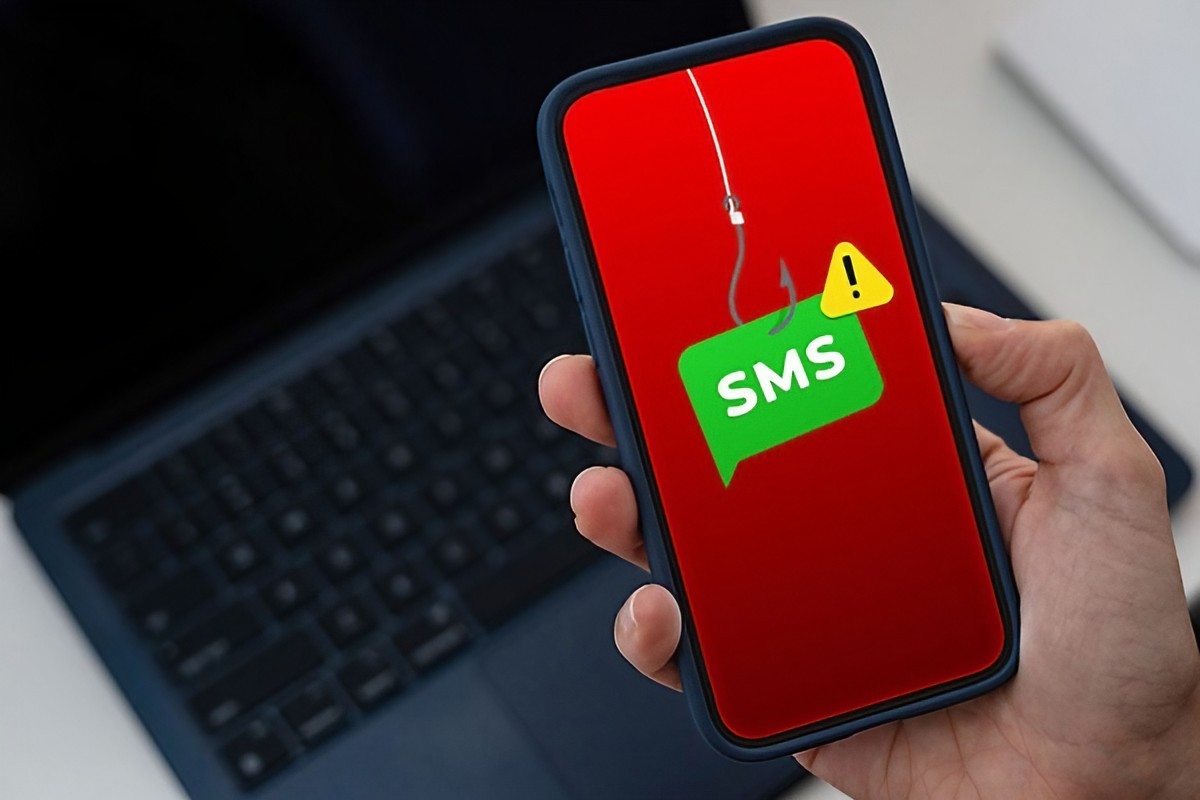
Don't immediately assume you've been hacked. A strange message is much more commonly associated with spam, phishing or an ordinary scam than an advanced zero-click attack. However, you should still avoid interacting with suspicious content.
Don't reply. Don't click unfamiliar links. Don't download unknown files. Don't provide passwords, verification codes or financial information. If your phone suddenly behaves strangely, check for available system and app updates first. If you have a serious reason to believe the device has been compromised, especially if you are a high-risk target, consider getting professional help.
The Bigger Lesson About Phone Security
Zero-click attacks reveal something important about modern technology. Security isn't only about making good decisions. It is also about the software itself being designed and maintained securely. You can be extremely careful online and still depend on developers to find and fix vulnerabilities.
That's why security works best as a combination of technology and good habits. Your phone's operating system protects you. App developers fix vulnerabilities. Security researchers discover problems. And you protect yourself by keeping everything updated and being careful with what you install and share.
The Bottom Line
The idea that your phone could be attacked without you clicking anything sounds frightening. But understanding the threat is more useful than worrying about it. Zero-click attacks exploit weaknesses in software and can be extremely sophisticated. For most people, the best defense isn't a mysterious security app or complicated technical trick.
It starts with simple habits. Keep your phone updated. Keep your apps updated. Use strong account protection. Avoid unknown software. Be careful with unexpected messages. And remember that a security update may be protecting you from a problem you will never even notice. Your phone is one of the most personal devices you own. Keeping it secure is worth a few minutes of attention.
Helpful answers
Frequently Asked Questions
Can a phone really be hacked without clicking anything?+
Yes. Certain sophisticated attacks, known as zero-click attacks, can exploit vulnerabilities without requiring the victim to click a malicious link or install an app.
Are zero-click attacks common?+
They are not the typical attack faced by everyday users. They can require sophisticated techniques and are often associated with highly targeted attacks.
How can I protect my phone from zero-click attacks?+
Keep your operating system and apps updated, use official software sources, enable available security protections and avoid installing unknown applications.
Can WhatsApp messages hack a phone?+
Messaging software can contain vulnerabilities, and security researchers have previously discovered serious vulnerabilities in messaging platforms. Keeping the app and phone updated helps reduce exposure to known issues.
How do I know if my phone has been hacked?+
There isn't one reliable symptom that proves a phone has been hacked. Unexpected behavior can have many ordinary causes. If you have serious concerns, update the device, review installed apps and seek professional security assistance.
Does turning off my phone protect me from a zero-click attack?+
Turning a device off can interrupt active processes, but it should not be considered a complete security solution. Keeping the operating system updated is a much more important long-term protection.
Are iPhones and Android phones both vulnerable to cyberattacks?+
Both platforms can have security vulnerabilities. No complex software system is completely immune to bugs, which is why manufacturers regularly release security updates.