What Are AI Agents? The New Type of AI That Can Actually Do Things
AI is moving beyond simply answering questions. AI agents are designed to take actions, use tools and complete multi-step tasks with less human involvement. Here's what AI agents are, how they work and why they could change the way we use computers.
Artificial intelligence has become remarkably good at generating text, images, code and answers to questions. But a new idea is pushing AI into a different direction. Instead of simply asking an AI a question and receiving a response, you can give an AI system a goal and allow it to work through several steps to achieve that goal.
These systems are commonly called AI agents. The concept is attracting significant attention because companies are increasingly exploring AI systems that can perform tasks across software and business workflows rather than simply generate content. Recent industry research describes agentic AI as a major trend in 2026.
So what exactly is an AI agent? And how is it different from the chatbot you are already using?
What Is an AI Agent?
An AI agent is a software system that can use artificial intelligence to pursue a goal, decide what steps are needed and interact with tools or other software to complete those steps. A normal chatbot might answer a question such as, "What are the best hotels in Delhi?"
An agent could potentially go further. It could research available options, compare information, organize the results and prepare a recommendation based on instructions. The important difference is not simply that the agent can produce better text. The difference is that an agent can be designed to take actions as part of a longer process. In simple terms, a chatbot primarily responds. An AI agent is designed to work toward a goal.
How Is an AI Agent Different From a Chatbot?
The easiest way to understand the difference is to compare their jobs. Imagine asking a chatbot to plan a weekend trip. A traditional chatbot might give you a suggested itinerary based on the information you provide.
But An agent-based system could be designed to perform additional tasks. Depending on the tools and permissions available to it, the system might search information, compare options, organize a schedule and prepare the result.
This does not mean every AI agent can independently perform all of these actions. An agent can only use the tools, data and permissions that developers make available to it. That distinction is important because the capabilities of an AI agent depend heavily on its surrounding software.
Feature
Traditional Chatbot
AI Agent
Main purpose
Answer or generate
Complete a goal
Interaction
Usually question and response
Multi-step workflow
Planning
Limited
Can be designed to plan tasks
Tools
May have limited tool access
Can use connected tools
Actions
Mostly generates information
Can perform permitted actions
Human involvement
Usually frequent
Can be reduced for certain workflows
The Four Main Parts of an AI Agent
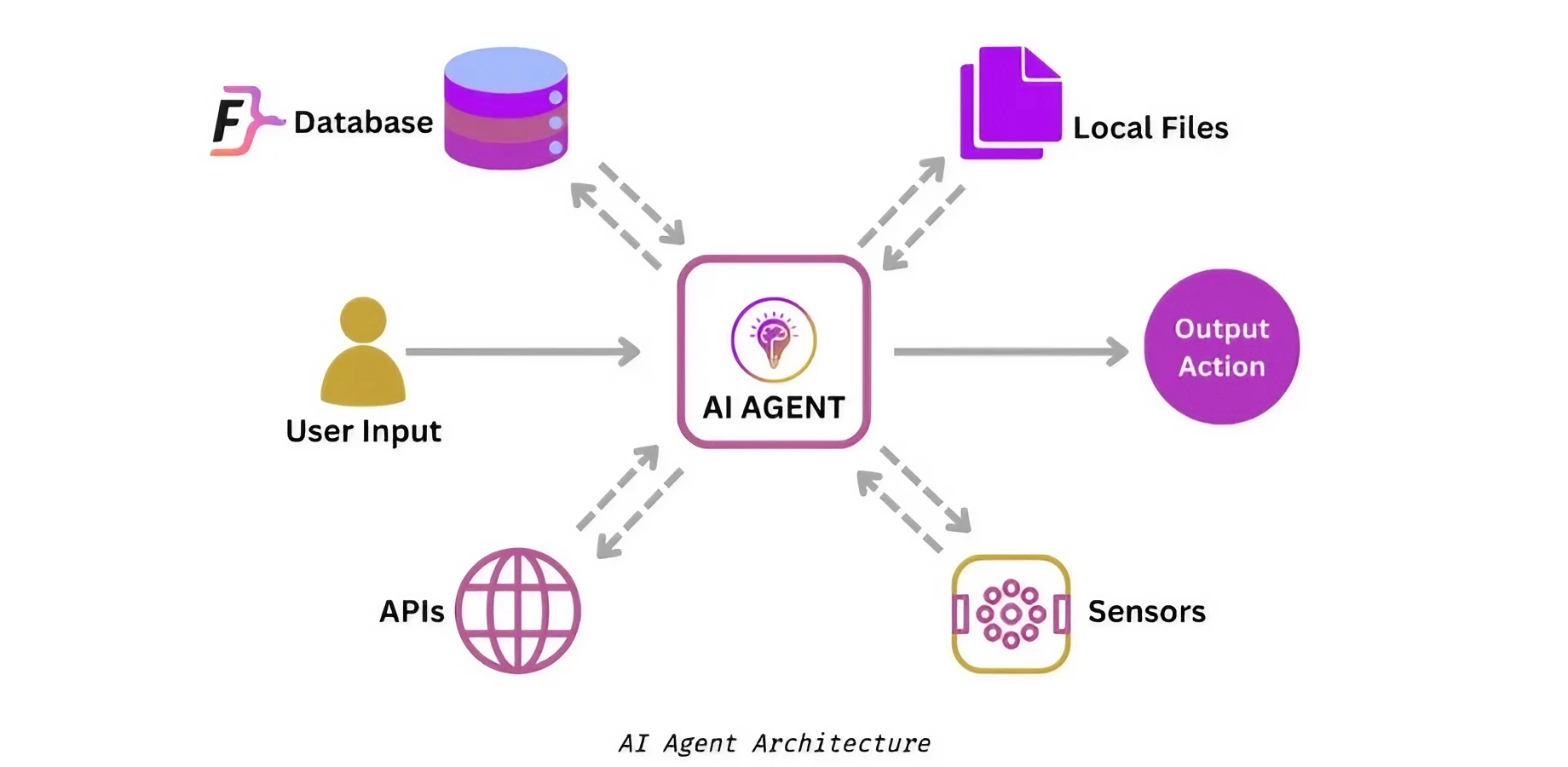
Although AI-agent systems can be built in many different ways, most involve several important components. The first is the AI model. This provides the reasoning and language capabilities used to understand instructions and make decisions.
The second is memory or context. An agent may need information about previous steps, user preferences or the current task. The third is tool access. Tools allow the system to interact with external services, databases, websites, files or applications.
The fourth is an execution loop. Instead of producing one answer and stopping, the agent can evaluate the current situation, decide what to do next and continue until the task reaches an appropriate stopping point. Together, these components turn an AI model into something closer to an automated digital worker.
What Can AI Agents Actually Do?
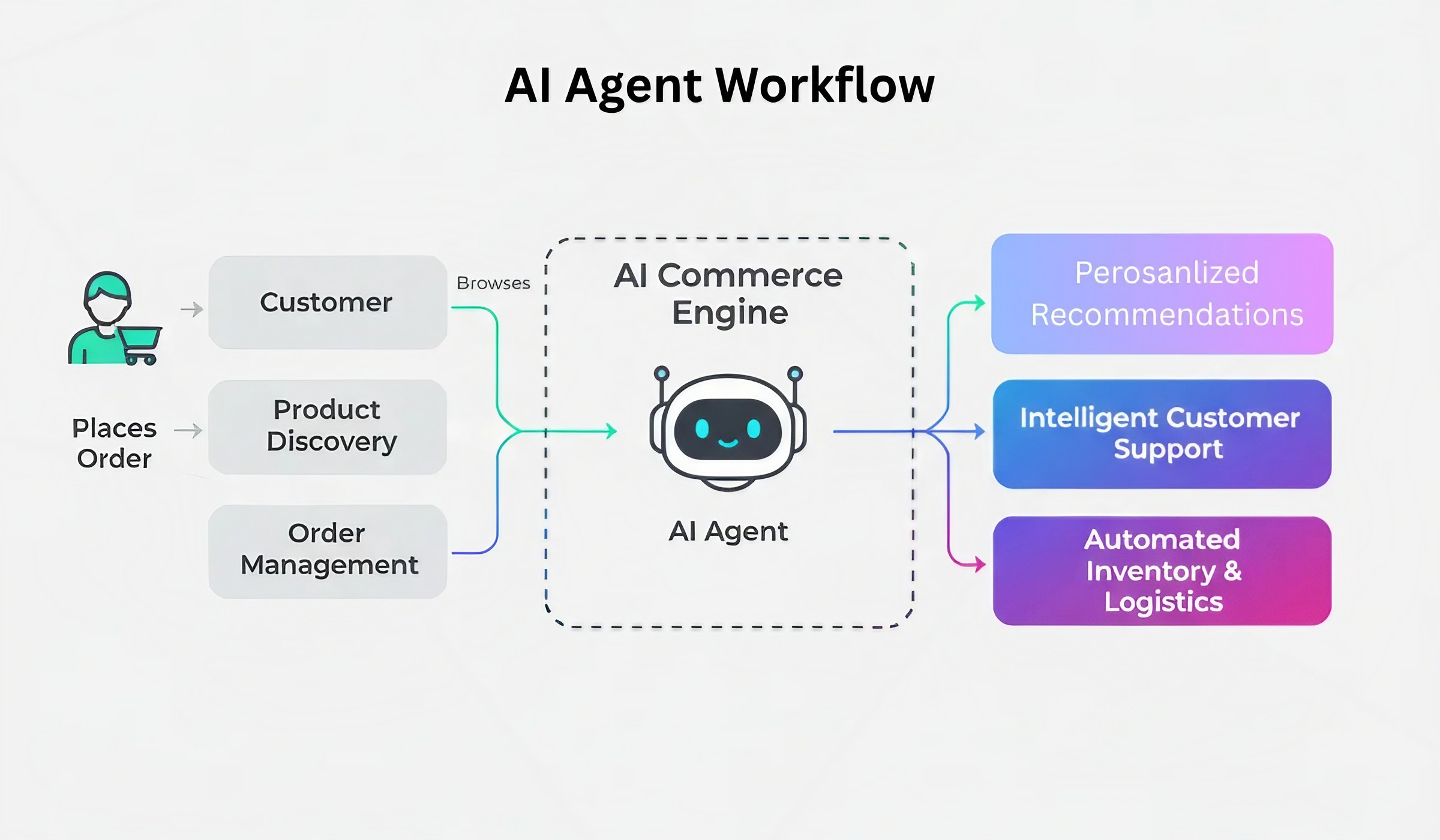
The possibilities depend on what an agent is connected to. In a workplace, an agent could potentially help organize information from documents, summarize incoming requests or move information between approved business systems. A software-development agent could assist with code, run tests and help identify problems.
A customer-service agent could retrieve information from approved systems and help resolve routine requests. Personal AI agents could eventually handle tasks such as organizing information, preparing schedules or managing repetitive digital workflows.
However, these examples should not be confused with universal capabilities. An AI system cannot magically access every website, application or private account. Its abilities depend on the tools and permissions provided by its developers or user.
Why Are AI Agents Becoming Important Now?
The recent excitement around AI agents comes from the combination of several technologies becoming more capable at the same time. Modern AI models are better at understanding instructions and working with different types of information.
Software developers can also connect those models to tools and APIs that allow them to retrieve information or perform specific actions. At the same time, companies are looking for ways to move AI from simple experiments into real workflows.
That creates an obvious opportunity. Instead of asking an employee to manually complete every repetitive digital step, an organization could potentially automate parts of the process while keeping humans involved where judgment is important. This is one reason agentic AI has become a major focus across the technology industry.
What Could Go Wrong?
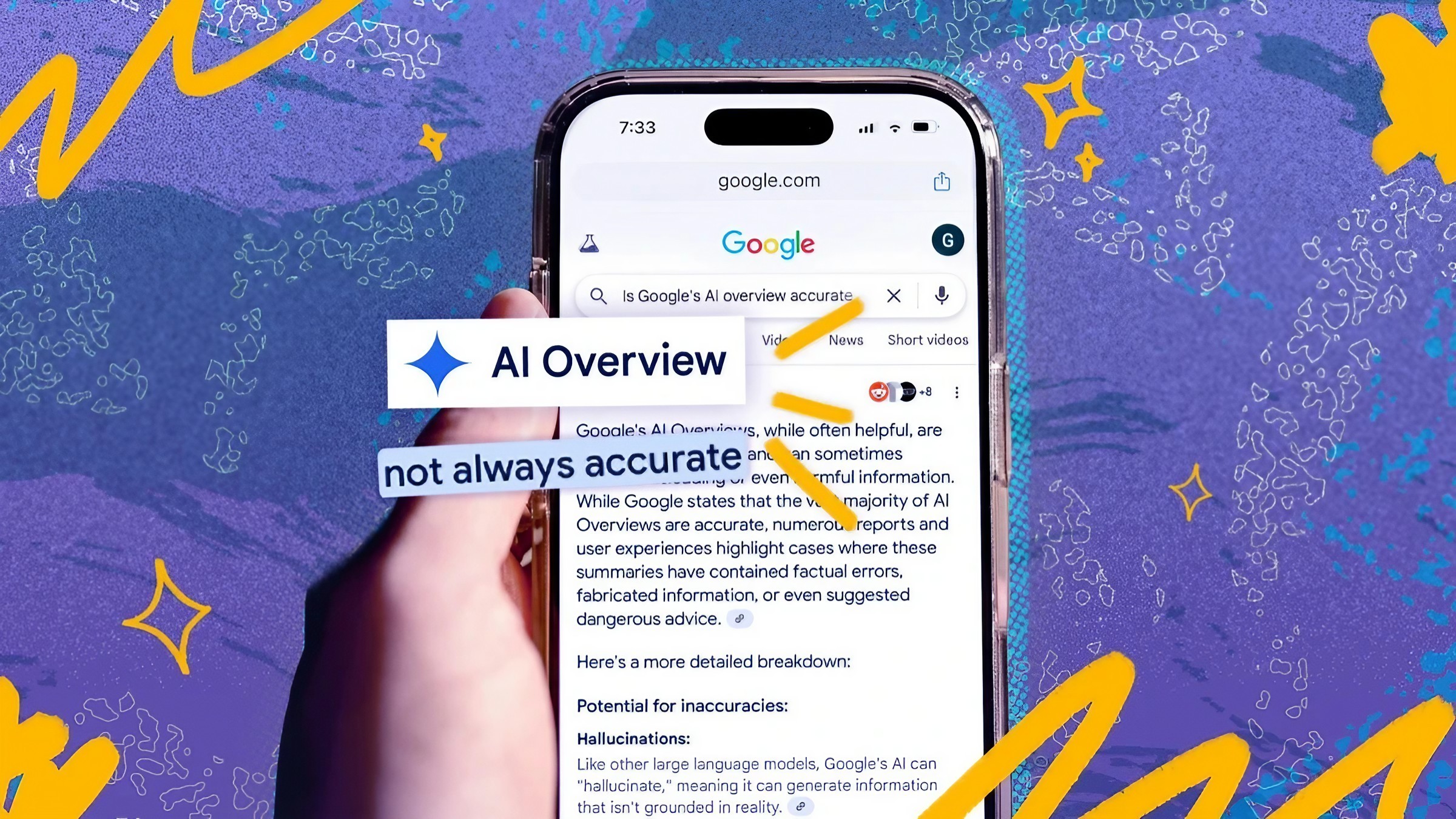
Giving an AI system the ability to take actions also creates new risks. A chatbot that produces a bad answer is one problem. An agent that misunderstands an instruction and takes an incorrect action can create a much bigger problem. Security researchers and technology companies are therefore paying close attention to issues such as excessive permissions, prompt injection, data exposure and unintended actions.
Recent reports have also highlighted concerns about AI systems interacting with external environments in unexpected ways, reinforcing the need for stronger testing and safeguards. For this reason, responsible agent design should include clear permissions, monitoring, human oversight and limits on what the system can do.
Will AI Agents Replace People?
It is too early to say that AI agents will simply replace large numbers of workers. A more realistic possibility is that they will change how people perform certain tasks. An employee who currently spends hours collecting information, moving data between systems or preparing routine documents may eventually use AI to automate parts of that workflow.
That does not eliminate the need for human judgment. Someone still needs to decide what the system should accomplish, check important results and deal with situations the AI cannot handle reliably. The biggest change may therefore be less about humans disappearing from workflows and more about humans spending less time on repetitive digital work.
What Should Everyday Users Watch For?
Check what permissions an AI tool requests.
Avoid giving an AI system unnecessary access to private information.
Review important actions before allowing automation.
Do not assume an AI-generated result is automatically correct.
Use trusted services and keep software updated.
Understand whether your data is stored or used by the service.
The Bottom Line
AI agents represent an important change in the way artificial intelligence can be used. Instead of stopping after generating an answer, an agent can be designed to plan, use tools and complete multiple steps toward a goal. That could make AI much more useful for everyday work, software development, customer service and personal productivity.
But more capability also means more responsibility. An AI system that can take actions needs stronger safeguards than one that simply generates text. The technology is still developing, and not every product marketed as an "AI agent" offers the same level of autonomy. For users, the simplest way to understand the trend is this:
Chatbots answer. AI agents are being designed to act. And that difference could become one of the biggest changes in how we interact with software over the next few years.
Helpful answers
Frequently Asked Questions
What is an AI agent in simple words?+
An AI agent is a software system designed to pursue a goal by planning steps, using available tools and taking permitted actions instead of simply responding with an answer.
What is the difference between AI and an AI agent?+
AI is a broad technology category. An AI agent is a system that uses AI capabilities together with tools, context and an action process to work toward a specific goal.
Can AI agents use other apps?+
They can when developers provide appropriate integrations, APIs or other tools. An AI agent does not automatically have access to every application on a computer or phone.
Are AI agents safe?+
Safety depends on how the agent is designed and what permissions it receives. Strong access controls, monitoring, testing and human oversight can reduce the risk of unintended actions.
Will AI agents replace jobs?+
AI agents are likely to automate some tasks and change how certain jobs are performed, but the overall effect on employment will vary by industry, task and how organizations adopt the technology.
Why are AI agents trending in 2026?+
Improving AI models, better tool integrations and growing interest in automating multi-step workflows have made agentic AI an important technology trend.
Should I give an AI agent access to my personal accounts?+
Only when necessary and when you trust the service. Give AI systems the minimum permissions required for the task and review what information or actions those permissions allow.