Artificial intelligence is no longer something reserved for science fiction or large technology companies. From smarter assistants and personalized recommendations to writing, navigation, shopping, and productivity, AI is quietly becoming part of everyday life. Here are 10 practical ways AI can make daily tasks easier.

When people hear the term artificial intelligence, they often imagine robots, self-driving cars, or complicated computer systems. But AI has already become much more ordinary than that.
You may use AI several times a day without even realizing it. Your phone can recognize your voice, your map app can suggest a faster route, your streaming service can recommend something to watch, and your email can filter unwanted messages. These are all examples of technology using AI to understand information and make useful predictions.
The biggest benefit of everyday AI is not that it makes life futuristic. It is that it can remove small frustrations from our routines. Here are 10 practical ways AI is helping people save time, find information, stay organized, and get more done.

Voice assistants have become much more useful than simple tools for setting alarms or checking the weather.Modern AI assistants can understand natural language, interpret context, answer questions, create reminders, summarize information, and help users complete everyday tasks. Instead of remembering a specific command, you can usually speak naturally. For example, you might ask your assistant to remind you about an appointment tomorrow or help you organize your day. The important change is that AI is becoming easier to communicate with. You do not need to learn complicated commands to get useful results.

Have you ever opened a streaming app and immediately found several movies or shows that looked interesting? AI is often working behind those recommendations. Recommendation systems study patterns such as what you watch, search for, purchase, skip, or save. They then use those patterns to predict what you might want next. The same idea appears in music apps, online shopping, social platforms, news applications, and even food-delivery services. Good recommendations can save time because you do not have to search through thousands of options manually.

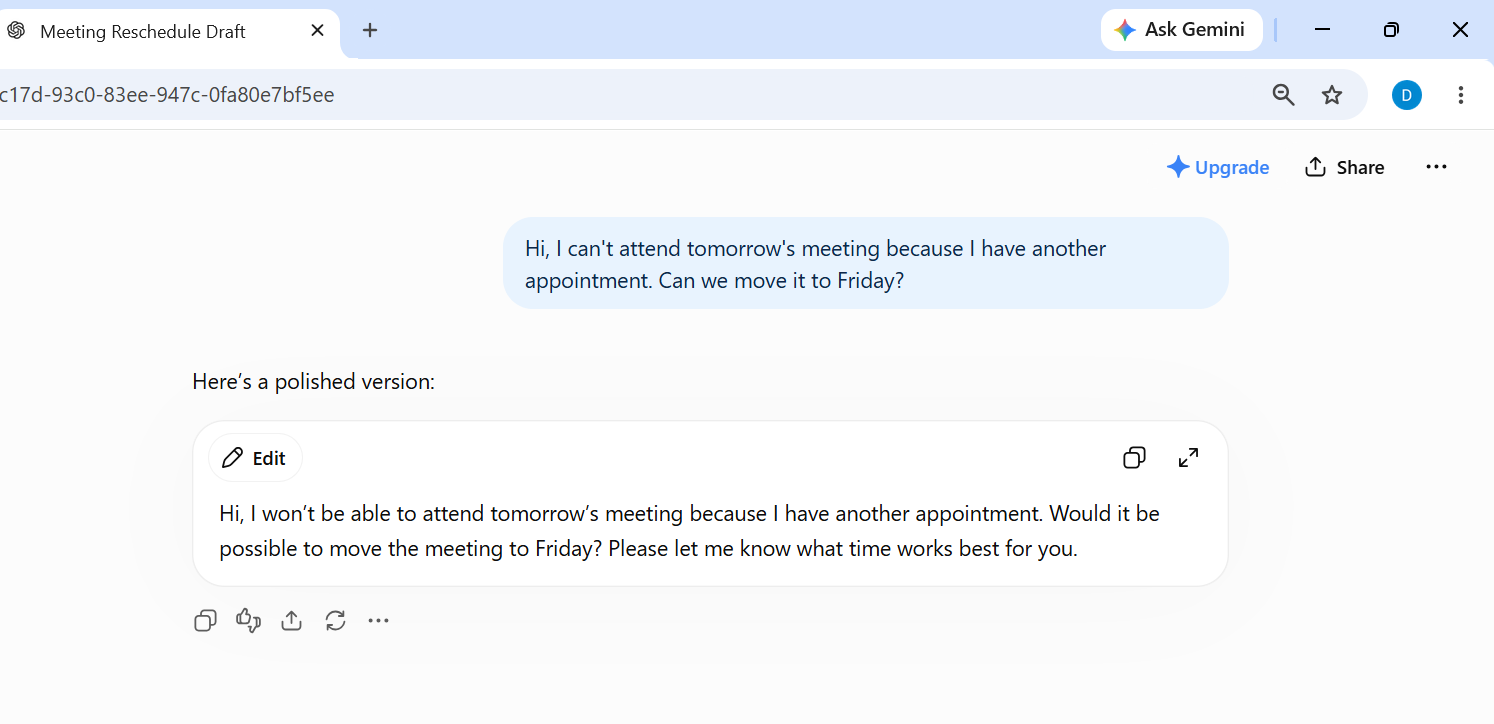
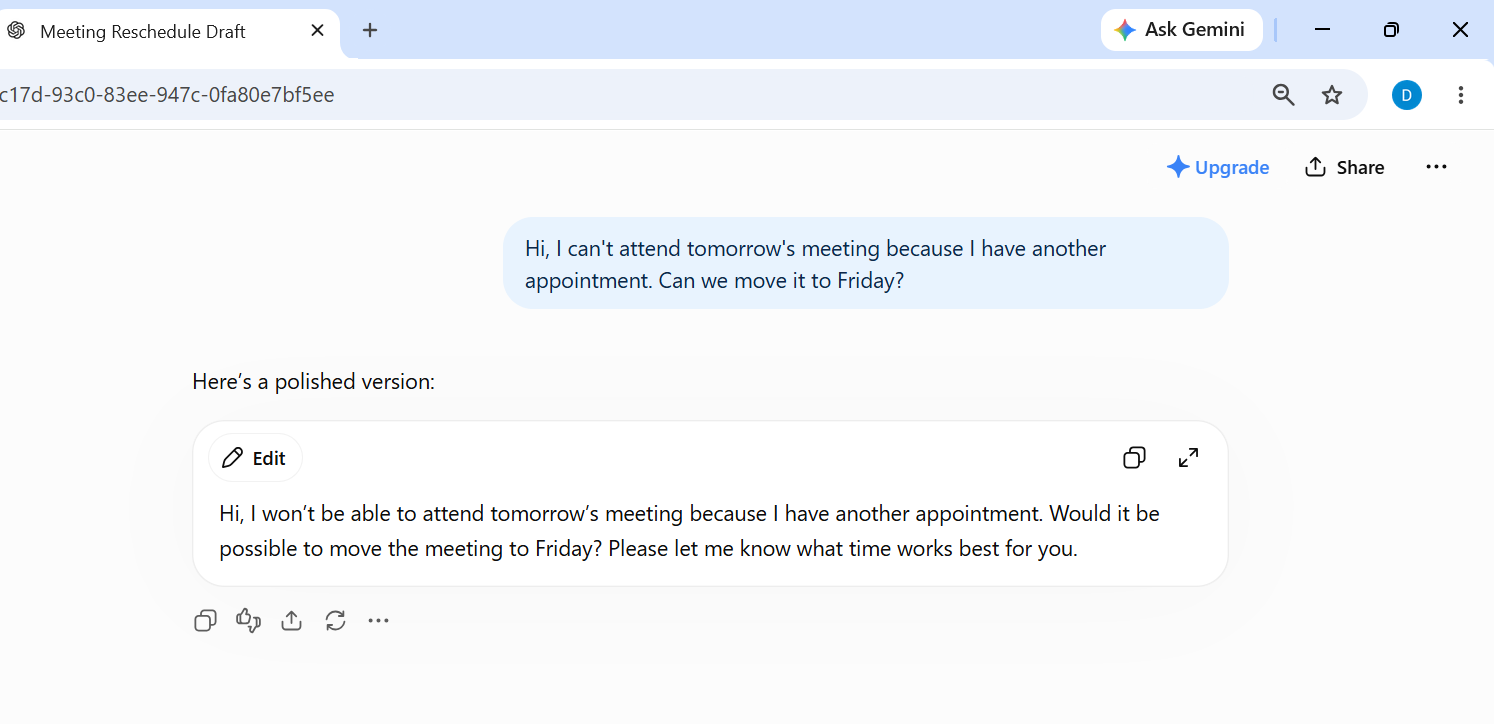
Writing an email, creating a report, preparing a social media post, or simply finding the right words can take longer than expected. AI writing tools can help with these tasks by suggesting ideas, improving grammar, changing tone, summarizing information, or turning rough notes into a clearer draft. This does not mean people should blindly copy everything an AI produces. Human review still matters. The best approach is to use AI as a writing assistant rather than a replacement for your own judgment.
Keep Reading

AI
OpenAI Astra is suddenly one of the biggest names in AI. But what exactly is Astra, is it really GPT-6, and why is OpenAI treating the model as a major safety milestone?

AI
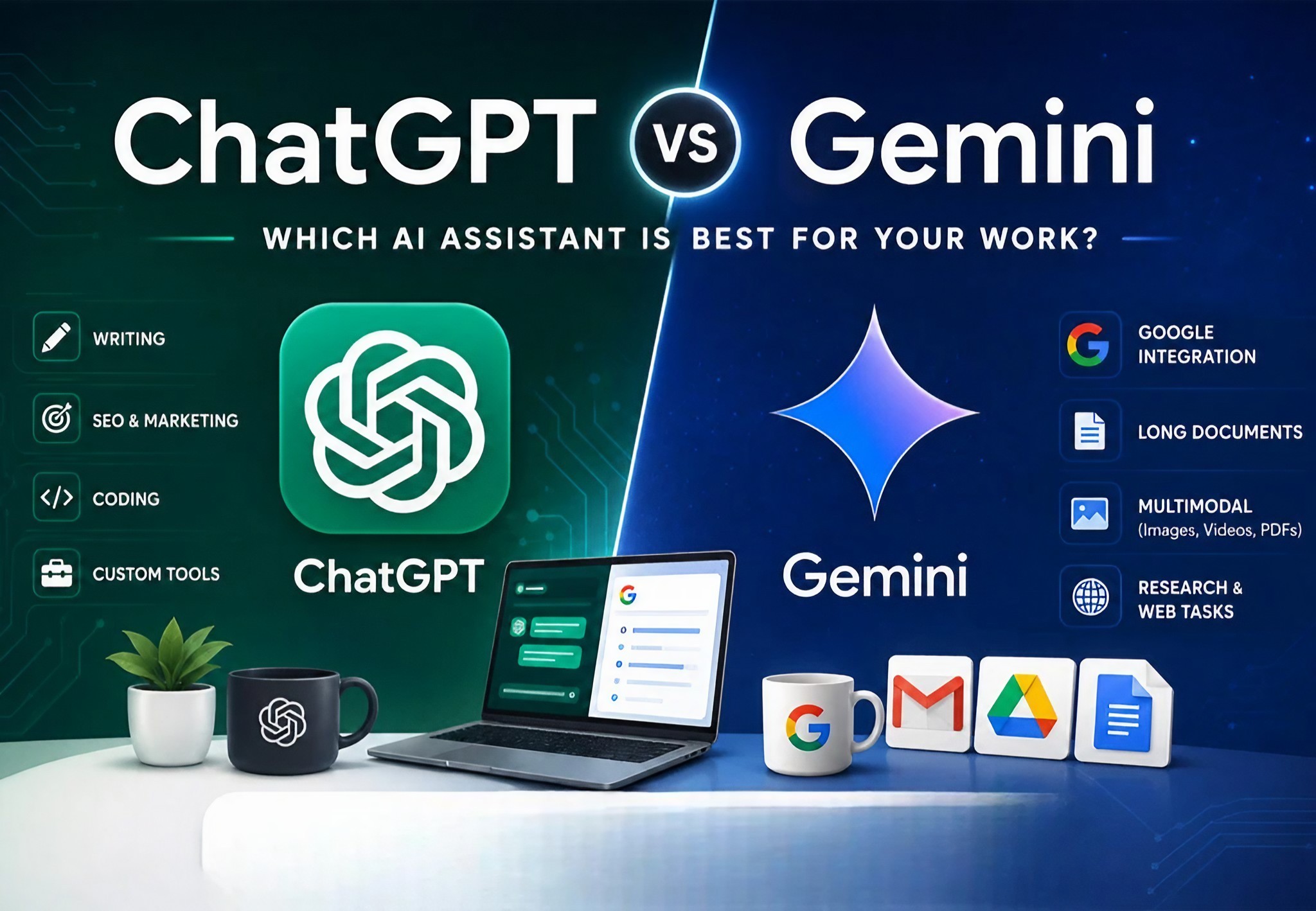
ChatGPT and Gemini have become two of the biggest names in consumer AI. But which one is actually better for everyday users in 2026? We compare where each AI shines, where it struggles and which one may be right for you.


Navigation apps have transformed the way people travel, and AI is making them even more useful. Instead of simply showing a map, modern navigation systems can analyze traffic patterns, road conditions, estimated travel times, and historical information to suggest better routes. If an accident causes a major delay, the system may identify another route and help you avoid unnecessary waiting. For daily commuters, even saving a few minutes on a journey can add up to hours over the course of a month.

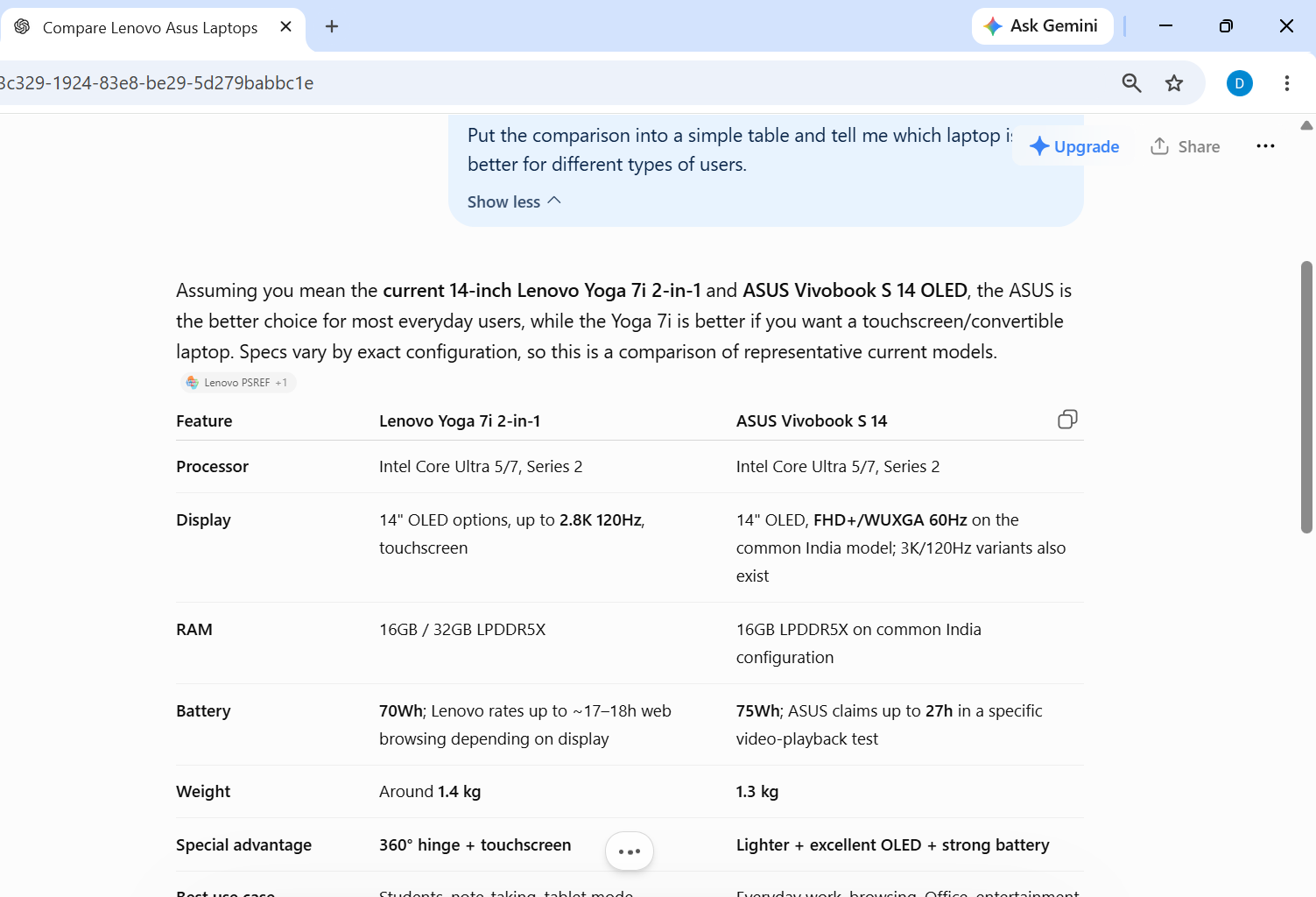
Online shopping can involve thousands of products. AI helps reduce that overwhelming choice. Shopping platforms can analyze your searches, previous purchases, product interests, and browsing activity to recommend items that may be relevant to you. AI can also help users compare products, understand specifications, summarize reviews, and find alternatives. However, recommendations are not always perfect. It is still important to check product details, seller information, pricing, and independent reviews before making an important purchase.

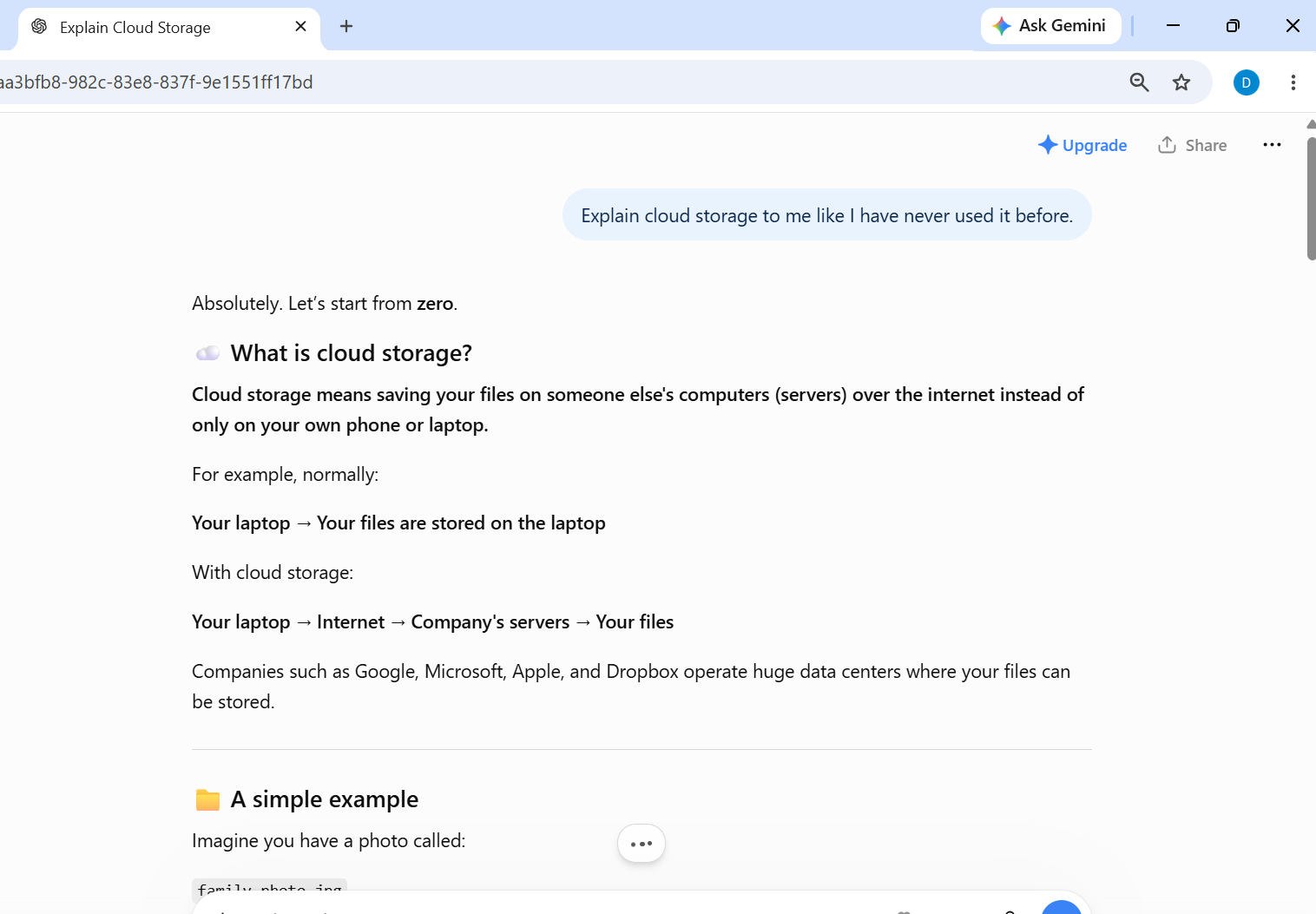
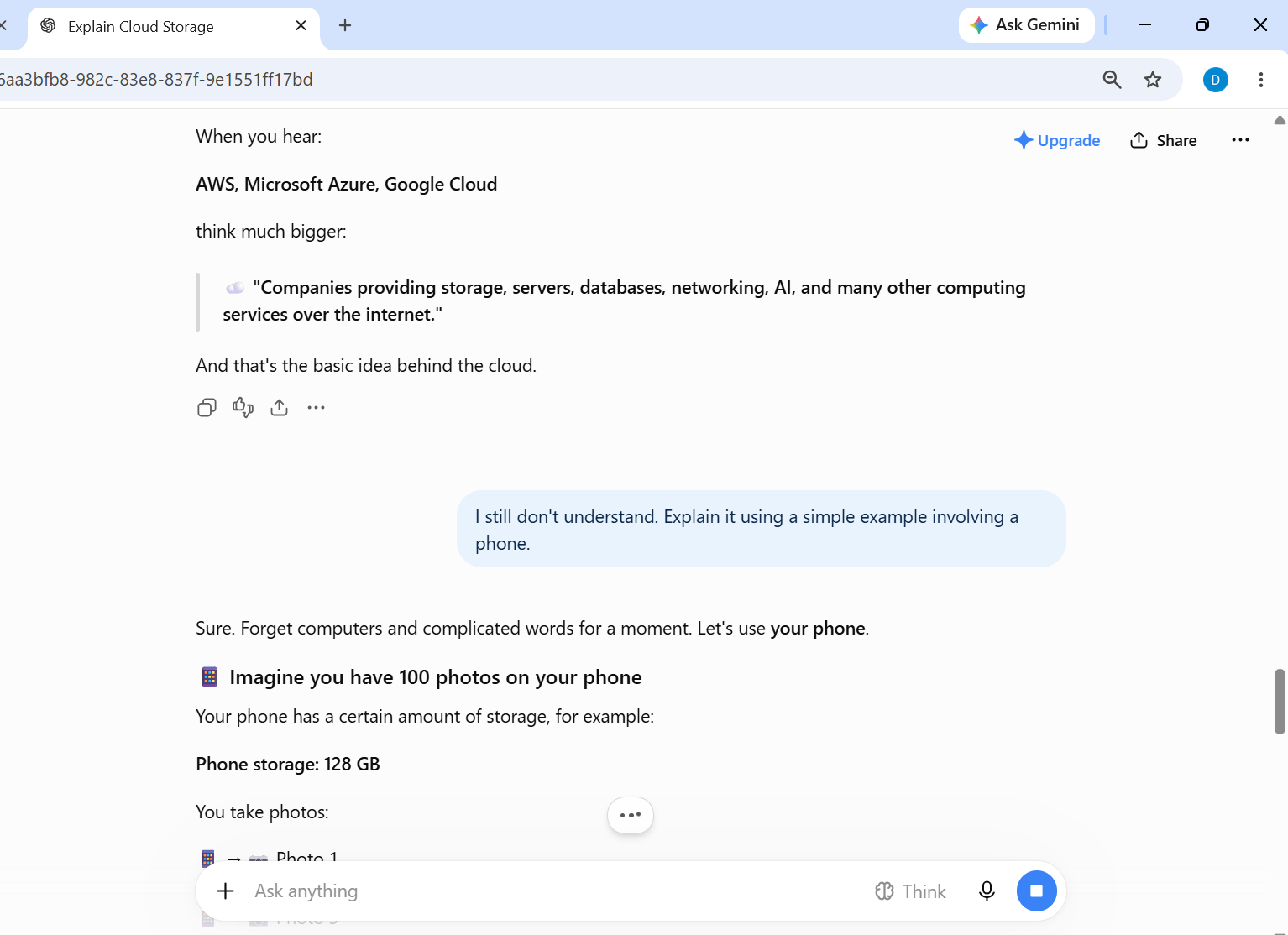
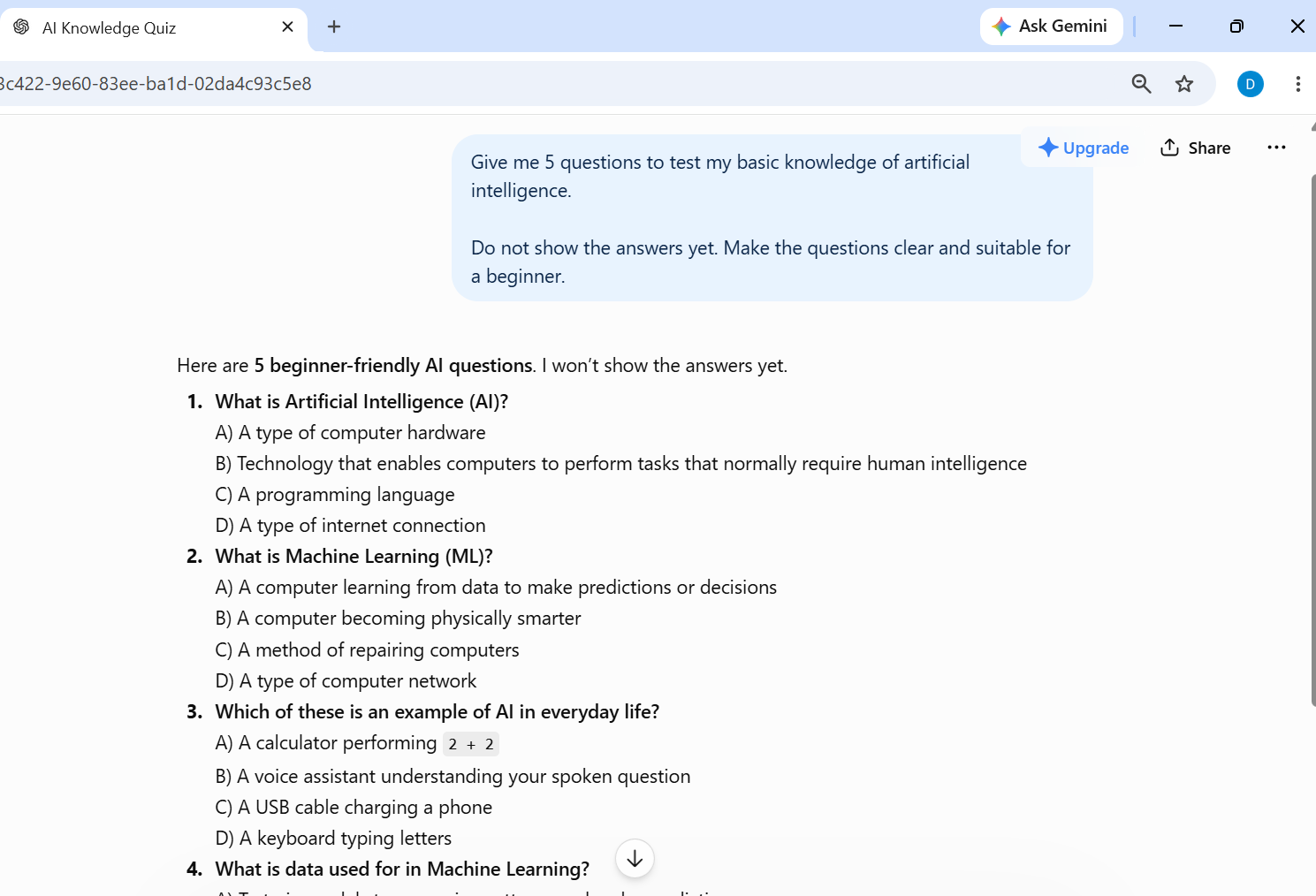
AI is also changing the way people learn. A student can ask an AI tool to explain a difficult concept in simpler language, create practice questions, provide examples, or break a large subject into smaller sections. Adults can use similar tools to learn software, languages, business concepts, programming, or other skills. The biggest advantage is flexibility. Instead of receiving exactly the same explanation as everyone else, learners can ask for another explanation when something does not make sense.

Many editing features that once required specialized software are now available through simple AI-powered tools. AI can remove unwanted objects, improve image quality, create captions, reduce background noise, enhance lighting, and help organize large photo collections. For casual users, this means they can make professional-looking improvements without spending hours learning complicated editing software. Creators can also use AI to speed up repetitive editing tasks and spend more time focusing on the creative side of their work.

AI is not only about convenience. It can also help protect users. Email providers, messaging platforms, banks, and security services use automated systems to identify suspicious patterns. These systems can detect characteristics associated with spam, phishing attempts, fraudulent transactions, and other forms of suspicious activity. This technology is particularly valuable because scams can appear at any time. However, AI detection is not perfect. Users should still be cautious about unexpected links, requests for passwords, payment demands, and urgent messages.

Smartphones and wearable devices can collect information about activity, sleep, heart rate, workouts, and other measurements.AI can analyze this information and turn raw numbers into understandable trends. For example, an app might show changes in activity levels or identify patterns in sleep data. These features can be useful for general awareness and lifestyle tracking, but they should not be treated as a substitute for professional medical advice.

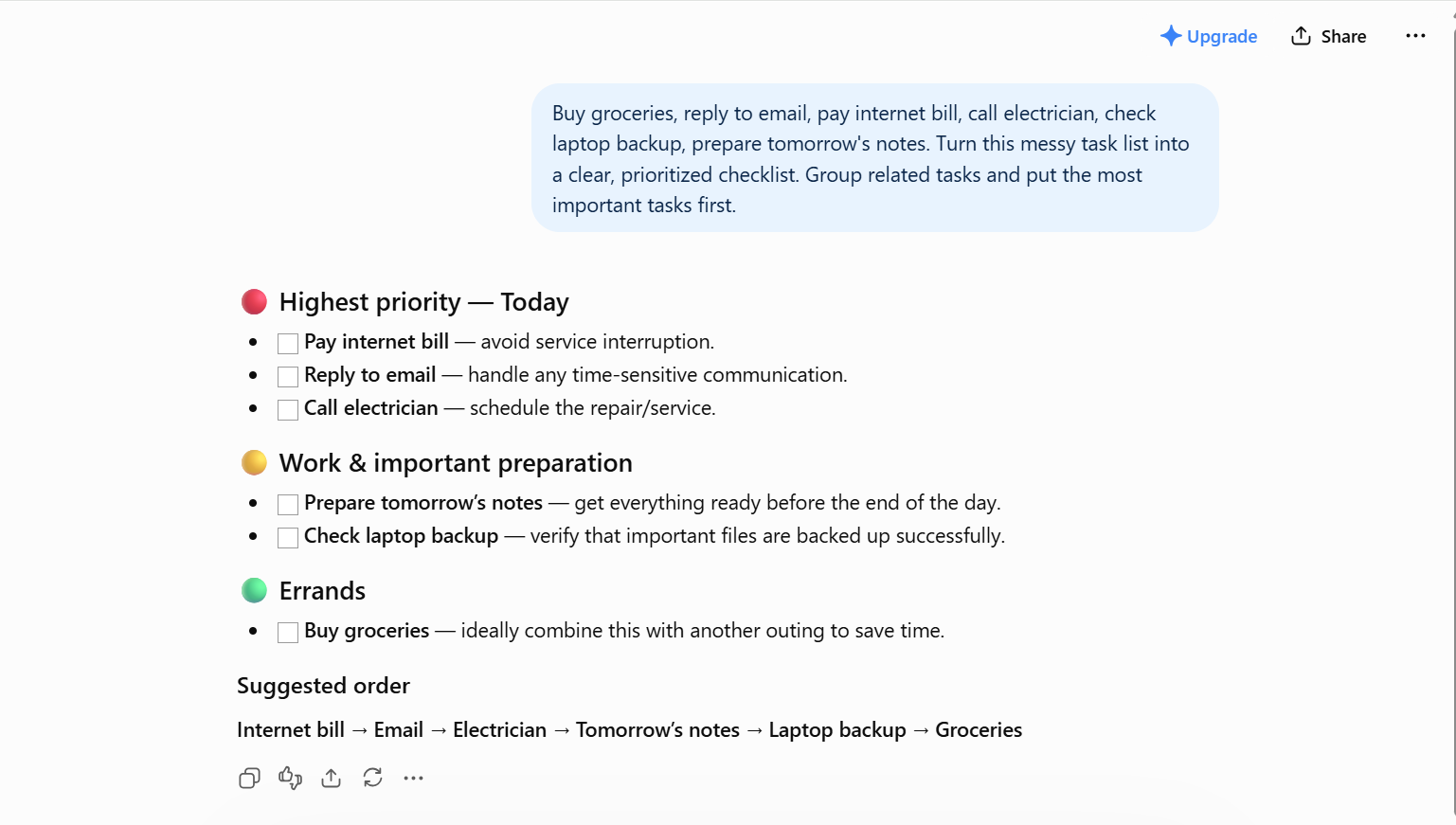
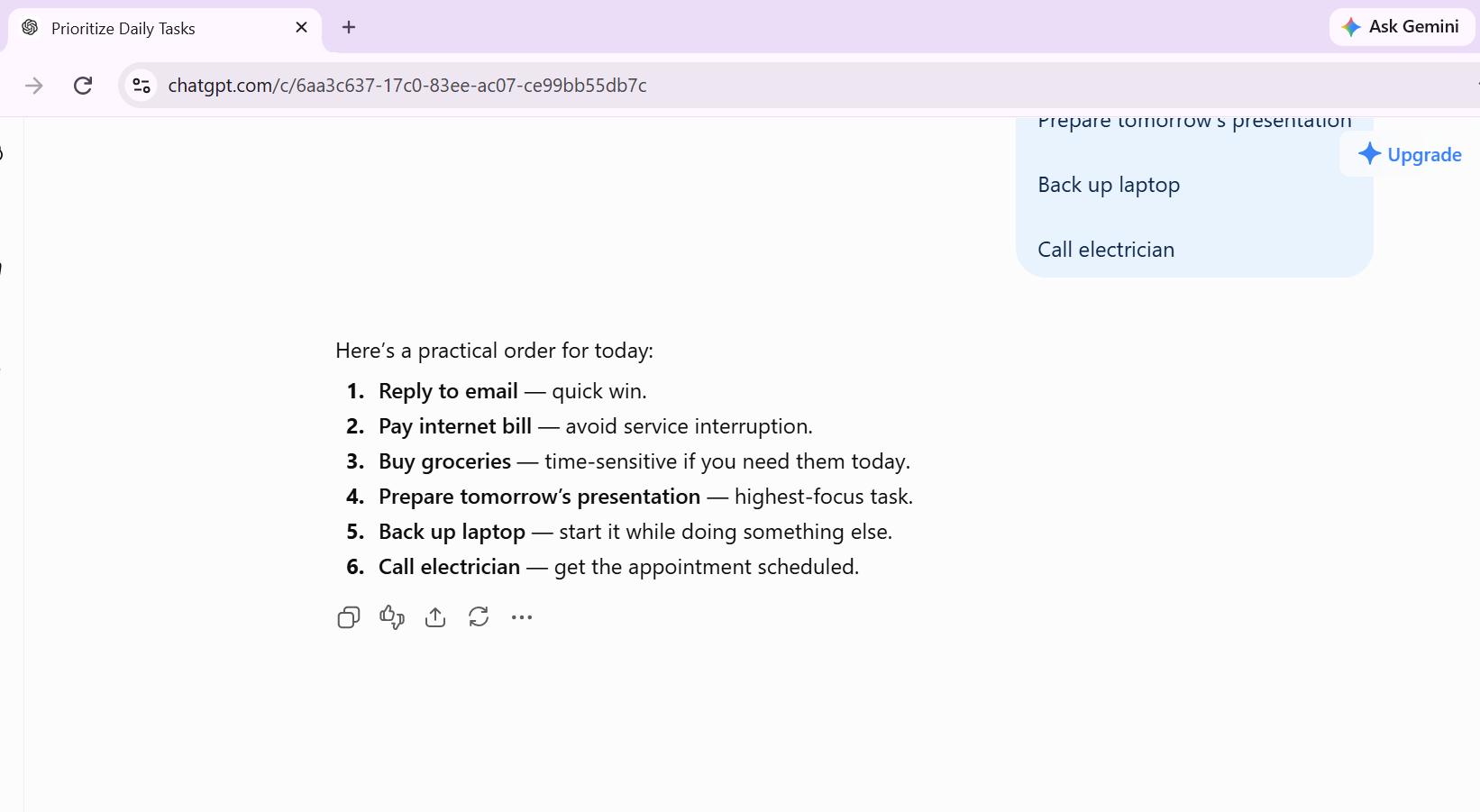
Perhaps the most valuable use of AI is simply reducing repetitive work. AI can help summarize long documents, organize notes, create shopping lists, sort information, draft routine messages, translate text, and answer common questions. Each task might only save a few minutes. But when those small savings happen repeatedly, the overall difference can be significant. The goal does not have to be using AI for everything. The smarter approach is to identify repetitive tasks where technology can genuinely make life easier.
AI is becoming useful not because it looks futuristic, but because it is increasingly practical. The most valuable AI features are often the ones people barely notice: a better route to work, a useful recommendation, a quicker email draft, a blocked scam message, or a simple explanation of something difficult. At the same time, AI should be used thoughtfully. Users should protect personal information, verify important facts, and avoid assuming that an AI-generated answer is automatically correct. The future of AI may involve much more advanced technology, but its everyday impact is already here. For most people, the best place to start is not with complicated AI systems. It is with the small tasks that consume time every day.
AI
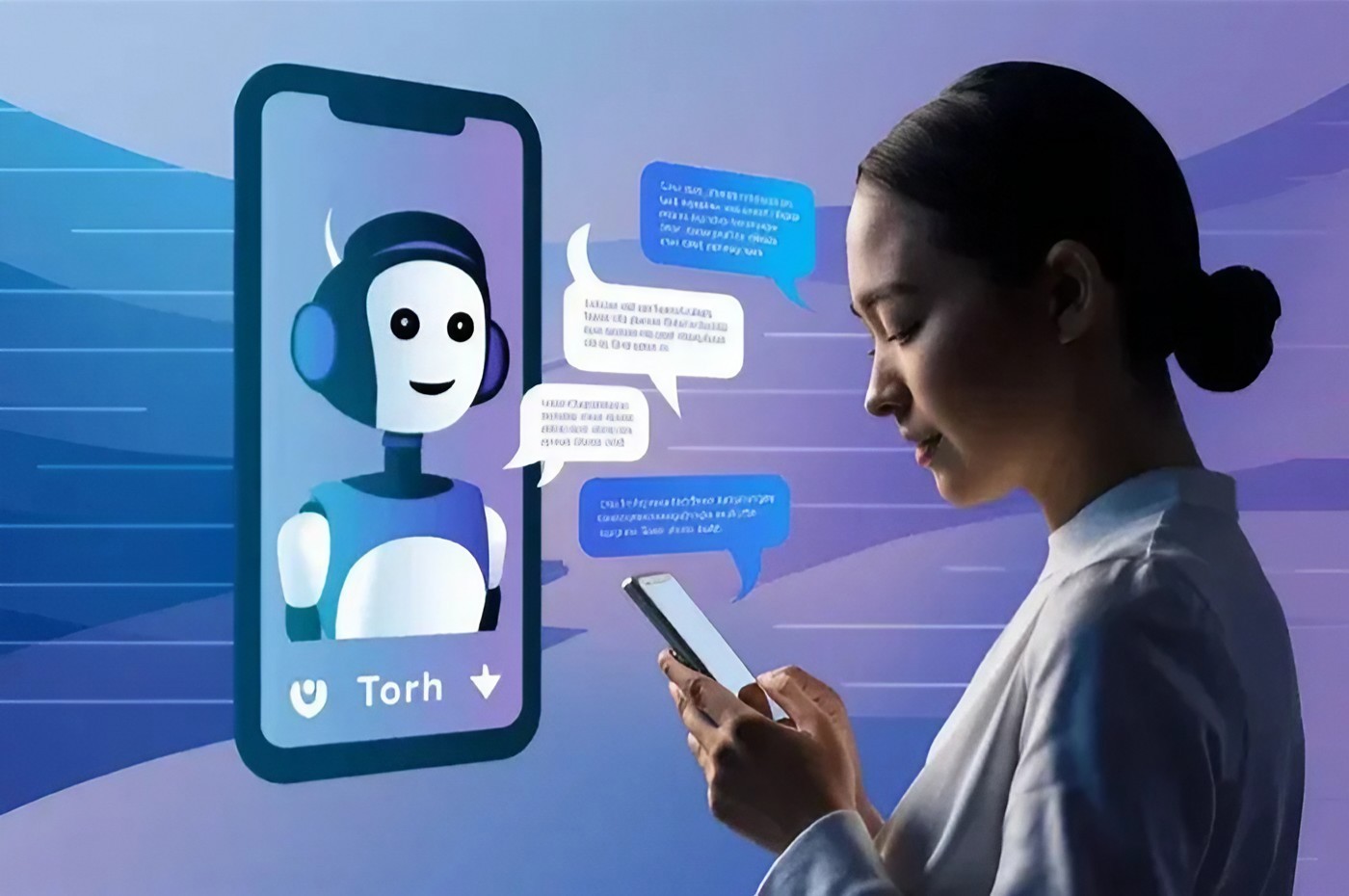
AI assistants are becoming better at remembering information from previous conversations. But what does AI memory actually mean, what can it remember, and what happens to the information you share?