AI Can Remember Your Conversations — What That Actually Means
AI assistants are becoming better at remembering information from previous conversations. But what does AI memory actually mean, what can it remember, and what happens to the information you share?
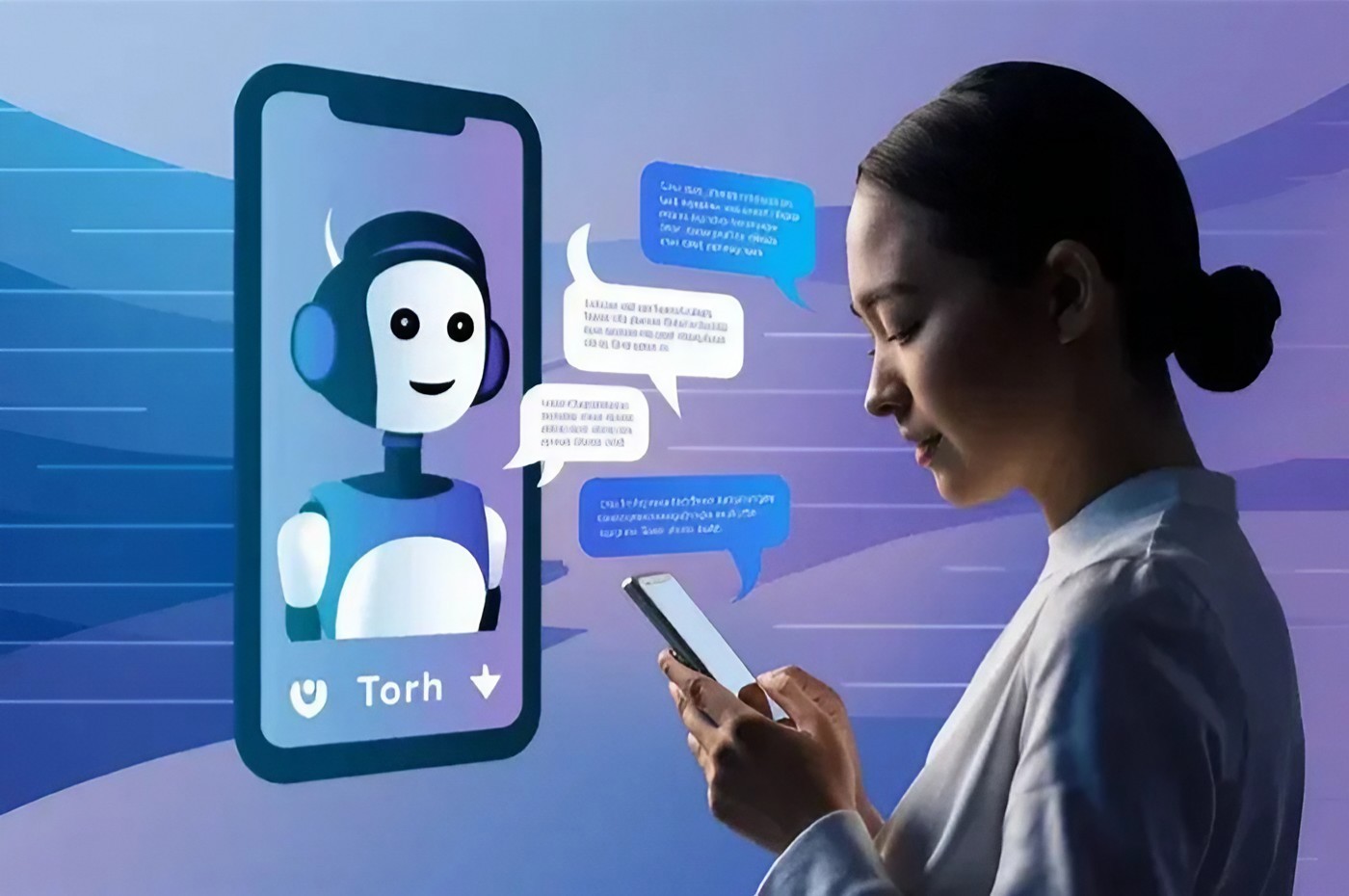
Imagine talking to an AI assistant today and telling it that you prefer simple explanations. A few days later, you ask it another question. Instead of starting from zero, the AI already understands how you like information presented.
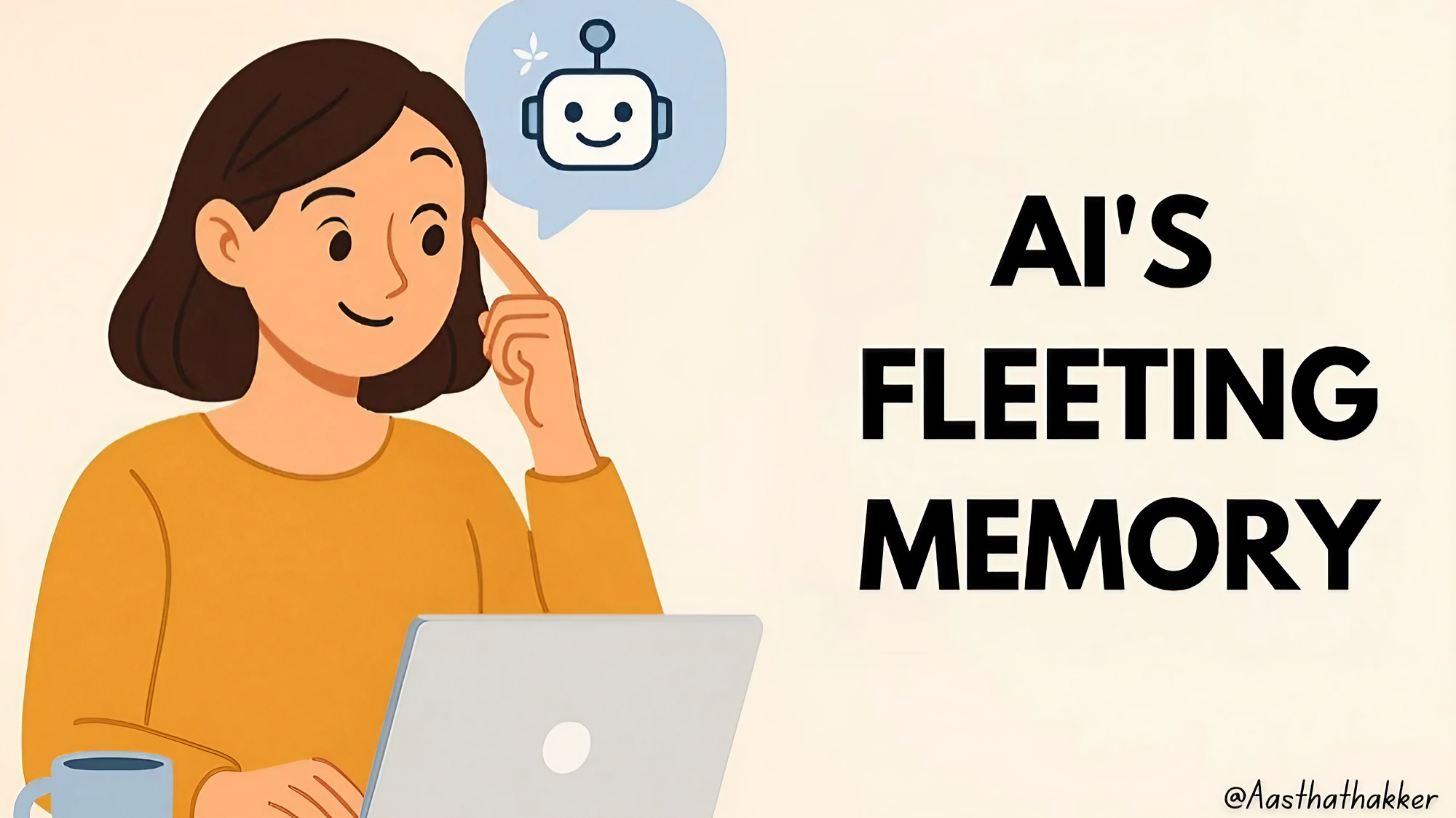
That can feel surprisingly human. But it raises an obvious question: How does an AI remember something you told it before? AI memory is becoming one of the most interesting changes in modern chatbots. Early AI conversations often felt like starting with a blank page every time you opened a new chat. Newer systems can sometimes use information from previous conversations or information saved as a preference.
That can make an AI assistant much more useful. But AI memory isn't the same thing as human memory. It doesn't mean the AI remembers every word you've ever written. And it doesn't mean it understands your life in exactly the same way a person does. Here's what AI memory actually means, why companies are adding it, and why you should still be careful about what you share.
What Does “AI Memory” Actually Mean?
AI memory is a way for an AI assistant to use information from previous interactions to make future conversations more useful. For example, you might tell an AI assistant that you run a technology website.
Later, when you ask it to help write an article, that information could help it understand what kind of response you need. Instead of treating every conversation as completely separate, the system can use selected information as context.
The important word is "selected." AI memory doesn't necessarily mean that every conversation is permanently stored as something the AI can freely remember. Different AI services use different systems and settings.
Some may save specific preferences. Some may use information from previous chats. Others may provide temporary conversation context without saving it as a long-term preference. So when an AI says it "remembers" something, the technical reality can be more complicated than the word suggests.
Why Are AI Companies Adding Memory?
The simple answer is convenience. Imagine having to explain yourself every time you speak to an assistant. You might need to repeatedly say what you do, what kind of writing you prefer, what tools you use or how detailed you want an answer to be. That becomes annoying very quickly. Memory can remove some of that repetition.
For example, a student could tell an AI assistant that they prefer explanations with simple examples. A programmer could tell it which programming language they normally use. A writer could explain the style they prefer. The next time they ask for help, the AI may be able to use that information. This turns an AI chatbot from something you ask individual questions to into something that can feel more like an ongoing assistant.
AI Memory Is Not the Same as Human Memory
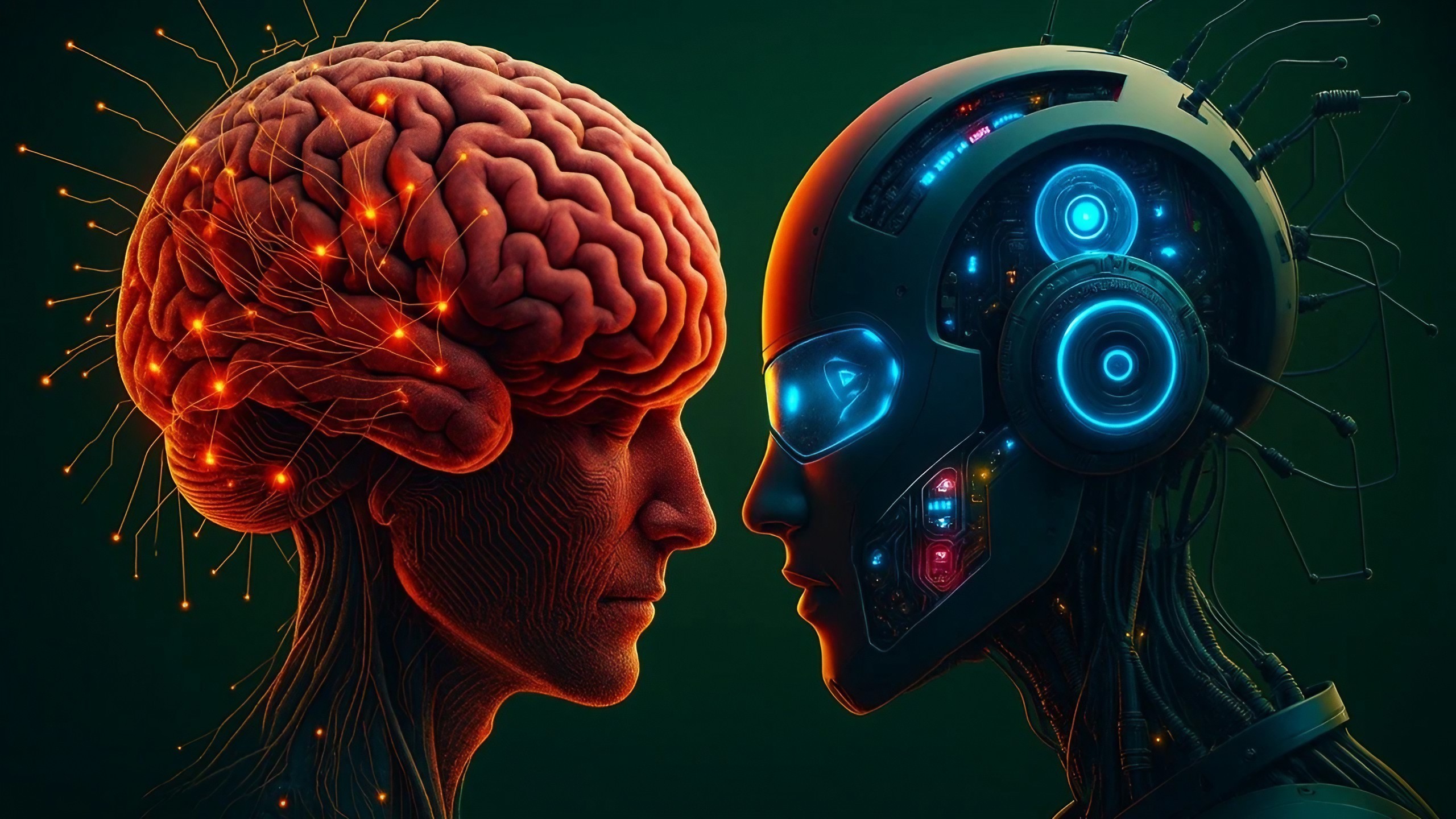
This is where many people get confused. When a person remembers something, the memory is connected to experiences, emotions, context and understanding. AI doesn't remember in exactly that human way. An AI system processes information using software and data. What looks like memory may involve storing selected information, retrieving relevant context or using previous conversation information when generating a response.
In other words, the AI isn't sitting somewhere thinking about your conversation while you're away. It is using information made available to it when generating a new response. That distinction matters because it helps explain both the usefulness and limitations of AI memory. The system can appear surprisingly personalized while still operating through software rules and data processing.
What Kind of Things Can an AI Remember?
Preferences, such as how you like answers written
General information you have deliberately shared
Work or project context
Repeated instructions
Communication preferences
Information that helps personalize future responses
The exact information an AI can remember depends on the service and its current features. This is why you shouldn't assume that every AI assistant has the same memory capabilities. Some systems may let you view, change or delete saved information.
Others may provide controls for turning memory-related features on or off. Before using an AI regularly, it is worth checking its privacy and memory settings so you understand what controls are available.
What Happens If the AI Remembers Something Wrong?
AI memory isn't perfect. An assistant could misunderstand information, use outdated information or make an incorrect assumption. For example, imagine you tell an AI that you're working on one project. Months later, that project is finished.
If the system continues using old information, its responses may become less useful. This is why memory should be treated as helpful context rather than absolute truth. If an AI uses incorrect information about you, check whether the service provides a way to view or remove the saved memory.
And if something is important, tell the AI the current information rather than assuming it will automatically know that something has changed.
Does AI Memory Create a Privacy Problem?
It can, depending on what you share and how the service handles information. The more personal information an AI assistant knows about you, the more personalized its responses can potentially become. But that also means you should think before sharing sensitive information.
Passwords, banking details, private identity documents, confidential business information and other highly sensitive data should not be casually entered into an AI chatbot. Even when a service provides privacy controls, the safest approach is to avoid sharing information that an AI assistant does not actually need to complete your task.
Convenience should not replace common sense. The fact that an AI can remember something doesn't mean it needs to know everything about you.
Can You Tell an AI to Forget Something?
Some AI services provide controls that allow users to manage saved memories. Depending on the service, you may be able to ask the assistant to forget a particular piece of information or manage saved information through its settings.
However, don't assume that asking an AI to forget something means every copy of the information has instantly disappeared from every system. Memory controls, conversation history and data-retention policies can be separate things.
The safest approach is to learn what controls your specific AI service provides. If you're using an AI assistant for work or sensitive information, understanding these controls is especially important.
How to Use AI Memory Safely
Check whether the AI service has memory features enabled.
Review what information the service can remember.
Avoid sharing passwords and highly sensitive personal information.
Correct outdated information when you notice it.
Delete saved information you no longer want the assistant to use.
Check privacy settings regularly because AI services can change their features over time.
Why AI Memory Could Change How We Use Chatbots
Memory could be one of the biggest changes in how people interact with AI. Without memory, an AI assistant is mostly a tool you open when you have a question. With useful memory, it can become part of an ongoing workflow. Imagine an AI that understands the project you're working on, knows how you prefer information presented and remembers the instructions you repeatedly give it.
You spend less time explaining and more time getting work done. That could make AI assistants considerably more useful for students, writers, developers, businesses and ordinary users. But the same feature that makes an AI more helpful can also make privacy more important. The future of AI isn't just about making models smarter. It's also about making them better at understanding context while giving users control over what is remembered.
The Bottom Line
AI memory sounds simple, but it represents a major change in how people interact with chatbots. Instead of explaining the same preferences and background information again and again, users can potentially have more continuous conversations. That can save time and make AI feel much more useful. But memory also comes with responsibility. You should know what your AI assistant can remember, understand what privacy controls are available and avoid sharing information that doesn't need to be there.
Most importantly, don't confuse AI memory with human memory. The AI isn't thinking about you when you're not talking to it. It is using available information and context to generate its next response. The technology is becoming more personalized, but you should still remain in control of what you share.
The smartest AI user isn't the person who tells an AI everything. It's the person who knows what information is actually useful to share.