ChatGPT Virtual Try-On: Is This Really the Future of Online Shopping?
ChatGPT can now create virtual try-on images for clothes and accessories. But can an AI image really tell you whether something will look good — or actually fit?
Online clothes shopping has always had one frustrating problem: you can see the product, but you cannot see yourself wearing it before you buy it. That is exactly the problem OpenAI is now trying to solve with ChatGPT's new virtual try-on feature.
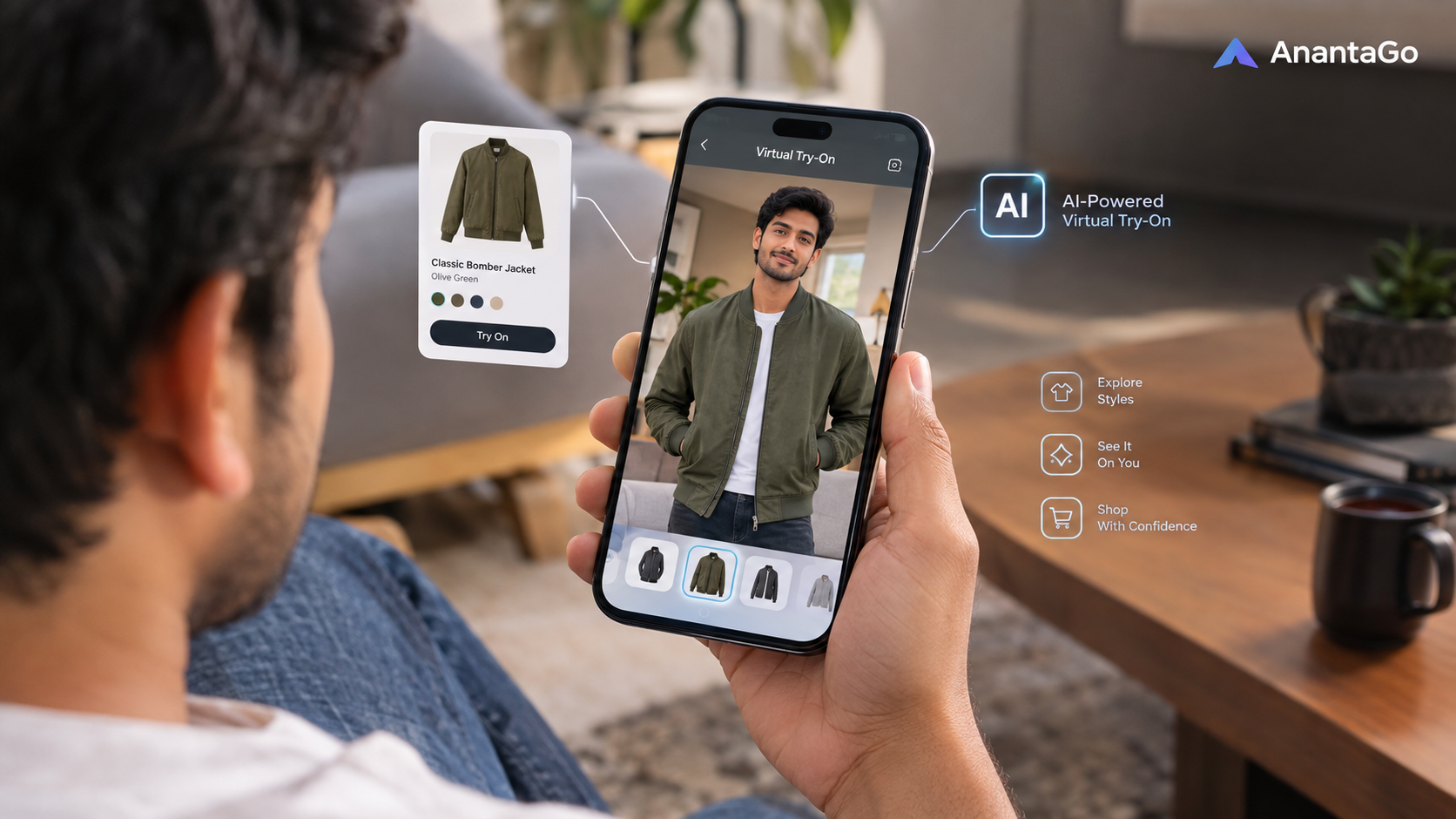
Since October 1, 2026, ChatGPT users can select eligible clothing or accessory products and use a Try on option to generate an image showing how the item could look on them. Users can also upload a picture of an item and ask ChatGPT to visualize it on them. The feature is available on ChatGPT's web and mobile apps.
At first, this sounds like the obvious future of online shopping. But there is an important difference between seeing yourself wearing something and knowing that it will actually fit. And that difference is what makes this feature interesting.
What is ChatGPT virtual try-on?
The idea is simple. You find a compatible clothing or accessory product through ChatGPT's shopping experience. If the product supports the feature, ChatGPT can show a Try on button. You then provide a selfie or another suitable photo, and ChatGPT generates a new image showing the item on you.
You can also take a different route.Instead of starting with a product ChatGPT found, you can upload a picture of clothing or an accessory and ask ChatGPT to show how it might look on you. This could be useful if you have a screenshot from an online store or an image of an item you are considering.
How does it actually work?
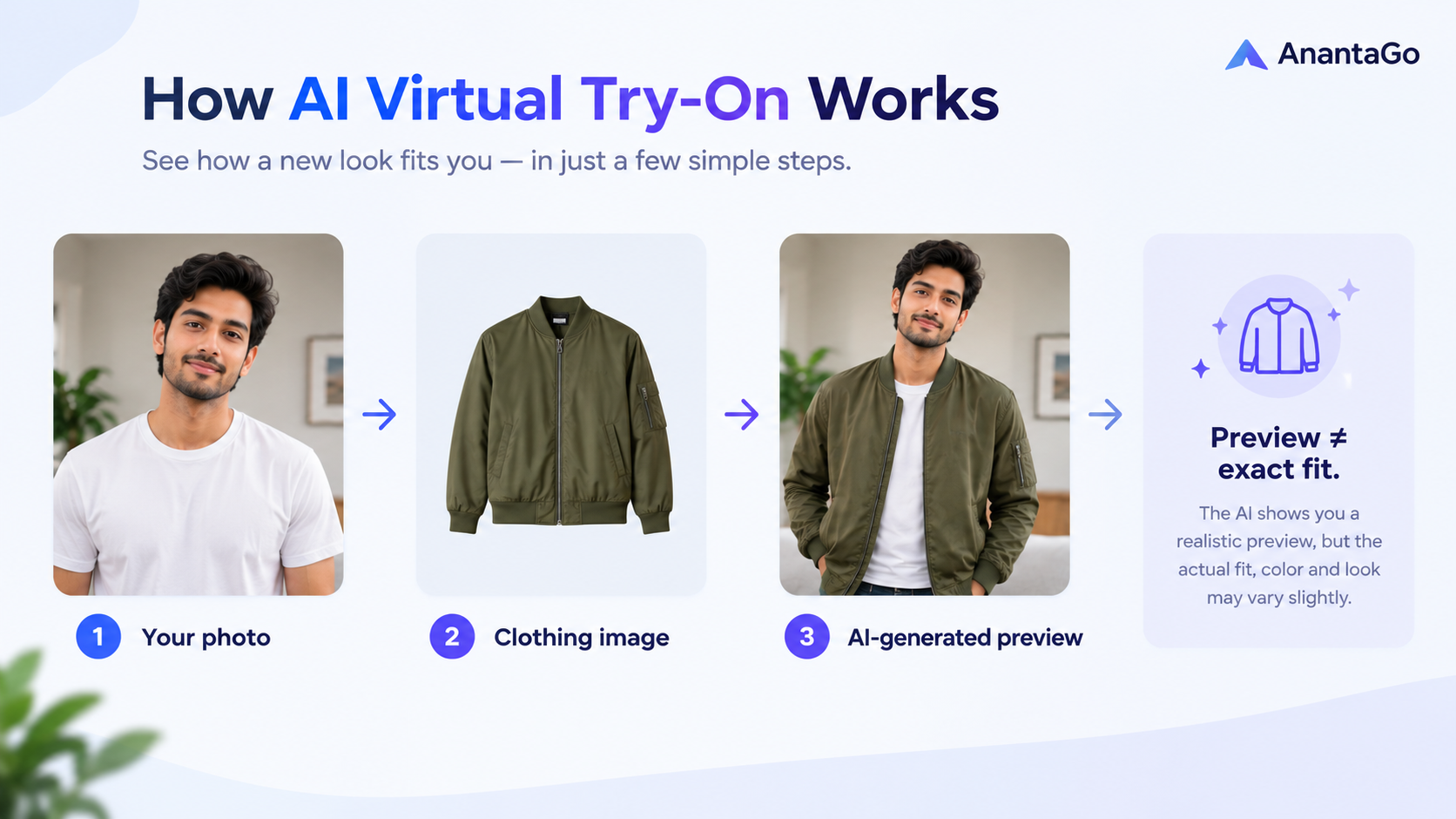
You can think of the process as three pieces coming together. First, ChatGPT needs a reference image of you. Second, it needs an image of the clothing or accessory. Third, its image generation system creates a new picture that combines the two. OpenAI says the shopping try-on experience uses ChatGPT Images, and its October release notes identify the feature as part of the new shopping tools introduced on October 1.
The result can look surprisingly convincing because the system is generating a new image rather than simply placing a flat product photograph over your body. But that realism can also create a problem.
A realistic image can make something look more certain than it really is. If an AI-generated picture shows a jacket sitting perfectly on your shoulders, that does not prove the real jacket will sit the same way. The image is useful for visualizing an outfit. It is not a replacement for the manufacturer's measurements.
The biggest thing ChatGPT's virtual try-on cannot tell you
This is where I think shoppers need to be careful. Imagine you are buying a shirt. The AI preview may show you wearing the shirt and give you a much better idea of the colour, style and overall appearance than a product photograph on a model.
But several questions remain unanswered.
Will the sleeves be too long?
Will the shoulders fit?
Will the material stretch?
Will the shirt feel comfortable?
Will the actual colour look the same under your room lighting?
Will the manufacturer's sizing run small or large?
A generated picture cannot reliably answer all of those questions.
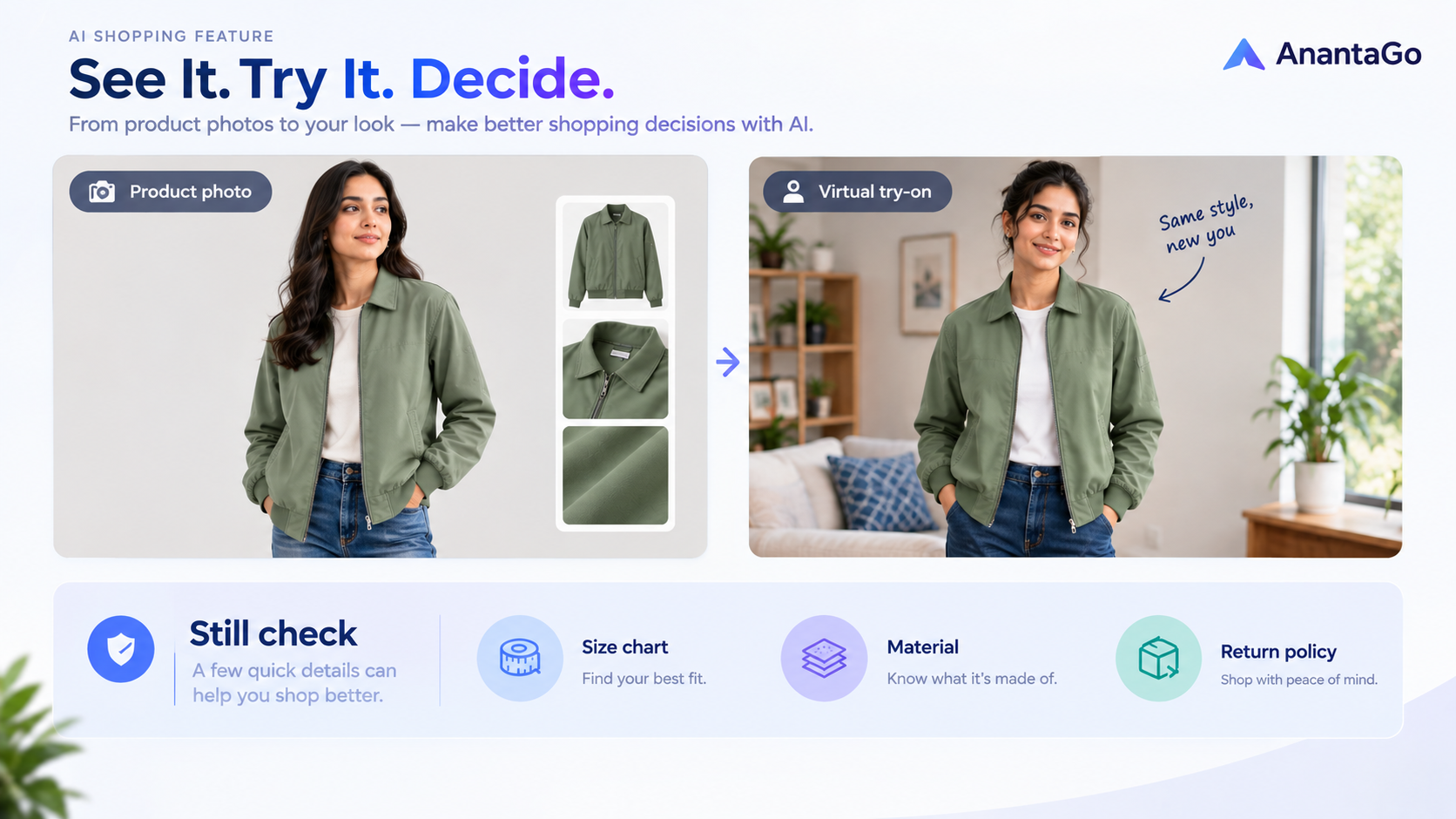
OpenAI specifically warns that virtual try-on images may not exactly represent the product or your appearance and do not guarantee fit or size. It recommends checking the merchant's measurements, product information and return policy before buying. That limitation is not a small footnote. It is probably the most important thing to understand about the feature.
So what is virtual try-on actually good for?
I think the feature makes the most sense when you use it as a visual decision-making tool, not as a digital measuring tape. For example, suppose you are choosing between a black jacket and a brown jacket. A normal product page may show both jackets on models. A virtual try-on can answer a more personal question:
“Which one looks better with my appearance and the clothes I normally wear?” That is genuinely useful. The same applies to accessories. You may want to know whether a particular style of sunglasses, bag or other accessory works with an outfit before spending money on it.
In these situations, the technology can reduce uncertainty. But if you are deciding between two different sizes, you should still use the store's size chart and measurements.
Is this better than looking at a model wearing the clothes?
For some shoppers, yes. A model photograph answers: “What does this product look like on someone?” A virtual try-on attempts to answer: “What could this product look like on me?” That is a meaningful difference. However, I would not say that virtual try-on completely replaces model photographs.
A model photograph can still show important details such as the actual shape of the garment, how the fabric falls and how it looks in a real photographed environment. The best shopping experience may eventually combine both: real product photography + measurements + customer reviews + virtual try-on.
That combination gives shoppers more information instead of relying on one AI-generated picture.
What happens to your photo?
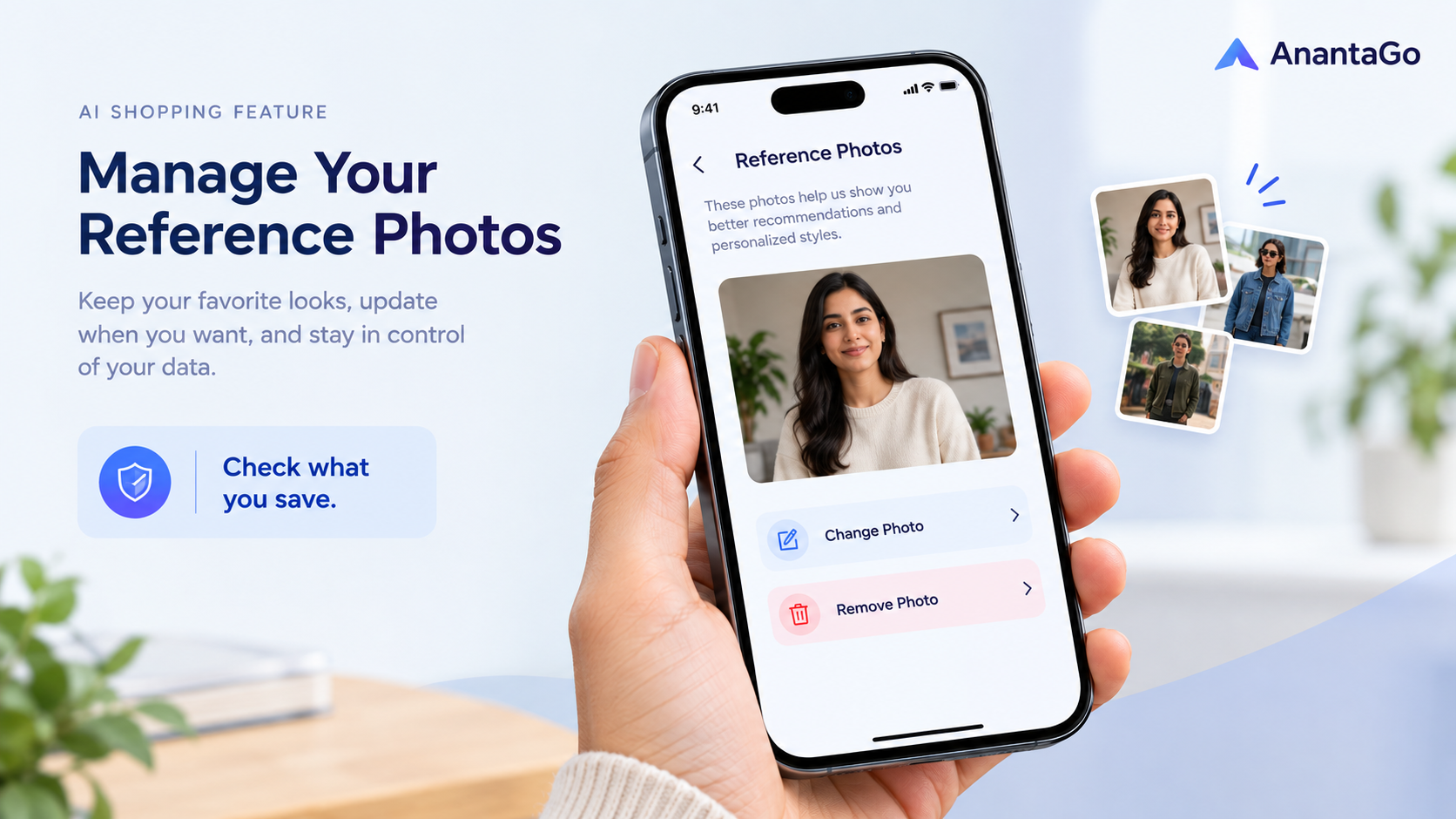
There is another part of this feature that deserves attention: your reference photo. OpenAI says reference photos used for future try-ons are saved and can be managed in Settings → Personalization → Reference photos. Users can change or remove them.
That means your photo is not simply something you use once and forget about. If you are uncomfortable keeping a reference image saved, check these settings and remove it when you no longer want it stored for future try-ons.
This is a good example of something that is easy to overlook when a new AI feature looks exciting. Before using an AI feature involving your own photos, it is worth checking what is saved, where you can manage it and what information you are providing.
Does this mean online shopping is about to change?
I think it probably will — but not in the way some headlines suggest. I don't think virtual try-on means physical stores suddenly become unnecessary. Instead, it could make the first stage of online shopping much more personal.
Today, you might search for: “black casual jacket” Soon, the experience could become closer to: “Find me a black casual jacket that works with the clothes I already wear, show me how the best options might look on me, compare their prices and tell me which ones have a reasonable return policy.”
That is a much bigger change. The AI is no longer simply helping you find a product. It is helping you visualize, compare and decide. OpenAI is already adding other shopping features around this experience, including Favorites for saving products in a ChatGPT Library.
That suggests virtual try-on is not an isolated image feature. It is part of a broader attempt to make ChatGPT a place where people discover and evaluate products.
But I wouldn't trust the picture blindly
This is my biggest takeaway from the feature. The better the generated image looks, the easier it becomes to forget that it is still generated. A convincing picture can create the feeling that you have already tried the product.
You haven't. You have seen a simulation of what it could look like. That distinction matters when money is involved. For a low-cost shirt, the risk may be small. For an expensive jacket, shoes, designer item or anything with complicated sizing, I would still check the original product page, measurements, material information, customer reviews and return conditions before purchasing.
My verdict: Is ChatGPT virtual try-on the future?
Yes, but I don't think virtual try-on itself is the entire future of online shopping. The more interesting future is an AI shopping assistant that understands what you want, finds products, compares them, visualizes them on you and helps you make a decision.
Virtual try-on solves one piece of that puzzle. And it is a useful piece. For me, the biggest benefit isn't that ChatGPT can create a cool picture of you wearing a jacket. It is that shopping can become less dependent on imagining what a product might look like on someone completely different from you.
But shoppers should keep one rule in mind: A virtual image can help you decide whether you like the look. A size chart, product information and return policy still help you decide whether you should buy it. That is where the technology is genuinely useful today.
Helpful answers
Frequently Asked Questions
Can ChatGPT really let me try on clothes?+
Yes. ChatGPT now has a Try On feature for eligible clothing and accessory listings. You can provide a selfie and ChatGPT generates a virtual try-on image. You can also upload an image of clothing and ask ChatGPT to visualize it on you.
Does ChatGPT virtual try-on guarantee the right size?+
No. OpenAI specifically says the generated image does not guarantee fit or size. You should still check the seller's measurements and product information.
Can I upload my own clothes?+
Yes. OpenAI says users can upload a picture of clothing or accessories in a conversation and ask ChatGPT to show how they could look on them.
Can I remove my reference photo?+
Yes. OpenAI says saved reference photos can be changed or removed through Settings → Personalization → Reference photos.
Is ChatGPT virtual try-on available on mobile?+
OpenAI's release notes say the shopping features are available on both mobile and web. Availability of particular shopping results or products can vary.