ChatGPT vs Gemini: Which AI Is Actually Better in 2026?
ChatGPT and Gemini have become two of the biggest names in consumer AI. But which one is actually better for everyday users in 2026? We compare where each AI shines, where it struggles and which one may be right for you.
If you use AI regularly, you've probably come across two names again and again: ChatGPT and Gemini. Both can answer questions, write text, summarize information, help with ideas and assist with everyday tasks. Both have also grown far beyond the simple chatbot experience that made AI popular in the first place.
That creates a very practical question. If you only want to use one AI assistant, which one should you choose? The answer isn't as simple as saying one is "smarter." An AI can be excellent at writing but less useful for research. Another can be convenient because it connects closely with the services you already use.
So instead of comparing a giant list of technical specifications, this AnantaGo comparison looks at the question from a normal user's perspective: Which one is actually more useful? And more importantly, does the difference matter enough for you to switch?
ChatGPT and Gemini Are Built for Different Ecosystems
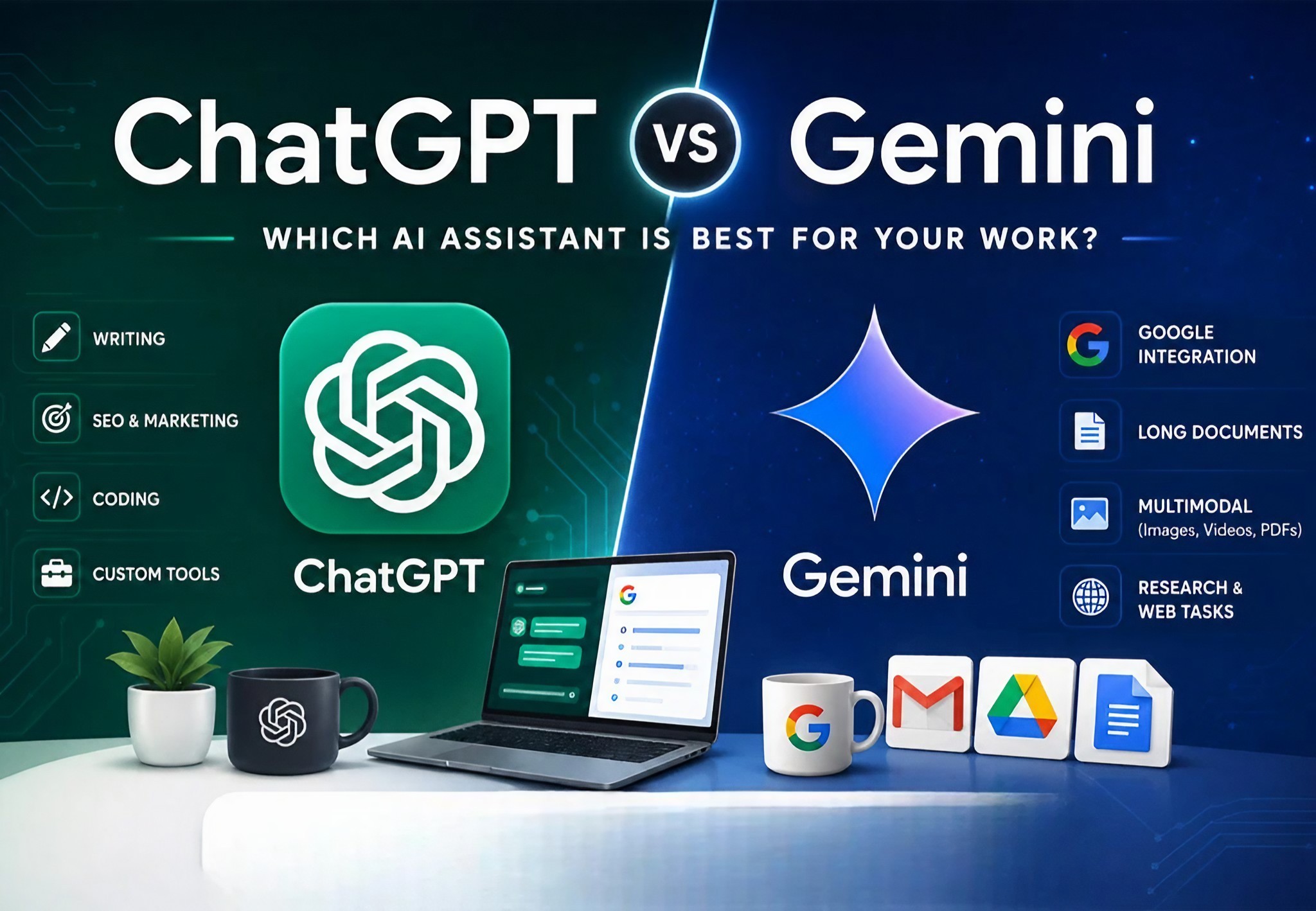
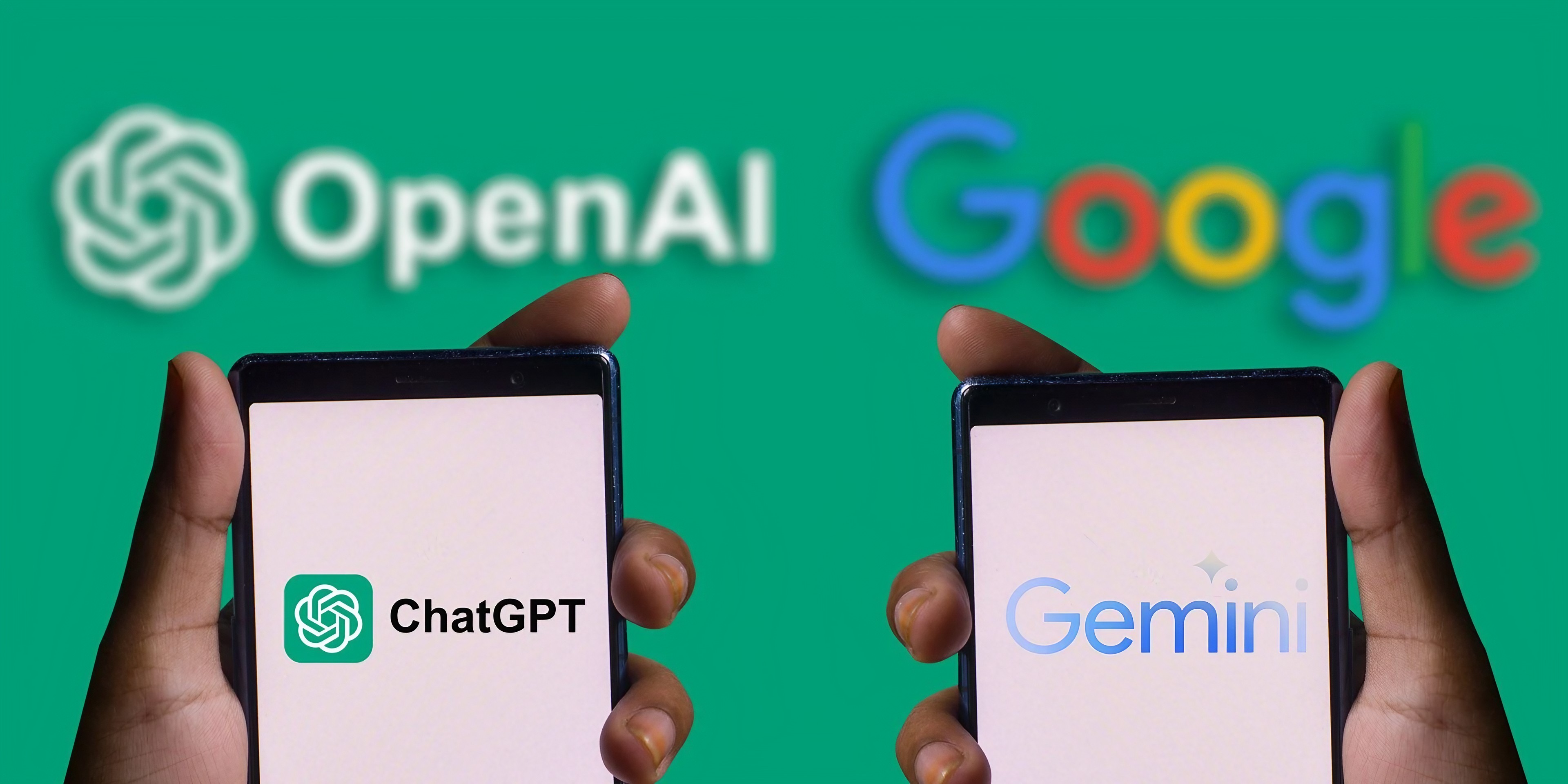
At first glance, ChatGPT and Gemini seem almost identical. You open an app or website, type a question and receive an answer. But the companies behind them have built their AI assistants around somewhat different ecosystems. ChatGPT comes from OpenAI and has developed into a broad AI platform with conversations, reasoning, image capabilities, file analysis, custom assistants and other tools.
Gemini comes from Google and has an obvious advantage for people already deeply invested in Google's ecosystem. That includes services such as Gmail, Google Drive, Docs and other Google products. This difference matters more than the chatbot interface itself.
If your daily life already revolves around Google services, an AI that works naturally alongside that ecosystem can be extremely convenient. If you want a more general-purpose AI workspace, ChatGPT may feel more natural. So the first question isn't "Which AI is smarter?" It's "Which AI fits the way I already work?"
Which One Is Better for Writing?
For writing, there isn't a universal winner. Both can help with emails, articles, summaries, ideas, rewriting and brainstorming. The bigger difference is how you use them. Suppose you want to write a professional email. Both can create a draft quickly.
But if your first result doesn't sound like you, the quality of the conversation becomes important. You need an AI that responds well when you say things such as "make this less formal," "remove the unnecessary sentences" or "make it sound like a real person."
This is where your personal preference matters. Some users prefer ChatGPT's conversational style and editing workflow. Others may prefer Gemini's integration with Google's services. For AnantaGo-style work, however, neither should simply be treated as a machine that produces a finished article.
The strongest workflow is to use AI for research assistance, brainstorming, structure and editing while adding your own judgment, examples and original perspective. That's especially important if you're trying to build a publication rather than simply fill pages with generated text.
What About Research?
Research is where things become more complicated. AI can save enormous amounts of time when you're trying to understand a topic. Instead of opening ten pages and trying to understand them individually, you can ask an AI to explain a subject in simple language and then use that explanation as a starting point.
But there's a major warning. Neither ChatGPT nor Gemini should automatically be treated as a perfect source of truth. AI systems can make mistakes. They can misunderstand questions.
They can provide outdated information. They can also present an incorrect answer confidently. For current subjects such as product launches, prices, software features, laws or breaking news, checking reliable sources is still essential. In other words, AI is excellent at helping you research. It isn't an excuse to stop researching.
Which One Is Better for Everyday Questions?
For simple everyday questions, the difference can be surprisingly small. Ask either assistant to explain a difficult technology term, create a shopping checklist, brainstorm dinner ideas or help you understand a complicated subject, and both can be useful.
This is why online arguments about which AI is "better" can sometimes miss the point. If both tools solve your actual problem, a small difference in benchmark performance may not matter. Convenience can matter more.
The AI that is already on the device you use, works with the services you already have and understands the kind of tasks you regularly perform may be the better choice for you. That's a very different definition of "best."
Where Gemini Has a Major Advantage
Gemini's biggest practical advantage is its connection to Google's wider ecosystem. For someone who spends the day inside Gmail, Google Docs, Drive, Calendar and other Google services, having AI capabilities connected to that environment can reduce the need to constantly move information between different applications.
That can be particularly useful for work and study. Imagine receiving a long email, working on a document and needing to organize information from several sources. The value isn't simply that Gemini can answer a question. The value is being closer to where your information already lives.
Of course, exactly which integrations and features you have can depend on your account, device, subscription and region. So don't assume every Gemini feature is available to every user.
Where ChatGPT Can Be the Better Choice
ChatGPT can make more sense if you want an AI environment that feels independent from a particular productivity ecosystem. Its appeal is the breadth of the platform and the range of ways users can interact with it. You can use it for brainstorming, writing, coding, learning, analyzing information and many other tasks.
For people who treat AI as a general-purpose workspace rather than an extension of one company's collection of apps, that flexibility can be attractive. Again, the important point is that there isn't one winner for everyone.The best tool depends heavily on what you actually do.
ChatGPT vs Gemini: Quick Comparison
What you want
Better starting point
General AI workspace
ChatGPT
Google ecosystem integration
Gemini
Brainstorming and writing
Either
Understanding difficult topics
Either
Google productivity workflows
Gemini
General-purpose experimentation
ChatGPT
The Biggest Mistake People Make
So, which one wins? For most people, there isn't a dramatic enough difference to say that one completely destroys the other. If you are heavily invested in Google's ecosystem, Gemini deserves a serious look.
If you want a broad, general-purpose AI workspace, ChatGPT is an obvious option. But here's our bigger takeaway: Don't choose an AI because somebody on social media says it is the smartest. Choose it because it makes your actual life easier.
Give both tools the same real-world tasks. Ask them to explain something you don't understand. Give them a writing problem. Ask them to organize information. Try them with the kind of work you actually do. Then judge the results yourself. The best AI isn't necessarily the one that wins an internet argument. It's the one you find yourself opening tomorrow because it genuinely saved you time today.
Our AnantaGo Verdict
So, which one wins? For most people, there isn't a dramatic enough difference to say that one completely destroys the other. If you are heavily invested in Google's ecosystem, Gemini deserves a serious look. If you want a broad, general-purpose AI workspace, ChatGPT is an obvious option.
But here's our bigger takeaway: Don't choose an AI because somebody on social media says it is the smartest. Choose it because it makes your actual life easier. Give both tools the same real-world tasks. Ask them to explain something you don't understand. Give them a writing problem. Ask them to organize information. Try them with the kind of work you actually do.
Then judge the results yourself. The best AI isn't necessarily the one that wins an internet argument. It's the one you find yourself opening tomorrow because it genuinely saved you time today.
Helpful answers
Frequently Asked Questions
Which is better, ChatGPT or Gemini in 2026?+
There is no universal winner. ChatGPT can be a strong general-purpose AI workspace, while Gemini can be especially useful for people who rely heavily on Google's ecosystem. The better choice depends on your needs.
Is Gemini better than ChatGPT for Google apps?+
Gemini has a natural advantage because it is built by Google and can integrate with Google's ecosystem. The exact features available depend on your account, device, plan and region.
Can ChatGPT and Gemini make mistakes?+
Yes. Both AI systems can produce incorrect or misleading information. Important claims should be checked against reliable sources, especially for current or high-stakes information.
Which AI is better for writing?+
Both can be useful for writing, rewriting, brainstorming and editing. Personal preference matters because different users may prefer the writing style and workflow of one system over the other.
Should I use both ChatGPT and Gemini?+
You can. Using both can be useful when you want to compare answers or use different strengths. However, most people don't need multiple AI tools for every task.
Can AI completely replace Google Search?+
AI can be useful for understanding and summarizing information, but traditional search remains valuable for finding original sources, current information, websites and specific pages.