Apple Just Announced Its Next iPhone Event — Here’s What to Expect
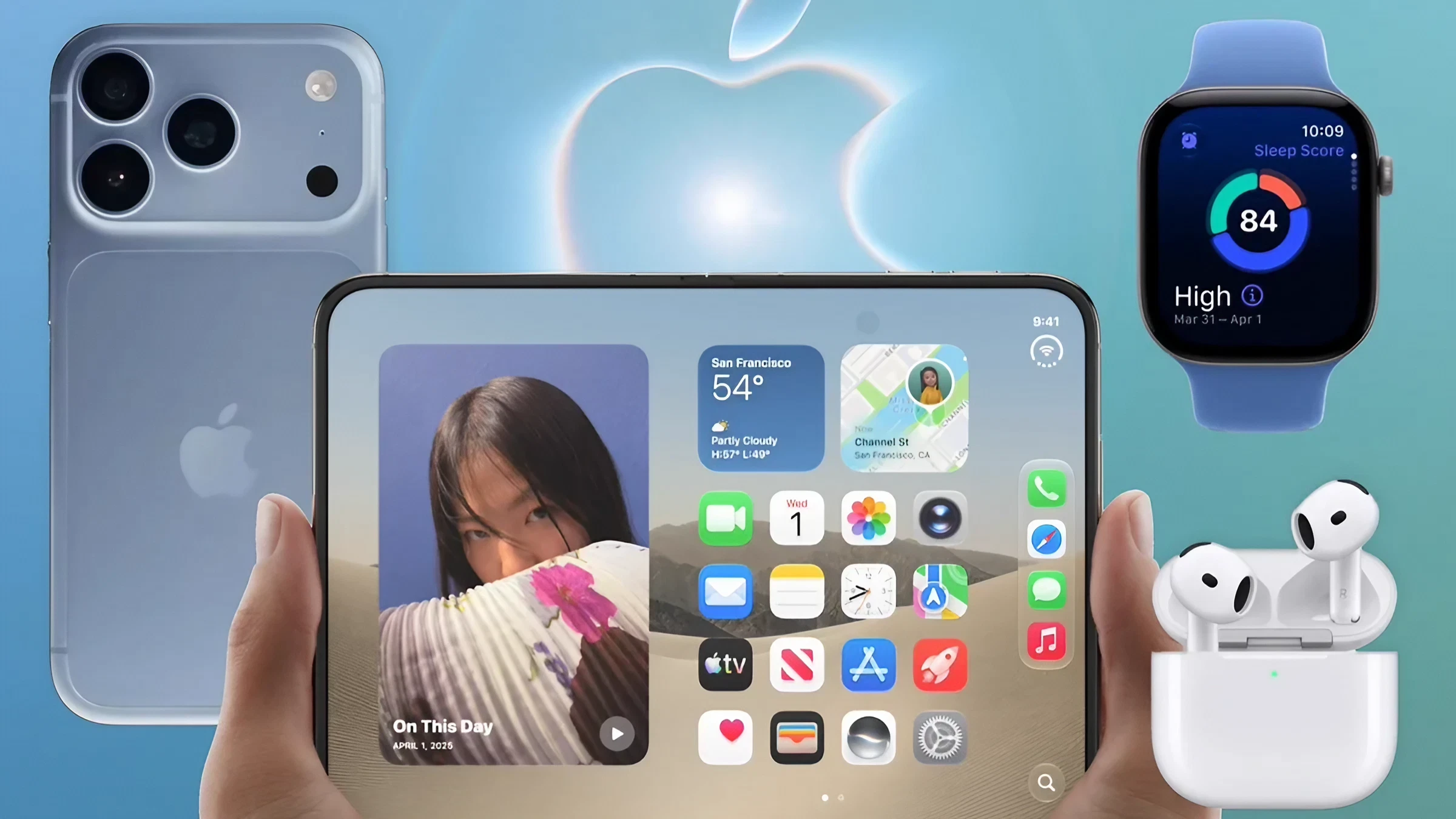
Apple has officially announced its next major iPhone event for September 9. Here’s what Apple has confirmed, what the company is expected to announce and why this year's iPhone launch could be different.
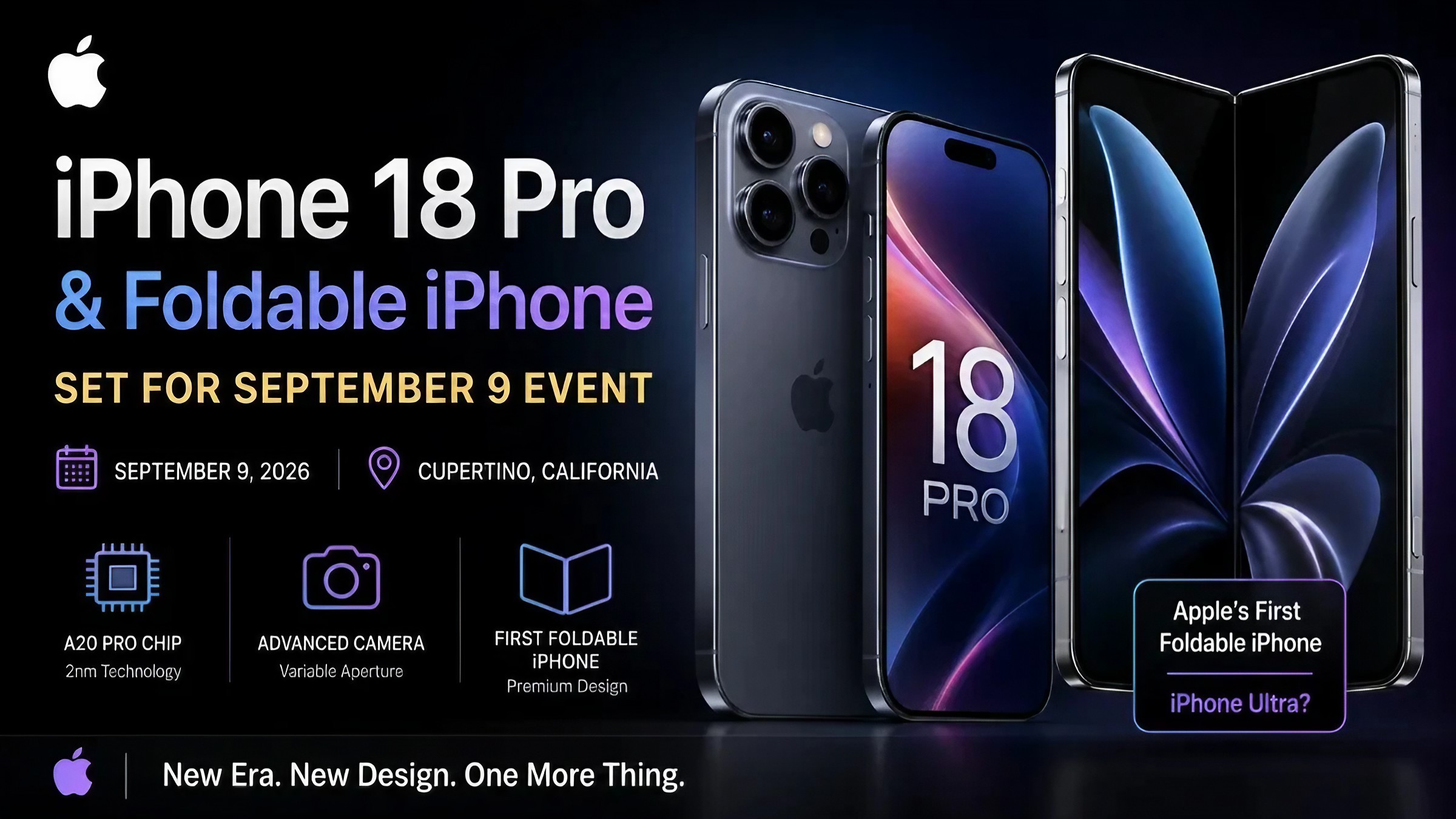
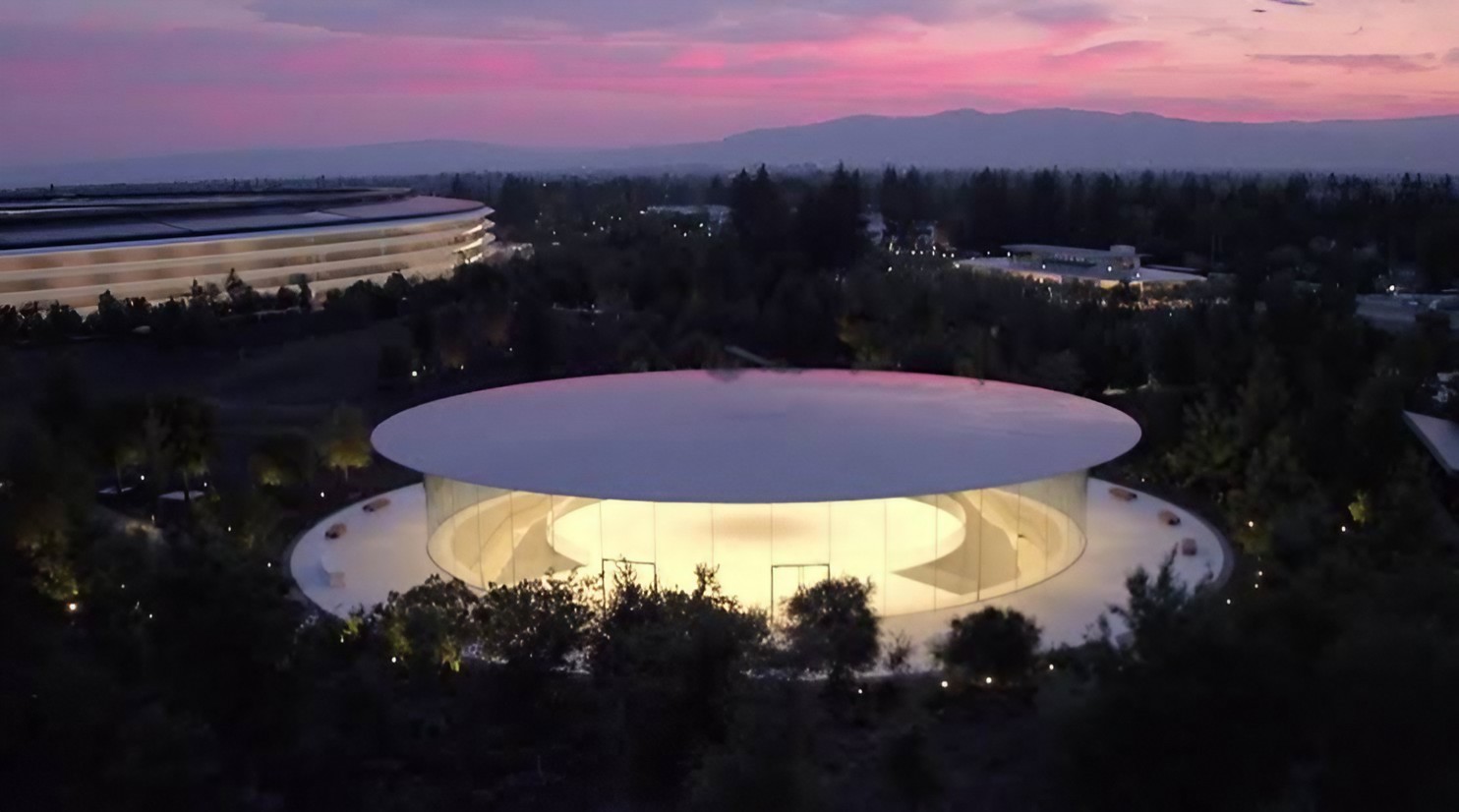
The wait for Apple's next iPhone is almost over. Apple has officially announced that it will hold a major product event on September 9, 2026. The event will take place at Apple Park and will be the company's first major iPhone launch event under incoming CEO John Ternus.
For millions of smartphone users, the event matters for an obvious reason: it is expected to introduce Apple's next generation of iPhones. But this year's launch could be more interesting than a normal yearly upgrade. Apple is widely expected to enter the foldable-phone market with its first foldable iPhone.
Reuters and other reports say the device could become one of the most important products announced at the event, although Apple has not confirmed those details yet. So what should you actually expect? Let's separate the confirmed information from the rumors.
Apple Has Confirmed the Date
The most important fact is simple: Apple has officially scheduled its next major product event for September 9, 2026. The event is scheduled to take place at the Steve Jobs Theater at Apple Park. Apple's September events traditionally focus on new iPhone models, although the company often introduces other products and software updates at the same time.
This year's event is attracting extra attention because it comes during a major change in Apple's leadership. John Ternus is expected to become Apple's CEO on September 1, replacing Tim Cook as CEO while Cook moves into the role of executive chairman. That makes this more than just another iPhone launch. It will also be an important moment for Apple's next phase.
The iPhone 18 Series Is Expected
Apple has not yet publicly listed every product it will announce at the event. However, the company's September launch is expected to focus on its next iPhone generation. Reports point toward new iPhone 18 models, including upgraded Pro versions.
For most buyers, the important question won't simply be whether the new phones are faster. People will want to know whether the new models offer meaningful improvements to cameras, battery life, display quality, performance and everyday features.
That's because yearly smartphone upgrades have become more incremental. A phone from two or three years ago can still perform many everyday tasks extremely well. Apple therefore needs to make the new generation feel useful rather than simply new.
The Biggest Story Could Be a Foldable iPhone
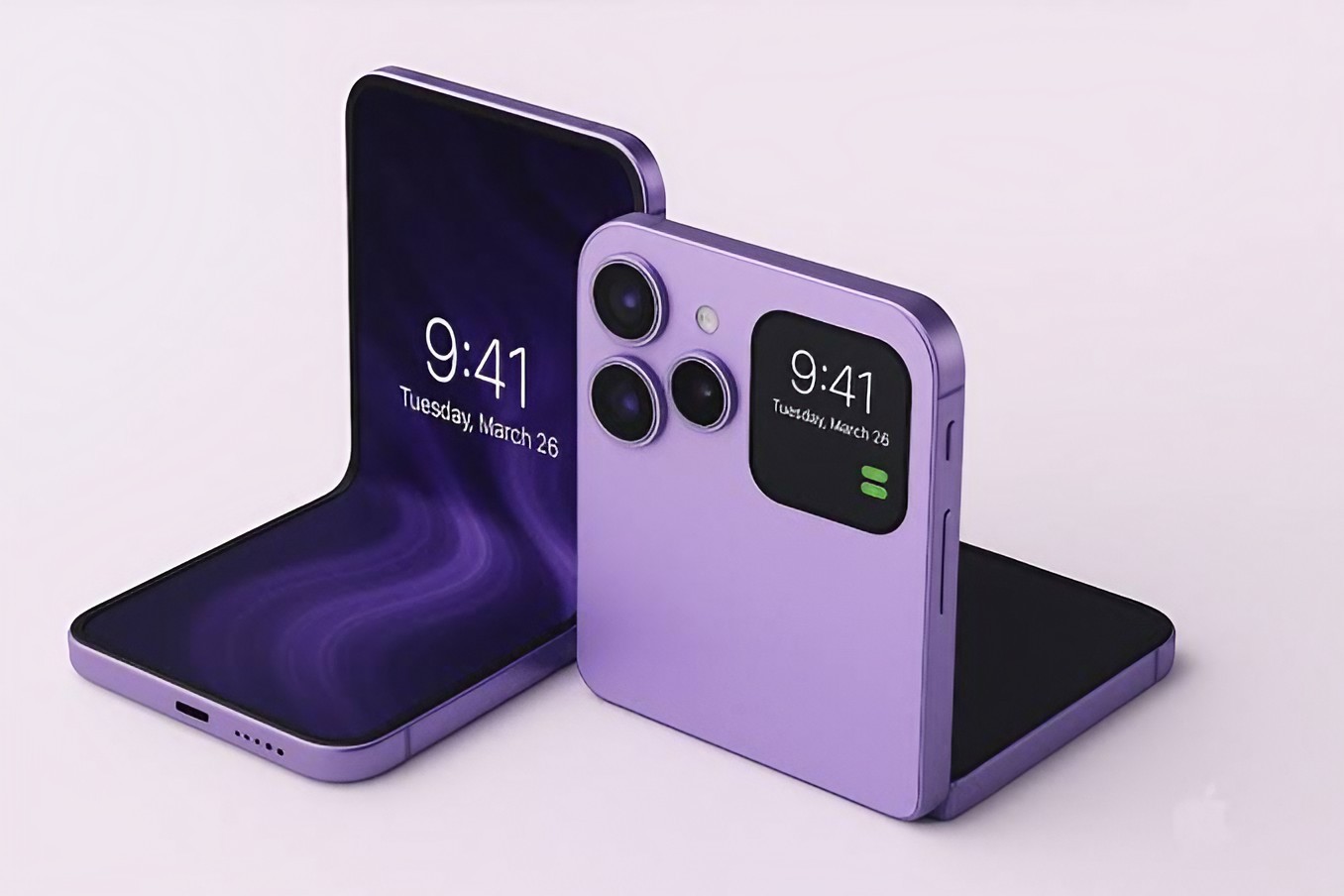
This is where the 2026 iPhone launch becomes especially interesting. Apple is widely expected to introduce its first foldable iPhone. Reuters reports that Apple is expected to unveil a foldable model at the September event, potentially giving the company a new product category for the first time in years.
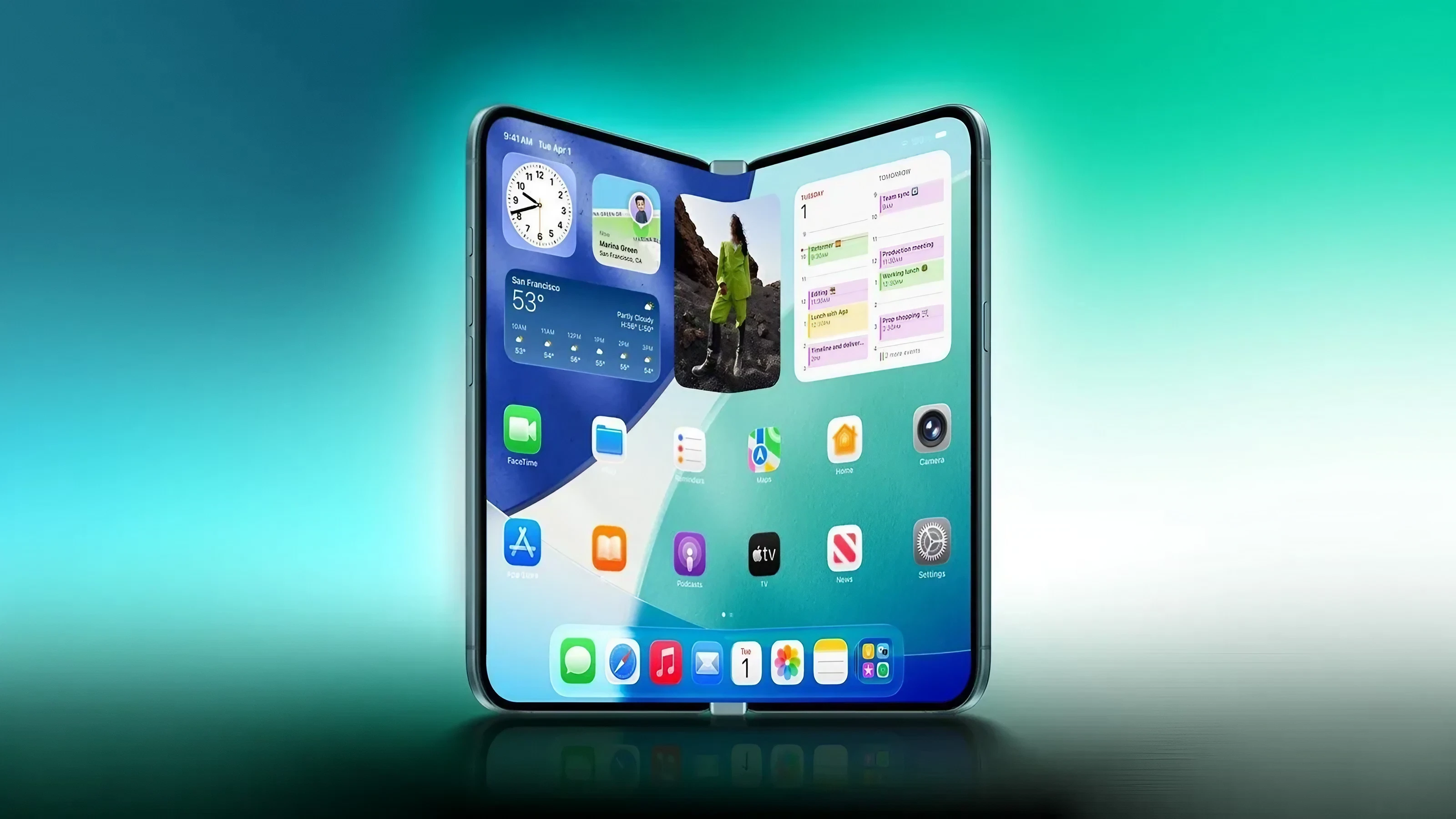
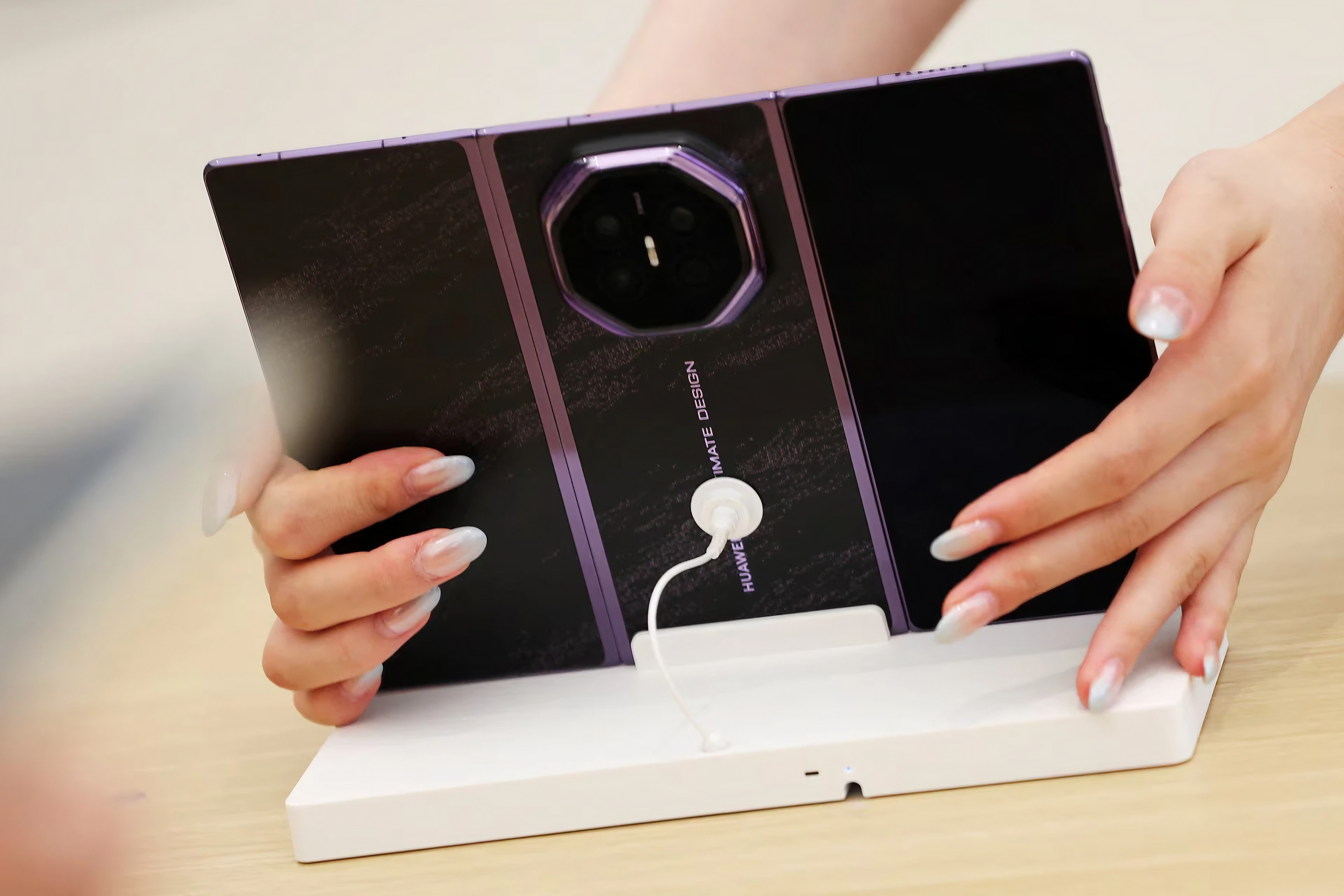
A foldable iPhone would be a major change from Apple's traditional smartphone design. Instead of having one fixed screen, a foldable phone can open to provide a larger display and then close into a smaller form. Samsung, Google and other manufacturers have already spent years developing foldable phones.
Apple's entry would therefore give the category a significant boost in attention. But there is an important distinction: the foldable iPhone is still an expectation until Apple officially announces it.
Why Would Apple Enter the Foldable Market Now?
Apple is entering the foldable market later than several competitors. That delay may actually give the company an advantage. Instead of being one of the first companies experimenting with foldable designs, Apple can study what worked and what didn't for earlier products.
Foldable phones have improved significantly, but they still come with challenges. They can be more expensive to manufacture. Their hinges need to withstand repeated opening and closing. Flexible displays require different engineering from traditional smartphone screens.
And manufacturers need to make sure the software takes advantage of the larger screen. Apple's approach could therefore focus on making a foldable phone feel like a normal iPhone rather than simply adding a folding screen.
What About AI?
Artificial intelligence will likely remain an important part of Apple's smartphone strategy. Apple has been adding more AI-powered features to its devices, and its recent hardware launches have increasingly been designed around its broader Apple Intelligence strategy.
The new iPhone generation is therefore likely to continue that direction. But users should look beyond the word "AI." The useful question is what the AI actually does. Does it help you complete tasks faster? Does it improve photos?
Can it understand information on your screen? Can it translate conversations? Can it help organize information? Those practical benefits matter much more than simply putting an AI label on a feature.
Will Your Current iPhone Become Outdated?
Probably not overnight. A new iPhone launch does not suddenly make older iPhones useless. Apple normally continues supporting older devices for years, although the availability of specific features can depend on the hardware.
For someone with a relatively recent iPhone, upgrading will likely depend on whether the new features solve a real problem. Someone with an older phone may have more reasons to upgrade if the new generation brings major improvements in performance, cameras, battery life or software support.
The best upgrade is not always the newest phone. It is the phone that provides improvements you will actually notice.
Should You Wait Before Buying an iPhone?
If you're already planning to buy an iPhone soon, waiting until Apple's September event makes sense. The reason is simple. Once Apple announces the new models, you'll know what has actually changed. You'll also have a clearer idea of whether buying the newest model is worthwhile or whether an older generation offers better value.
If your current phone works perfectly and you aren't interested in the new features, there may be no reason to upgrade immediately. But if your phone has an aging battery, poor camera performance or no longer receives the features you want, the new launch could be a useful time to compare your options.
What Apple Has Not Confirmed Yet
The exact specifications of the upcoming iPhone models.
The final design of any rumored foldable iPhone.
The official name of a possible foldable model.
Final pricing for every model and market.
The complete list of new AI features.
Exact camera and battery specifications.
Which rumored features will actually appear at the event.
The Bottom Line
Apple's September 9 event could be one of the company's most interesting launches in years. The date is confirmed. New iPhones are expected. But the biggest question is whether Apple will finally enter the foldable-phone market.
If the reports are correct, Apple's first foldable iPhone could bring enormous attention to a category that has been growing for years. At the same time, the regular iPhone lineup will need to offer enough meaningful improvements to convince existing users to upgrade.
For now, the smartest approach is to separate confirmed information from rumors. Apple's event is coming on September 9. After that, we'll know exactly what the company has been building.