Samsung Galaxy S27 Ultra Screen Upgrade: What Could Actually Change?
Samsung Galaxy S27 Ultra display reports point to M16 OLED, COE and Privacy Display technology. Here’s what these upgrades could actually mean for everyday users — and what is still unconfirmed.
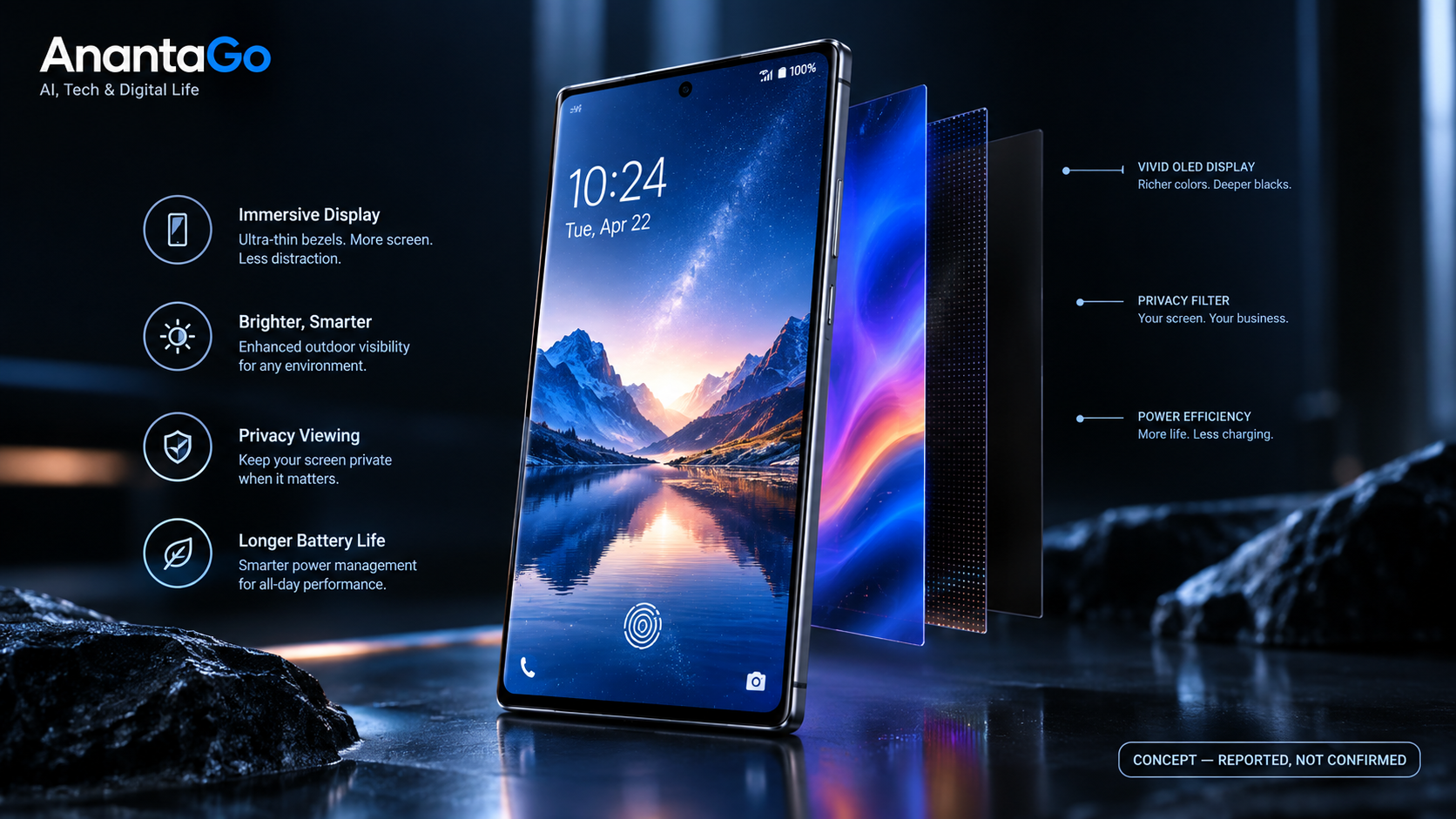
The Galaxy S27 Ultra is still months away, but its screen is already becoming one of the more interesting parts of the phone to watch. Recent reports from South Korea say Samsung is planning to use its newer M16 OLED material for the Galaxy S27 Ultra and S27 Pro. The same reports point to COE and Privacy Display technology on the higher-end models.
At first glance, that sounds like another list of display specifications. Honestly, the M16 name itself doesn't mean much to most people. What matters is whether the technology changes something you'll actually notice while using the phone. That's what I wanted to look at here: not just what Samsung is reportedly putting into the screen, but why these changes could matter — and where the rumors are getting ahead of the facts.
The Display Story Is More Interesting Than Another Brightness Number
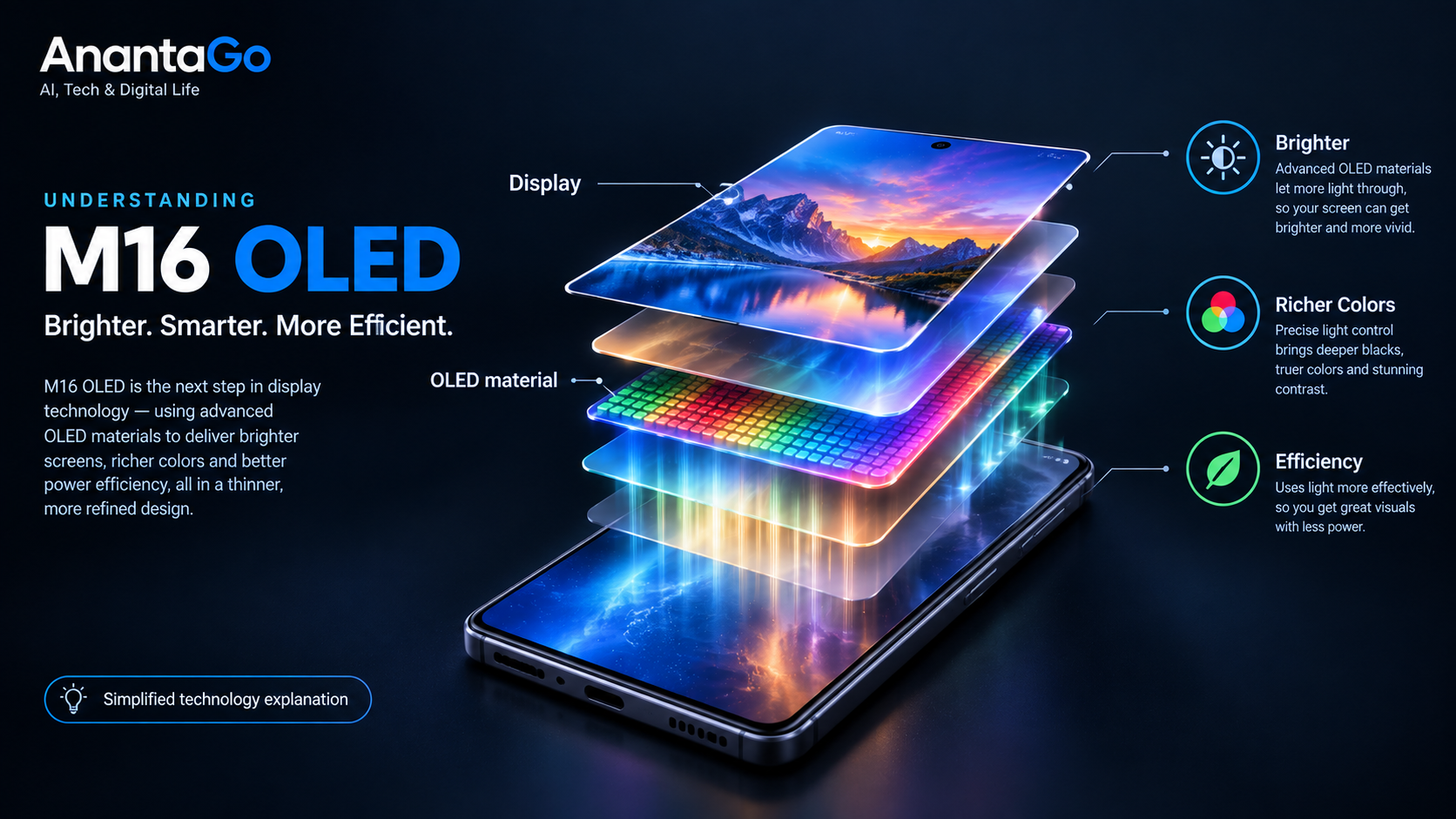
M16 refers to a newer OLED material technology designed to improve aspects of display performance and efficiency.
Most smartphone display upgrades eventually get reduced to one number: peak brightness. That number is useful, but it doesn't tell the whole story. You don't spend your day looking at your phone's maximum brightness figure. You use the screen indoors, outside, at night, on a train, while watching videos and while typing messages. So when I look at the S27 Ultra reports, I'm more interested in the combination of efficiency, viewing angles and everyday usability than another giant brightness number. And that is where M16 OLED and Privacy Display become much more interesting.
So, What Is M16 OLED?
M16 isn't a screen resolution. It's a newer OLED material set used in the display itself. Samsung Display has introduced M16 as a newer generation of OLED technology, with improvements aimed at areas such as brightness, efficiency and display performance. Reports now say the Galaxy S27 Ultra and S27 Pro could be among the Samsung phones using it. But there's an important catch: a display panel's capabilities are not automatically the same thing as the final phone's specifications. For example, you may see reports about what an M16 panel can theoretically achieve. That doesn't mean Samsung will necessarily configure the Galaxy S27 Ultra to use every one of those capabilities. That's why I wouldn't look at a headline about M16 and immediately expect a specific brightness figure or battery-life improvement from the S27 Ultra.
The Upgrade I Would Actually Notice: Efficiency
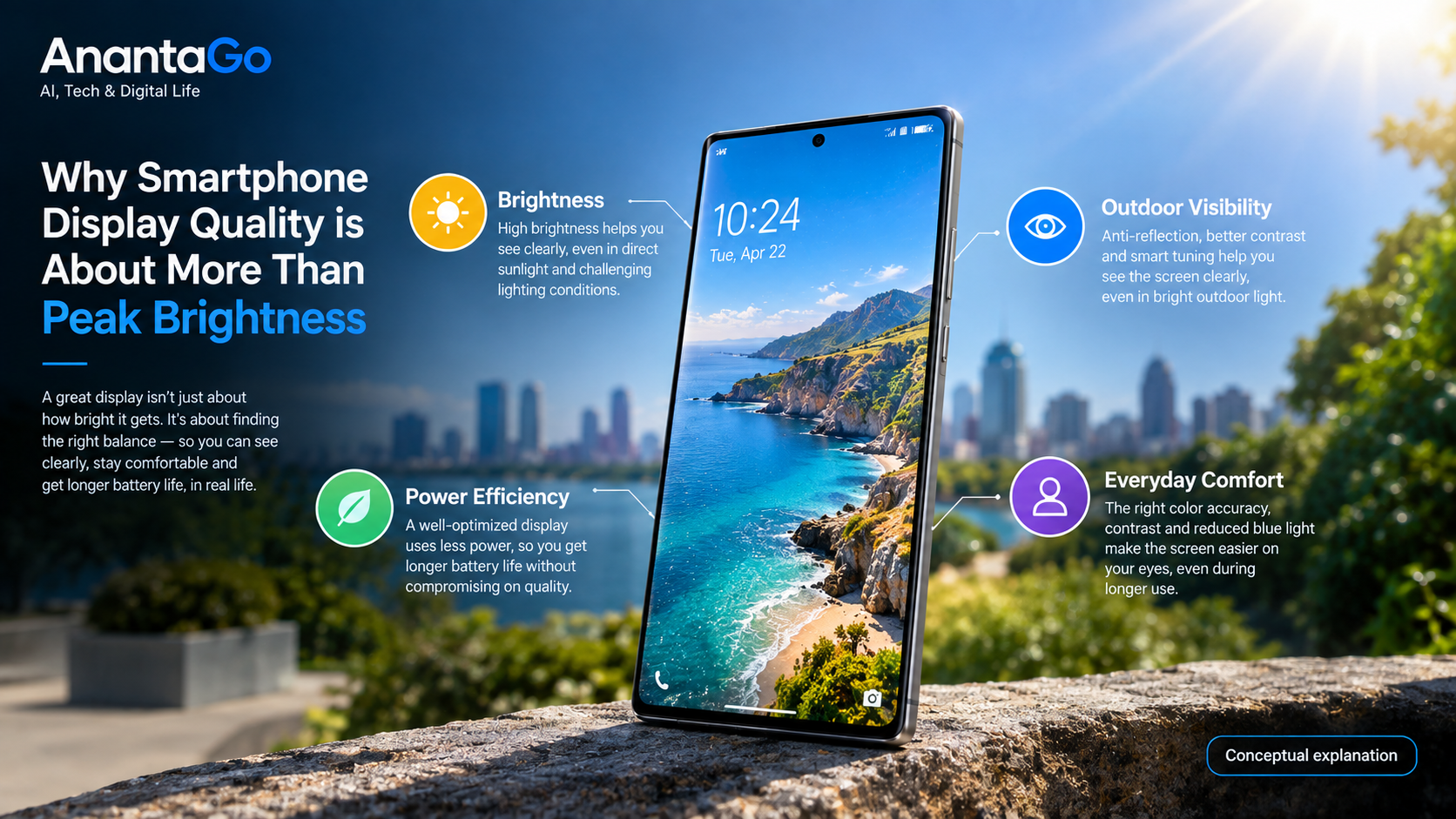
A good smartphone display has to balance brightness with efficiency.
A brighter display sounds great until you remember that the screen also has to use power. This is one reason display efficiency interests me more than another headline about peak brightness. If Samsung can produce the brightness people need while using power more efficiently, that's something that could matter during normal use. Samsung Display says its M16 technology can improve power efficiency, and recent reporting says the S27 Ultra could use the new material. But that still doesn't tell us how much longer the actual phone's battery will last. Battery life depends on much more than the display. The processor, software, network connection, brightness level and the way you use the phone all play a part.
Then There's Privacy Display
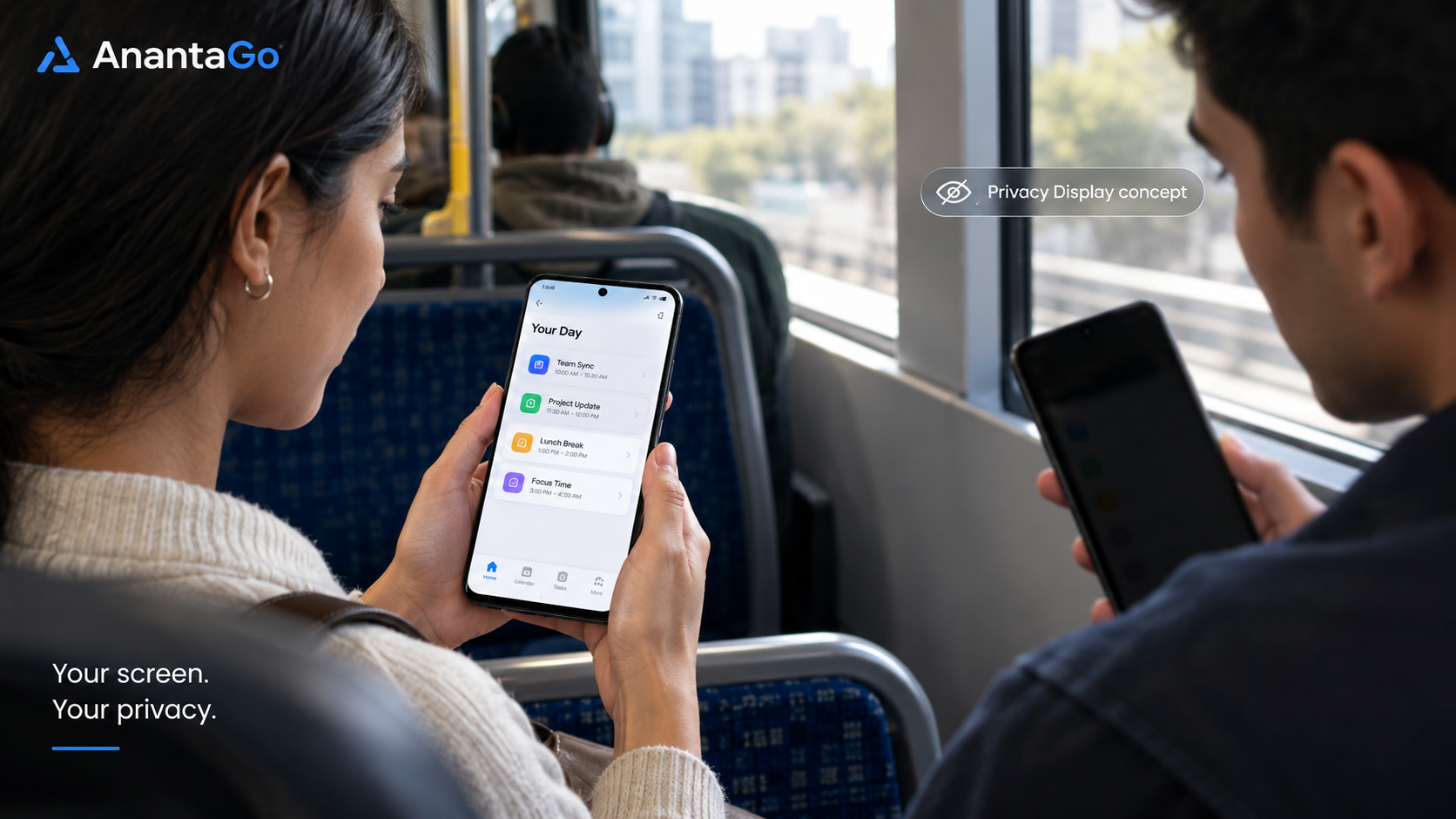
Privacy Display is designed to make screen content harder to see from certain side angles.
This is probably the S27 Ultra display feature I find more interesting than M16 itself. Samsung already has Privacy Display on the Galaxy S26 Ultra. It can reduce the visibility of the screen from side angles while keeping the display clearer for the person looking directly at it. And this isn't just a theoretical Samsung concept anymore. The feature is already being used on a shipping Galaxy phone. Current reports say Samsung could bring the technology to the Galaxy S27 Pro and S27 Ultra as well. That part is still a report, not a confirmed S27 specification.
Why I Think Privacy Display Could Matter More
Think about the places where you use your phone now. Think about the places where you use your phone now. You could be checking a bank account, reading a private message or entering a password while someone is sitting right beside you. A normal privacy screen protector can help, but it also changes the way you see the display. Samsung's approach puts the privacy feature into the display hardware itself and lets users control when it is active. Samsung's current S26 Ultra implementation can also be configured for situations such as passwords, selected supported apps and notification pop-ups. That makes this a much more practical upgrade than a specification that sounds impressive but rarely affects everyday use.
But Privacy Display Has a Trade-Off
There's something else I would want to test before calling this a great upgrade: how much the privacy effect changes the normal viewing experience. Samsung itself notes that some changes in image quality can occur outside the viewing angle and that visibility can still depend on the viewing environment, angle and brightness. That's important because privacy and display quality are always going to involve some kind of balance. If the screen looks excellent from the front but becomes noticeably darker or less comfortable at certain angles, that's something reviewers should measure rather than simply repeat from the specification sheet.
And What About COE?
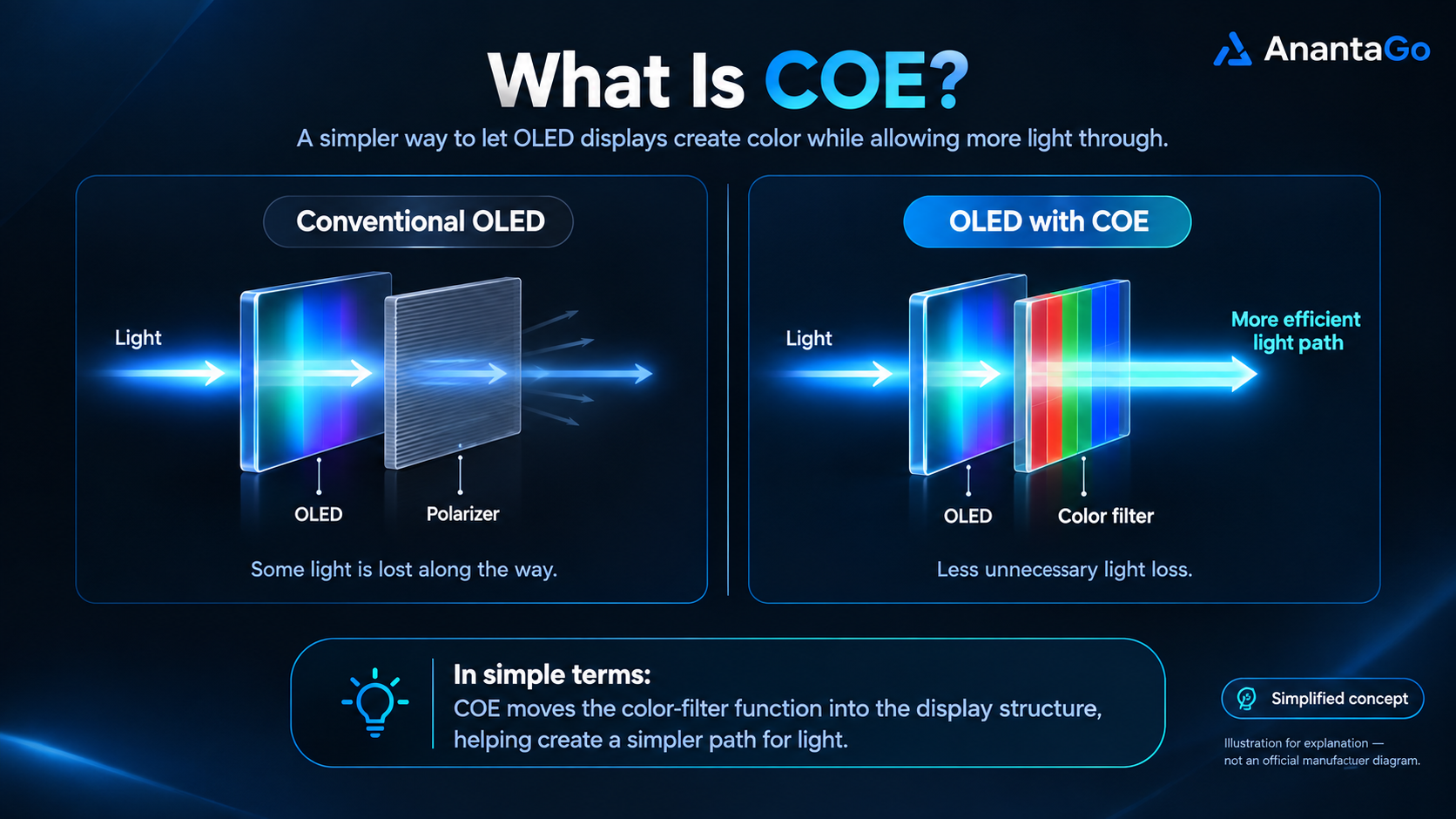
A simplified look at how display construction can affect light efficiency.
COE stands for Color Filter on Encapsulation. The name sounds like something that belongs in a display engineering lab, but the basic reason for it is easier to understand. COE changes how the display is built so that light can be used more efficiently. Recent reports link COE with the M16 display technology expected for the higher-end S27 models. I wouldn't make COE the headline of the article, though. Most people aren't going to buy a phone because it has COE. They might care if COE contributes to a brighter, more efficient or thinner display. That's the part that eventually reaches the user.
What I Would Actually Test on the S27 Ultra
What I would want to test before deciding whether the S27 Ultra's display is a meaningful upgrade.
This is the part I wish more early smartphone coverage included. Instead of simply asking whether the S27 Ultra has M16 OLED, I'd want to know what the screen actually does differently.
How readable is it outdoors at different brightness levels?
How much power does the display use during normal video playback?
How quickly does Privacy Display hide information from someone sitting beside you?
Does Privacy Display noticeably change the viewing experience for the person holding the phone?
Does the display remain comfortable to use for long periods?
Is the efficiency improvement actually visible in battery testing?
Those are the tests that would tell me whether this is a meaningful display upgrade. A list of display technologies alone can't answer them.
What We Know — And What We Don't
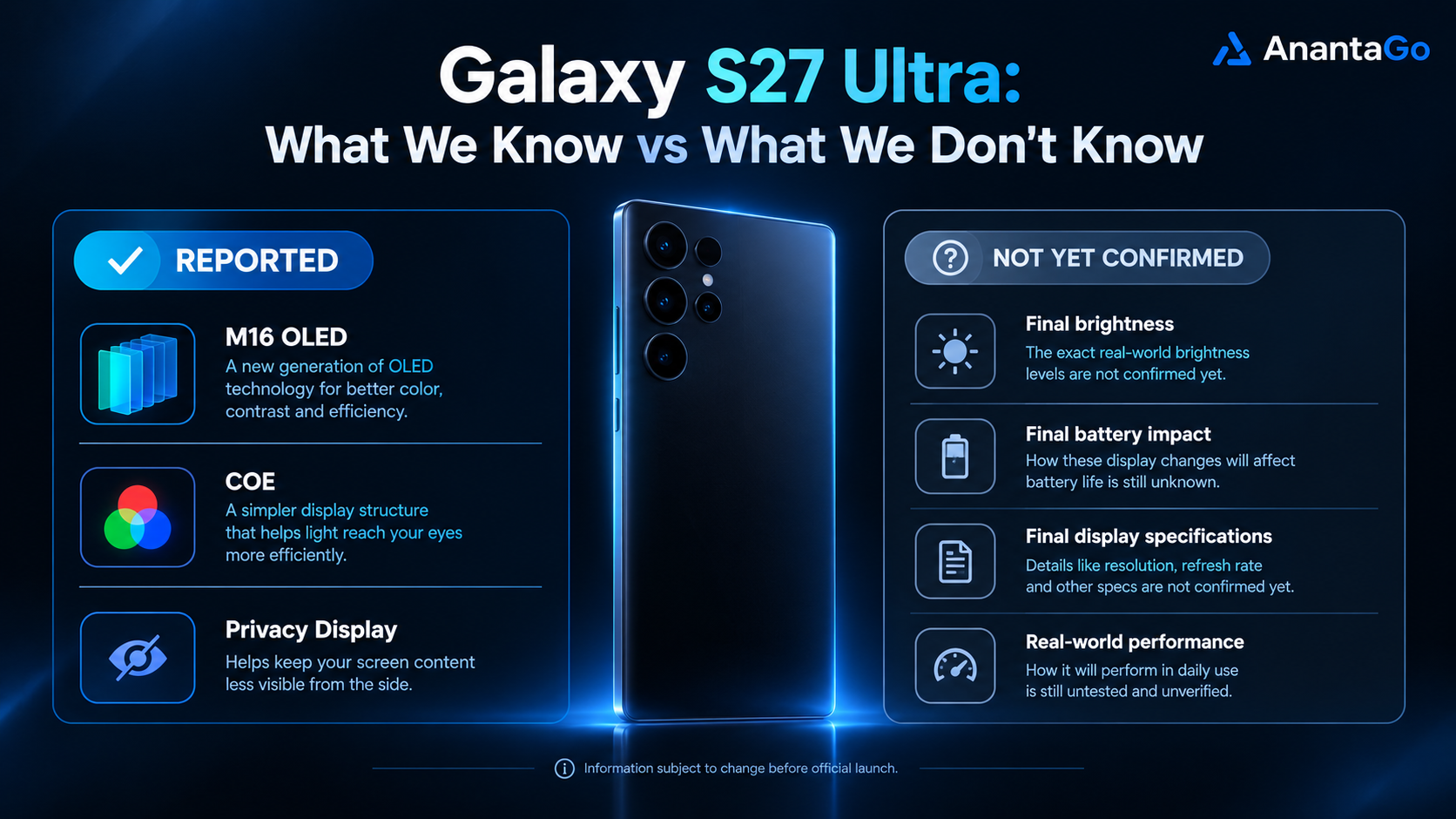
Right now, there are two different stories being mixed together online. One is the technology Samsung Display has developed. The other is exactly how Samsung Electronics will use that technology in the Galaxy S27 Ultra.
Reported: Galaxy S27 Ultra and S27 Pro could use M16 OLED.
Reported: COE could be used on the higher-end S27 models.
Reported: Privacy Display could continue on the S27 Ultra and S27 Pro.
Confirmed today: Samsung already offers Privacy Display on the Galaxy S26 Ultra.
Not confirmed: The final Galaxy S27 Ultra display specifications.
Not confirmed: The exact real-world battery benefit.
Not confirmed: The final brightness and viewing-angle performance.
My Take: The Privacy Part Is More Interesting Than the Numbers
If the S27 Ultra really gets M16 OLED, that will be interesting. But I don't think the material name itself is the reason people should care. The more interesting question is what Samsung manages to do with it. If the result is a screen that stays easy to read outside, uses power efficiently and gives you better control over who can see sensitive information, those are upgrades I can understand immediately. If the biggest change turns out to be another specification number that looks impressive in a launch presentation but doesn't change everyday use very much, that's a different story. And that's why I wouldn't call this a major upgrade just yet. The hardware reports are interesting. The real verdict needs actual testing.
What I'm Waiting to See
For now, I'm more interested in the next round of evidence than another leak. I want to see Samsung's official specifications first. After that, independent display testing should tell us much more about brightness, efficiency, viewing angles and Privacy Display. Until then, the M16 story is worth watching — but I wouldn't treat every number attached to the technology as a Galaxy S27 Ultra specification.
Helpful answers
Frequently Asked Questions
Will the Galaxy S27 Ultra use M16 OLED?+
Recent reports say the Galaxy S27 Ultra and S27 Pro are expected to use Samsung Display's M16 OLED technology. Samsung has not yet officially published the final S27 Ultra specifications.
What is M16 OLED?+
M16 is a newer OLED material technology from Samsung Display. It is designed to improve areas such as display efficiency and brightness, although the exact implementation in the Galaxy S27 Ultra remains unconfirmed.
Will the Galaxy S27 Ultra have Privacy Display?+
Recent reports say Privacy Display could be included on the Galaxy S27 Ultra and S27 Pro. Samsung currently offers the feature on the Galaxy S26 Ultra, but the S27 implementation has not yet been officially confirmed.
What is Privacy Display?+
Privacy Display is a display feature designed to reduce screen visibility from side angles. Samsung currently uses it on the Galaxy S26 Ultra and allows users to configure it for situations such as passwords, supported apps and notifications.
Will M16 OLED improve Galaxy S27 Ultra battery life?+
It could help reduce display power consumption, but there is no confirmed battery-life improvement for the Galaxy S27 Ultra yet. Actual battery life depends on the complete phone and how it is used.
Is the Galaxy S27 Ultra display officially confirmed?+
No. The M16 OLED, COE and Privacy Display details are currently based on reports. Samsung has not yet officially announced the final Galaxy S27 Ultra display specifications.