IFA Berlin 2026: The Biggest New Tech and Gadgets You Need to Know
IFA Berlin 2026 is showcasing a new generation of consumer technology, from rollable laptops and bezel-less smartphones to smarter robots, AI-powered homes and next-generation audio devices. Here are the biggest technology developments from this year's event and what they could mean for everyday users.
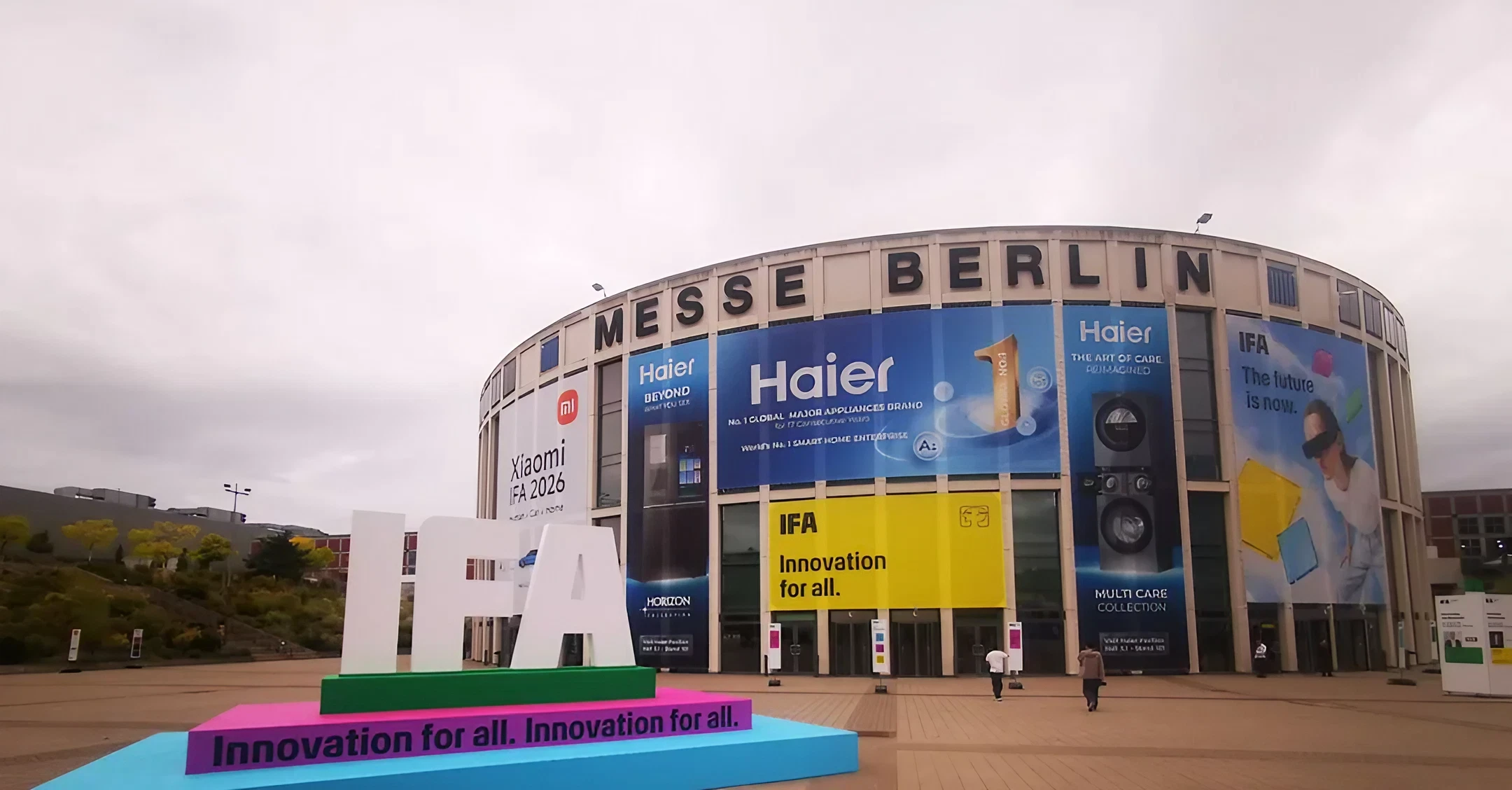
IFA Berlin 2026 is underway in Germany, and this year's event is showing just how quickly consumer technology is changing. The major technology exhibition is bringing together more than 1,900 brands, with new products and concepts covering smartphones, laptops, artificial intelligence, robotics, smart-home devices, audio and entertainment technology.
But the most interesting part of IFA 2026 isn't simply the number of gadgets being announced. It is the direction the industry is taking. Companies are experimenting with laptops that can expand their screens, smartphones that push displays closer to the edges, robots that can perform more household tasks and appliances that use AI to become more automated.
Some of these products will become mainstream. Others may remain expensive experiments or concepts. Here are the IFA 2026 developments that are worth watching.
1. Laptops Are Becoming More Flexible
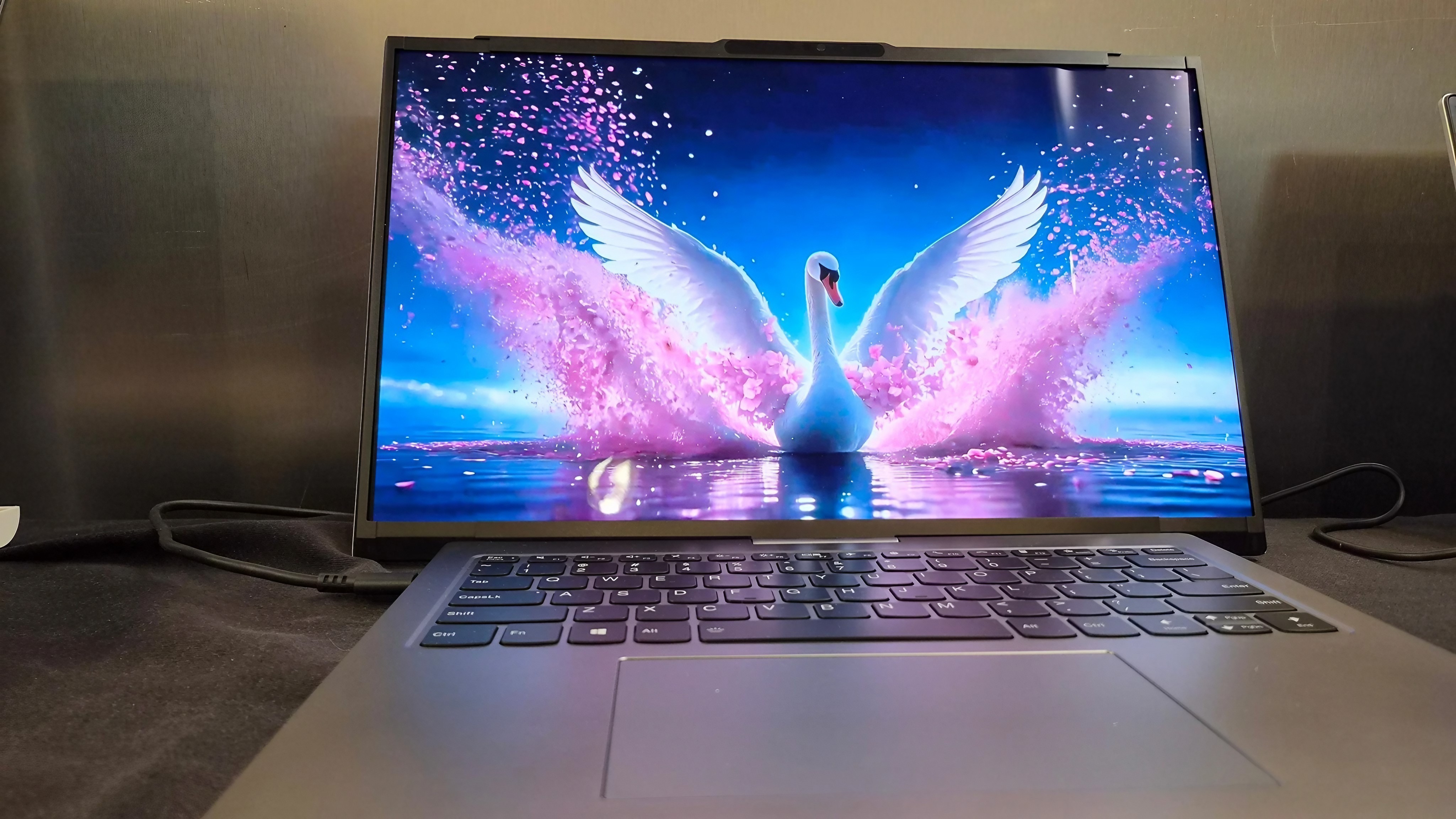
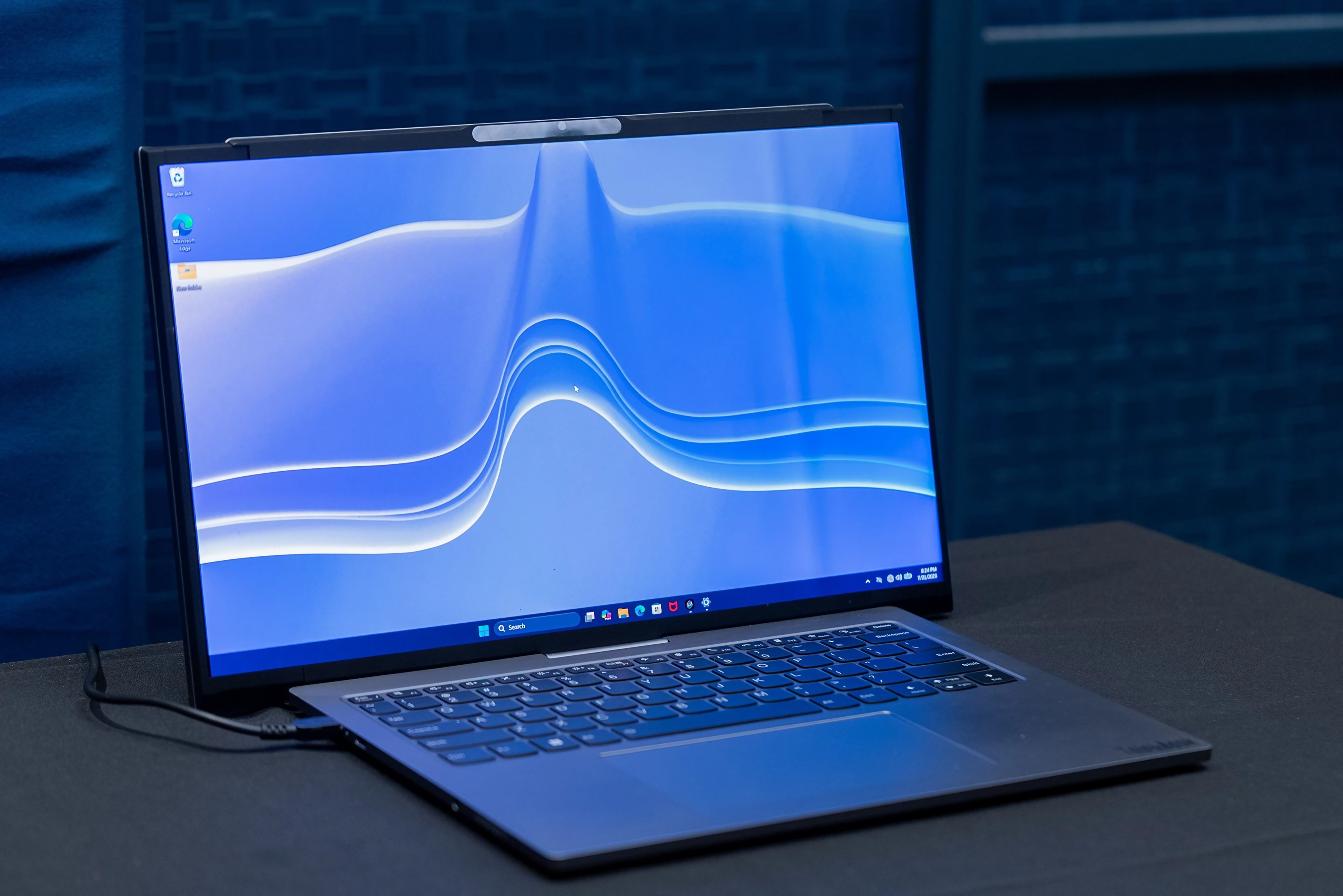
One of the most interesting trends at IFA 2026 is the attempt to make laptops more flexible without making them permanently larger. Lenovo showed Project Swan, a concept laptop designed around a rollable display. The screen can expand from around 14 inches to 17 inches, giving users a larger workspace when they need it.
Lenovo also presented Project AeroBlade, a very thin laptop concept that explores solid-state cooling technology instead of relying on traditional cooling fans. These ideas address two problems laptop makers have struggled with for years: how to provide more screen space and performance while keeping computers thin and portable.
The important point isn't whether these exact concepts become products. It is that manufacturers are exploring completely different ways of designing laptops.
2. Smartphone Screens Are Getting Closer to the Edge
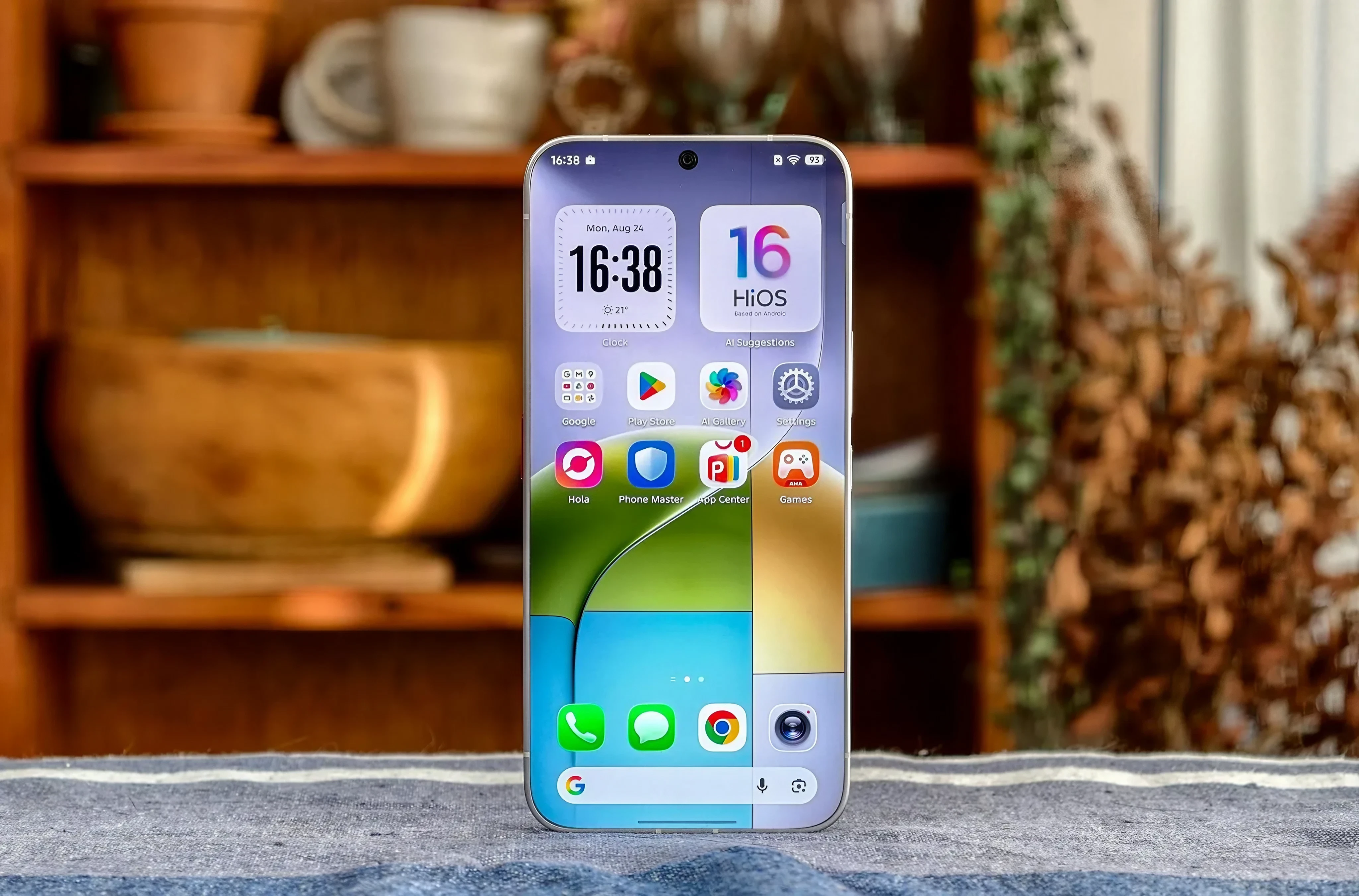
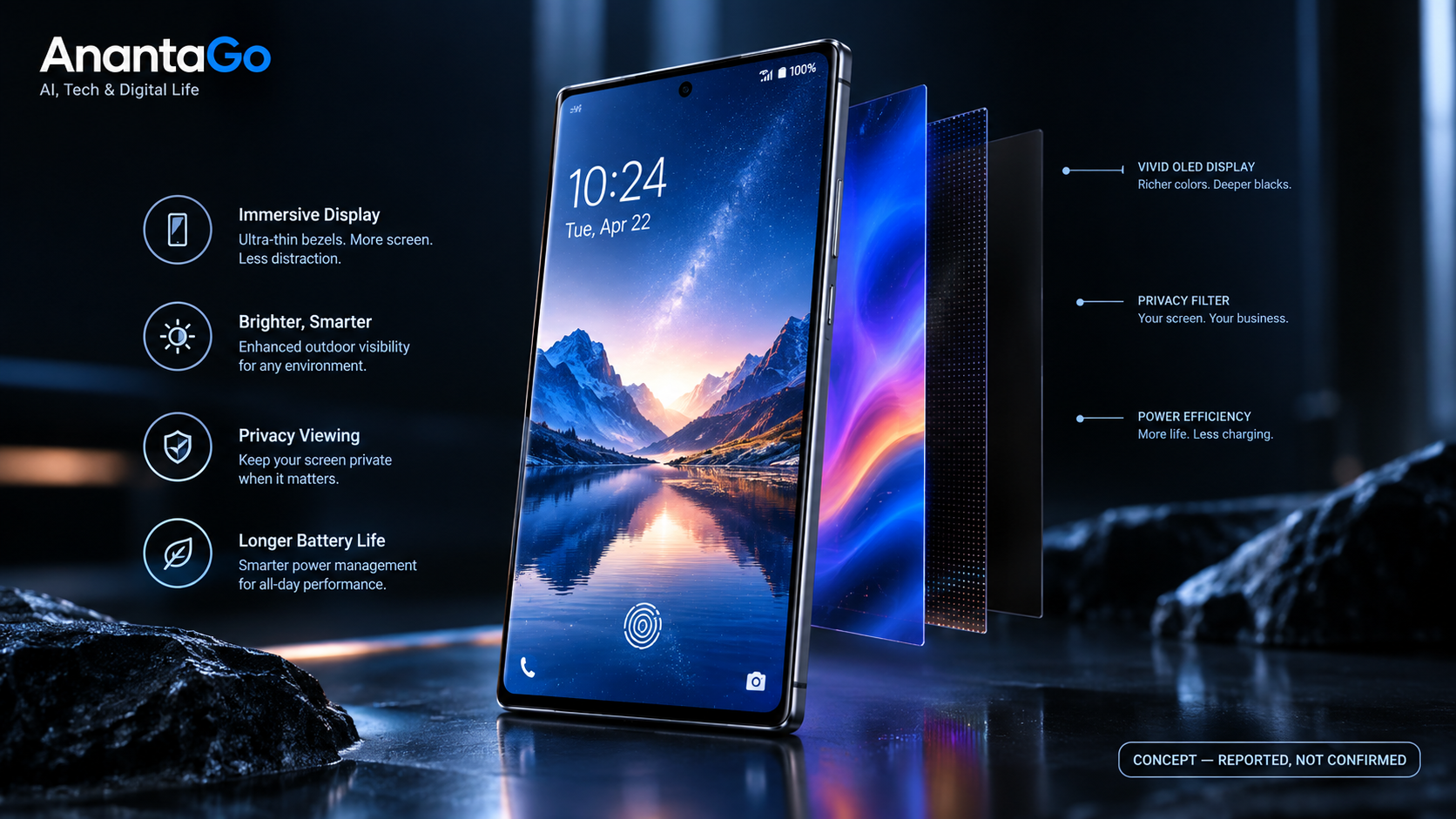
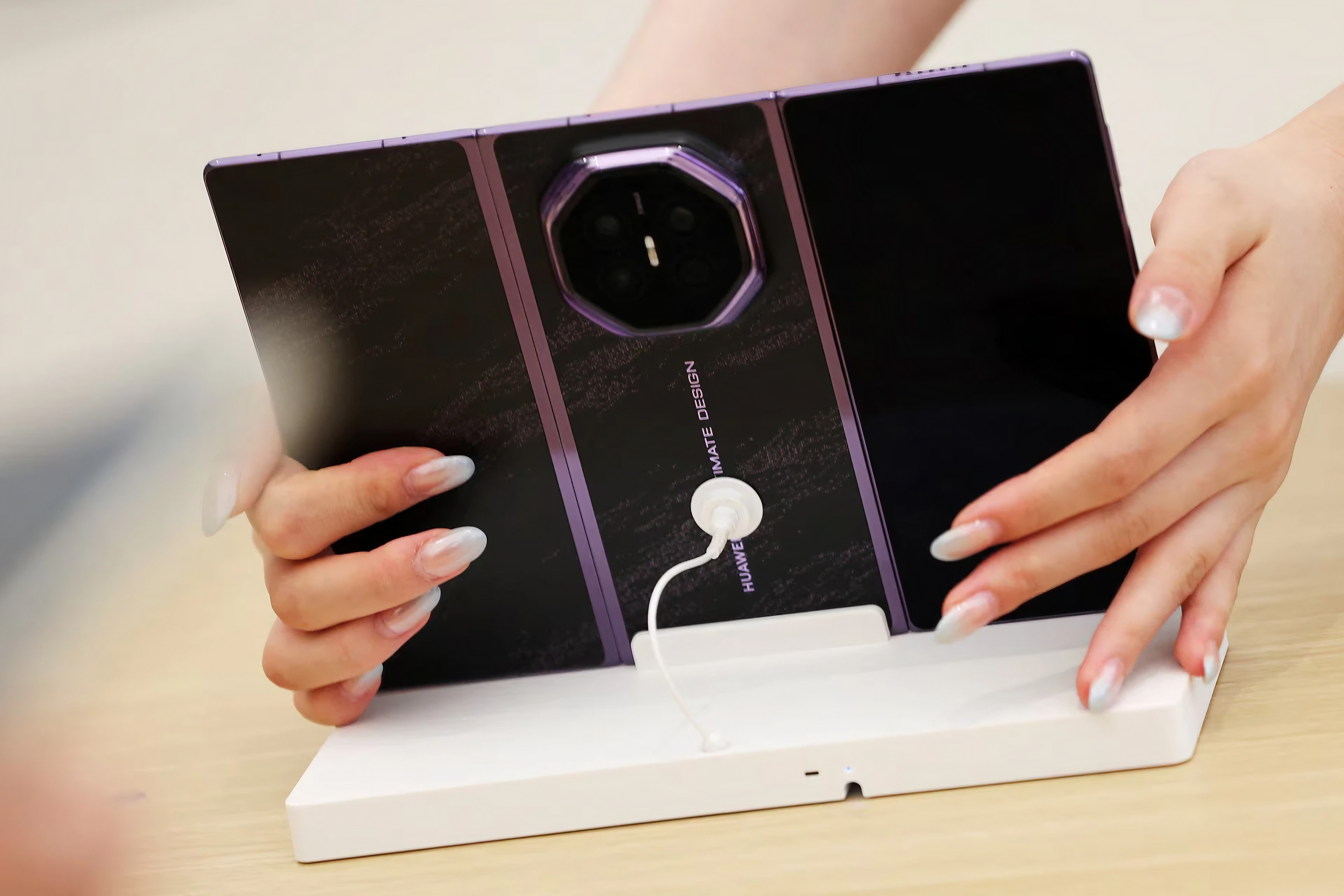
Smartphone design is another area where manufacturers are experimenting. Tecno showed its Bezelless Concept smartphone at IFA 2026, featuring a display designed to minimize the visible borders around the screen.
RugOne also presented an unusual smartphone concept with a detachable action camera, combining a traditional phone with a dedicated camera accessory. These products show that smartphone companies are looking beyond the usual processor, camera and battery upgrades.
The challenge is whether consumers actually want these new designs. A thinner bezel or detachable camera may look impressive, but a successful smartphone feature needs to solve a real problem. That is something worth remembering when looking at concept devices at technology shows.
3. AI Is Moving Deeper Into the Smart Home
AI is one of the biggest themes across IFA 2026. Instead of treating AI as something that exists only inside chatbots and smartphones, technology companies are putting it into household products. Smart appliances are increasingly being designed to understand what users are doing and automatically adjust settings.
Xiaomi, for example, is showcasing a connected ecosystem involving smartphones, smart-home products, wearables and robots. This represents an important change. The smart home used to be mostly about controlling devices from a smartphone. The next generation could be more about devices understanding their surroundings and taking useful actions automatically.
However, not every product becomes better simply because it has AI. The useful question for consumers is simple: does the AI actually save time or make the device easier to use?
4. Robots Are Becoming More Practical
Robotics is another major theme at IFA 2026. The event features robot vacuums, smart cleaning machines and other robots designed to perform physical tasks. Modern robots are using more sensors and better software to understand their surroundings. This allows them to recognize objects, navigate complicated spaces and adjust their behavior.
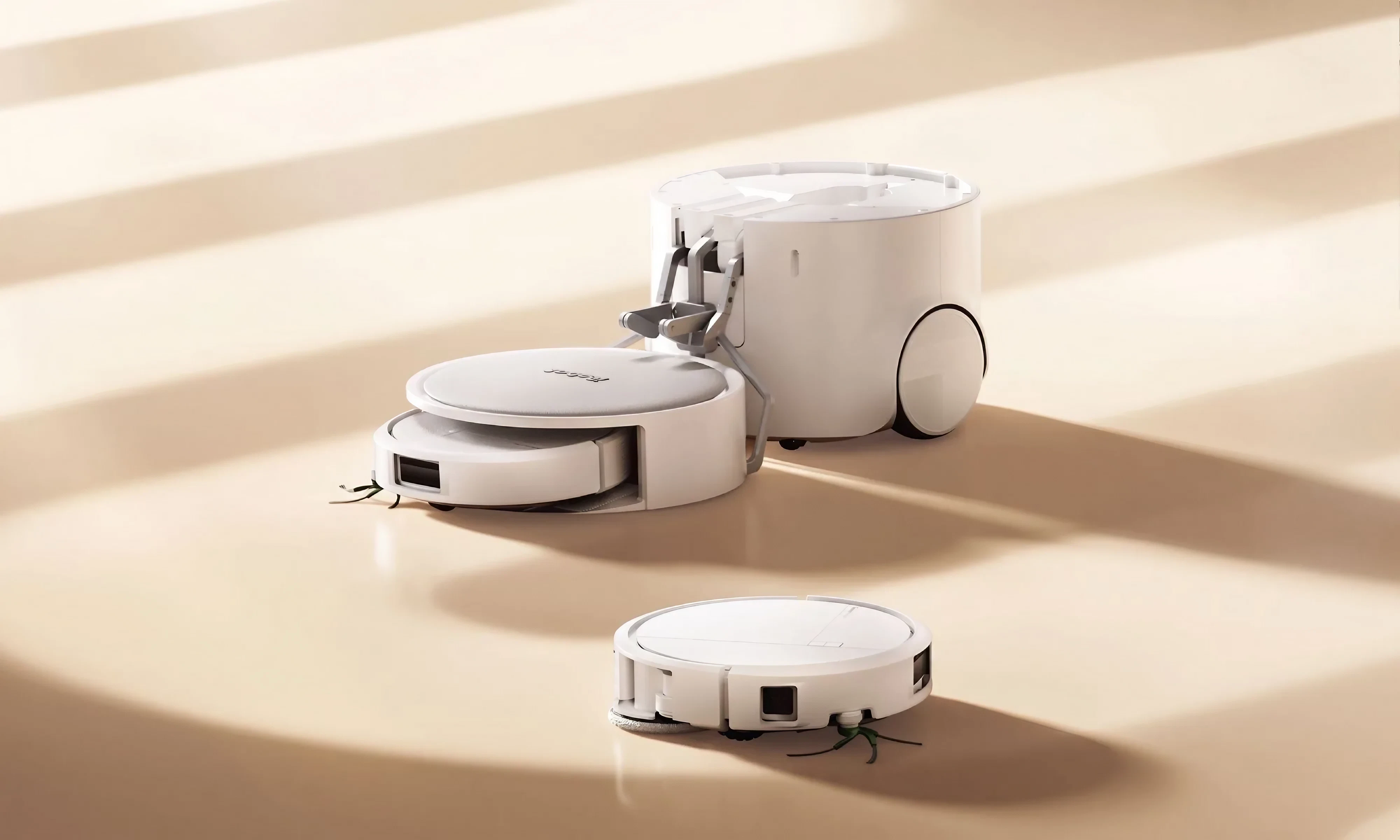
iRobot, for example, demonstrated its Roomba Duo concept, involving a larger robot vacuum and a smaller detachable cleaning robot. But there is an important difference between a robot performing well in a demonstration and a robot reliably handling unpredictable situations inside a real home.
That is why reliability may ultimately matter more than impressive demonstrations. A robot that can consistently solve everyday problems will be much more valuable than one that simply looks futuristic.
5. Earbuds Are Becoming More Than Music Devices
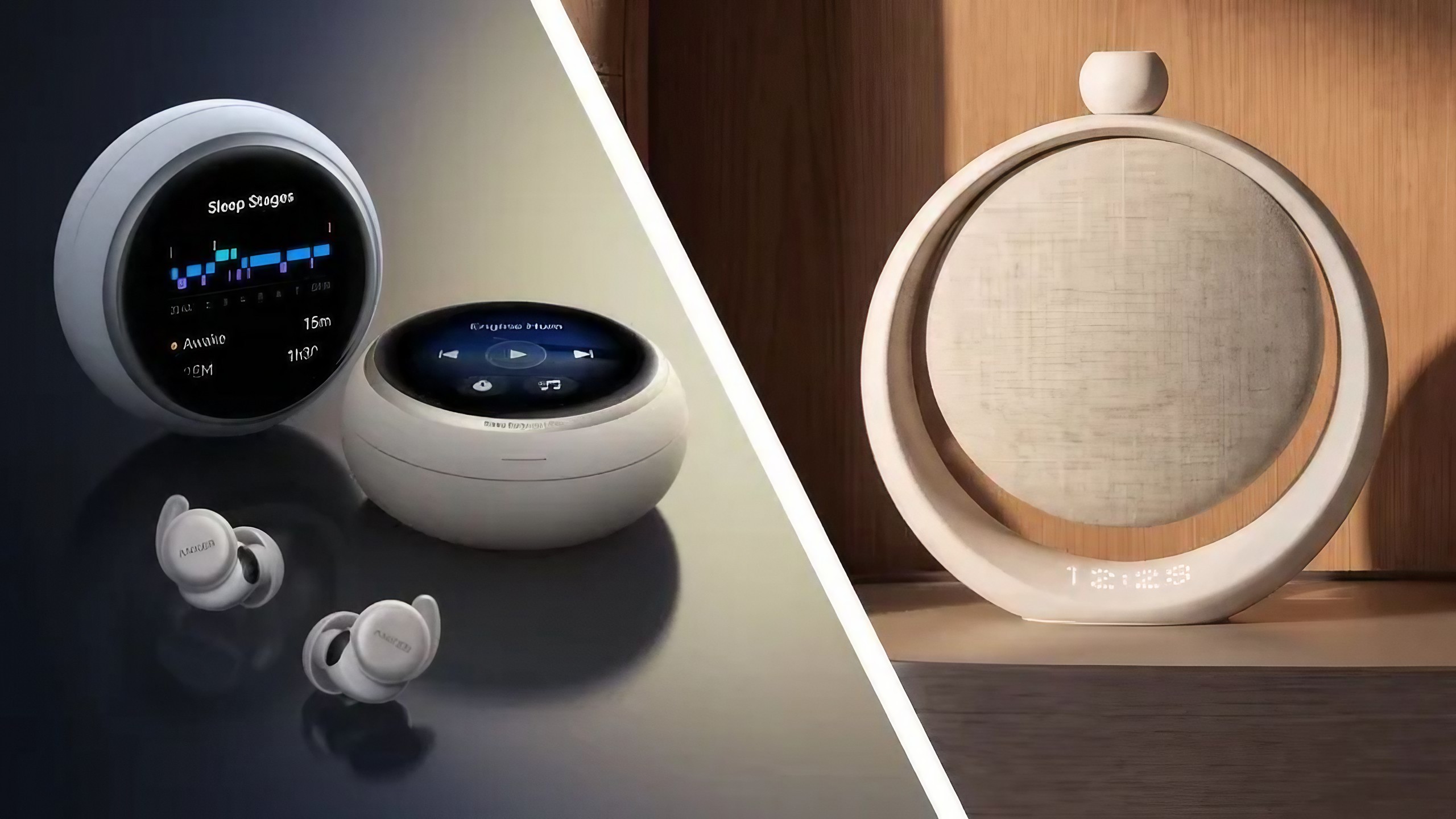
Audio technology is also changing. Anker introduced multiple new products around IFA 2026, including new Soundcore audio devices and smart-home technology. New generations of earbuds are increasingly being designed to do more than play music. Some products are adding features related to sleep, health tracking, voice interaction and connections with other smart devices.
Noise also introduced its Master Buds Open at IFA, featuring Sound by Bose technology. This shows how earbuds are gradually moving toward becoming wearable computing devices. The more sensors, microphones and intelligent software manufacturers add, the more useful earbuds could become for communication, health information and everyday assistance.
6. Robot Vacuums Are Turning Into Home Robots
Robot vacuums have come a long way from simple machines that randomly move around a room. Today's advanced models can use cameras, sensors and mapping technology to identify objects and navigate more intelligently.
IFA 2026 highlights how manufacturers are pushing this idea even further. Companies are experimenting with robots that can recognize more objects, clean different surfaces and operate with less human intervention.
The bigger trend is interesting. Consumers may eventually stop thinking of these products simply as robot vacuums and start seeing them as general-purpose household robots. That future is still developing, but IFA 2026 suggests the industry is moving in that direction.
7. Projectors Are Getting More Practical
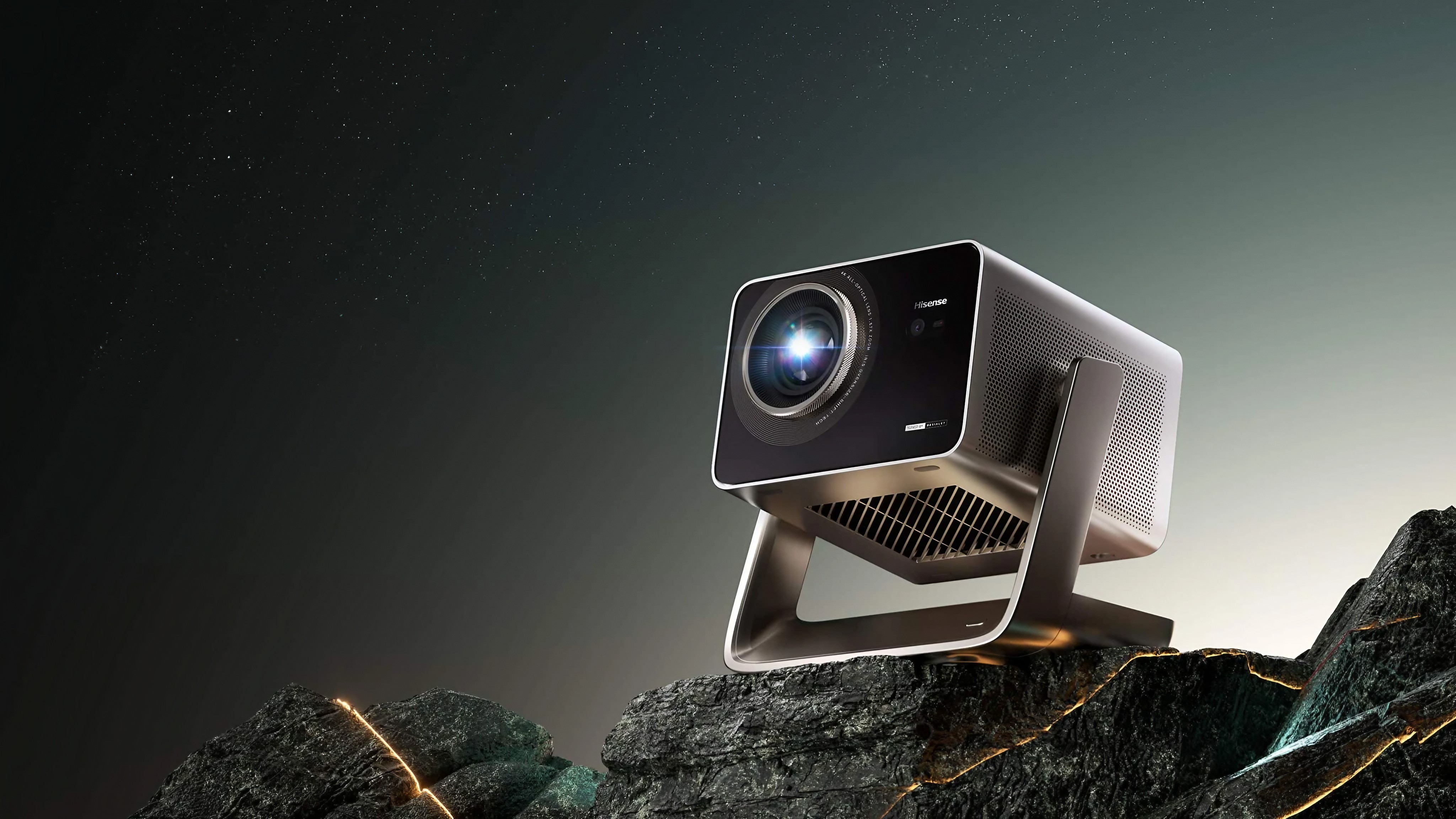
Televisions remain a major part of home entertainment, but projectors are also becoming more capable. New projectors shown around IFA 2026 are focusing on improvements in image quality, brightness, portability and ease of use.
The goal is no longer simply to make a picture larger. Manufacturers want projectors to work more like convenient entertainment systems that can be set up without complicated installation.
For people who want a very large display without buying an enormous television, that could make modern projectors more attractive.
8. Not Everything at IFA 2026 Is Coming to Stores
There is one important detail readers should remember when following IFA coverage: not every device shown at the event is a commercial product. Technology companies often use major exhibitions to demonstrate concepts and experimental designs.
Lenovo's Project Swan and Project AeroBlade are examples of technology concepts that demonstrate possible future laptop designs. A concept can show what a company believes could become possible without guaranteeing that consumers will be able to buy it.
That distinction is important because futuristic demonstrations often receive more attention than ordinary products.
What IFA Berlin 2026 Really Tells Us About Technology
Looking across the announcements, one pattern stands out: technology companies are trying to make devices more adaptive. Screens can change size. Robots can understand their surroundings.
Smart appliances can use AI to adjust their behavior. Earbuds can collect more information. Laptops are being redesigned around new display and cooling technologies. This is different from the predictable upgrade cycle of previous years. The next generation of consumer technology may not be defined by one revolutionary device. Instead, it could be shaped by dozens of smaller changes that make everyday products more capable.
That may be the most important takeaway from IFA 2026.
The AnantaGo Take
IFA 2026 is not simply a showcase of strange gadgets. It is a preview of where consumer technology could be heading. The most exciting products aren't necessarily the ones with the biggest specifications. The more important developments are the ones that solve real problems.
A laptop that becomes larger only when you need more screen space makes sense. A quieter cooling system could make portable computers better. A robot that genuinely understands objects around your home could eventually save time.
An AI appliance that simply adds a chatbot without solving a useful problem may not be nearly as valuable. That is the difference consumers should watch. The future of technology isn't about putting AI or futuristic hardware into everything. It is about making technology genuinely more useful.
Helpful answers
Frequently Asked Questions
What is IFA Berlin 2026?+
IFA Berlin 2026 is a major consumer technology and electronics exhibition taking place in Berlin from September 4 to September 8, 2026. More than 1,900 brands are participating in the event.
What products are being shown at IFA 2026?+
IFA 2026 features smartphones, laptops, AI devices, smart-home products, robots, projectors, headphones, appliances and other consumer technologies.
What is Lenovo Project Swan?+
Lenovo Project Swan is a concept laptop featuring a rollable display designed to expand from roughly 14 inches to 17 inches.
Are all IFA 2026 gadgets available to buy?+
No. IFA includes both commercial products and experimental concept devices. Some concepts may never become retail products.
Why is AI important at IFA 2026?+
AI is being integrated into more areas of consumer technology, including smart-home products, appliances, robots and personal devices. The larger trend is toward technology that can understand its environment and automate more tasks.
What is the biggest technology trend at IFA 2026?+
One of the biggest trends is adaptive technology. Devices are becoming more automated, connected and capable of changing how they operate based on users and their surroundings.
Why is IFA important for technology fans?+
IFA provides an early look at new consumer products and experimental technologies that could influence the devices people buy over the following year.
#IFA Berlin 2026#IFA 2026#Tech News#Gadgets#Consumer Technology#AI#Laptops#Smart Home#Robotics#New Gadgets