Lenovo Project Swan: This Laptop Grows From 14 Inches to 17 Inches
Lenovo has unveiled a laptop concept that can grow from a compact 14-inch screen into a much larger 17-inch display. Here is how Project Swan works, why Lenovo built it, and whether rollable laptops could become the next big change in portable computing.
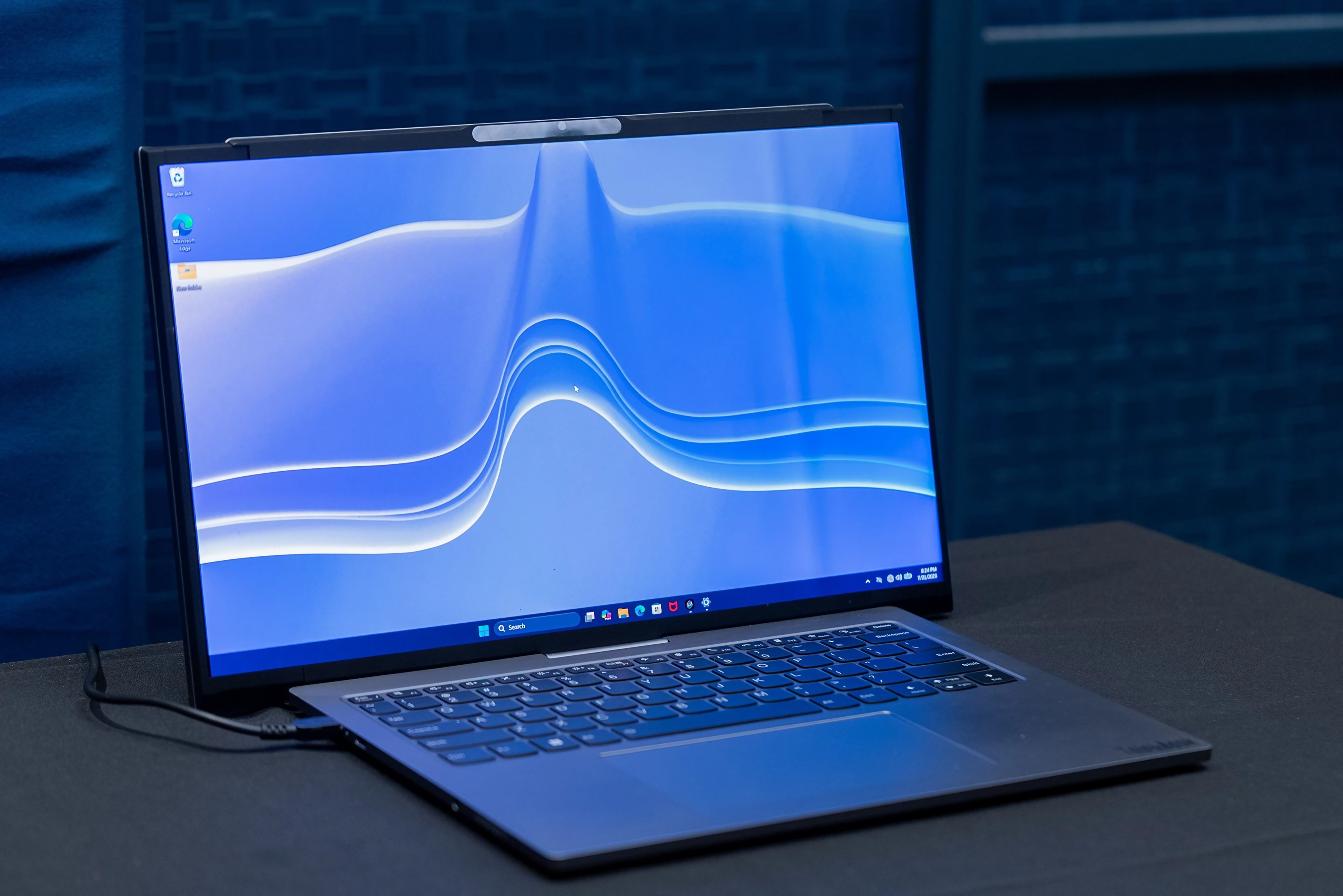
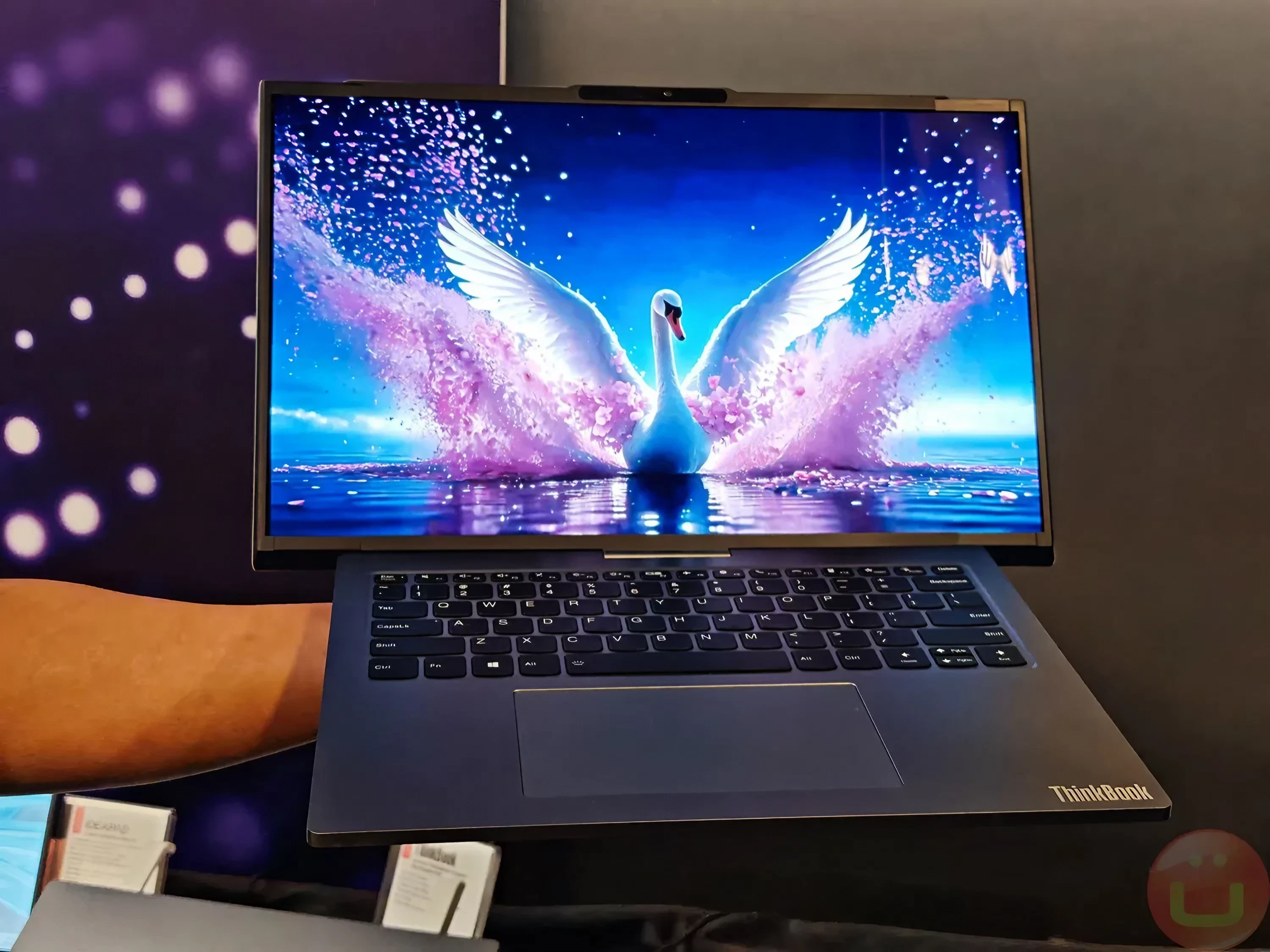
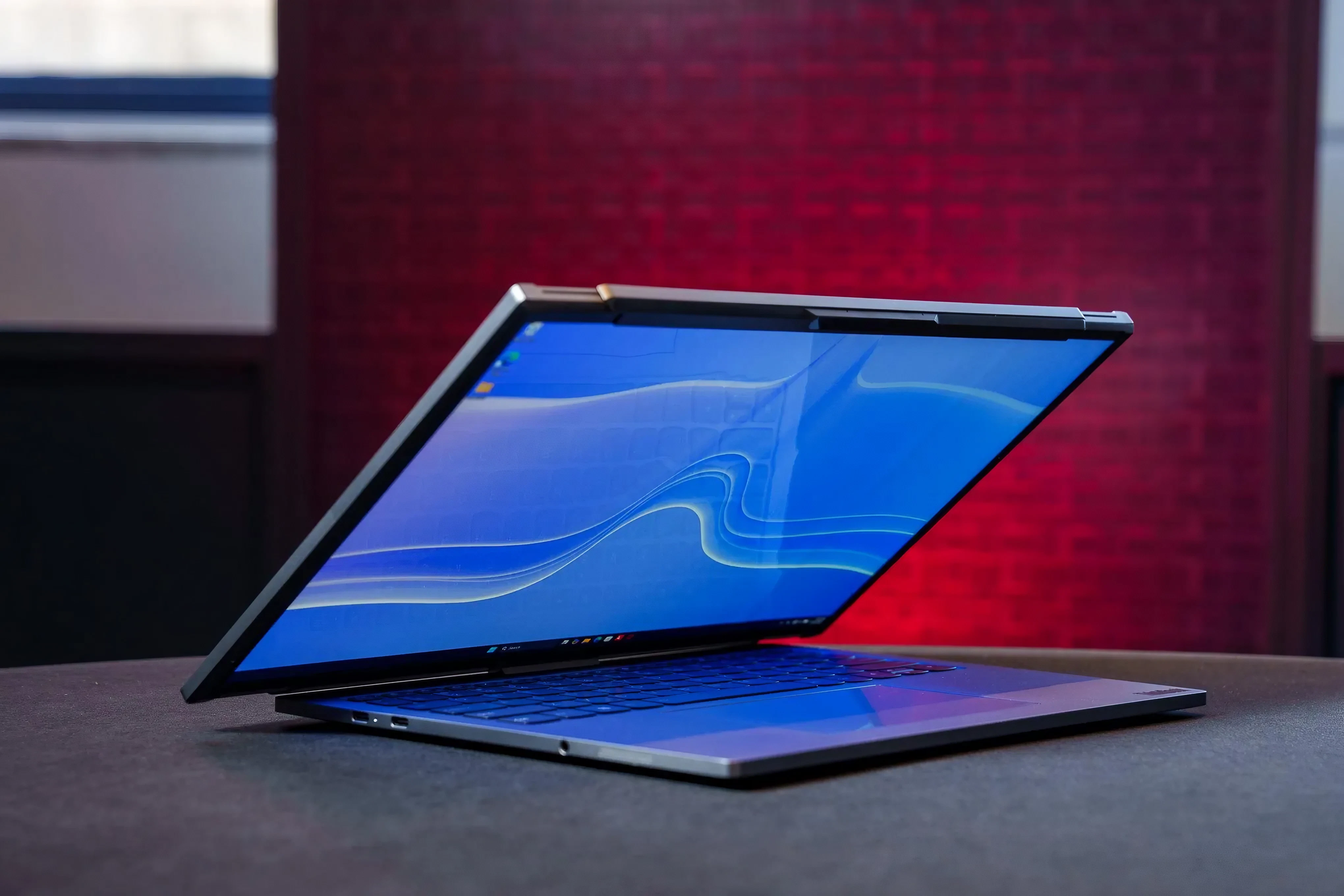
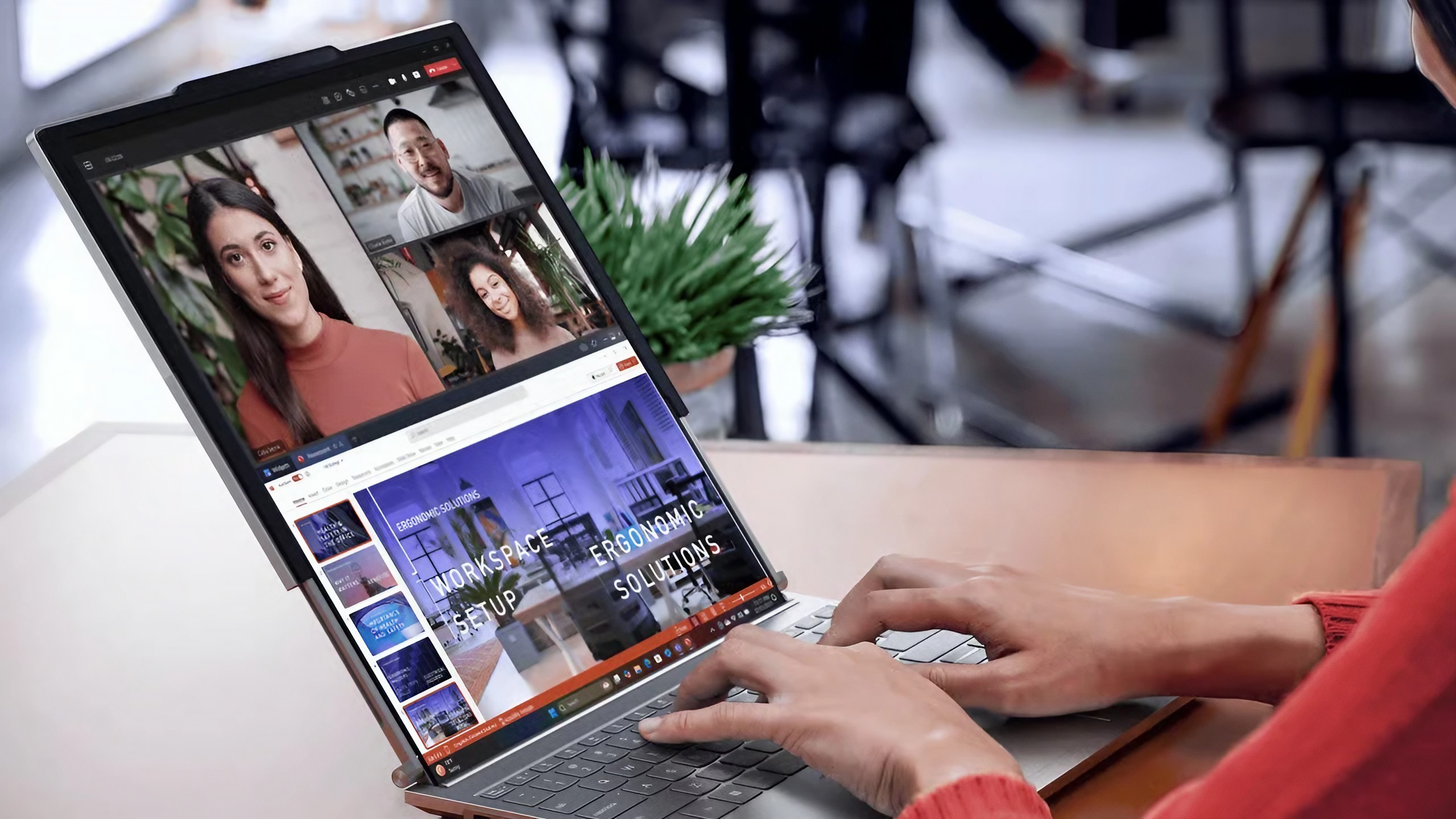
What if your 14-inch laptop could suddenly become a 17-inch laptop when you needed more screen space? That is the unusual idea behind Lenovo Project Swan, a new rollable laptop concept shown at IFA 2026 in Berlin. At first glance, Project Swan looks like a fairly normal business laptop. Then the display begins moving sideways, revealing a larger flexible OLED screen.
The concept expands from a 14-inch display into a 17-inch 16:9 screen. Lenovo is not selling Project Swan yet, but the idea raises a much more interesting question than simply asking whether the technology looks impressive: could one laptop finally give users both portability and a large workspace?
The Laptop That Gets Bigger When You Need It
The most interesting thing about Project Swan is also the easiest part to understand. Instead of giving you a permanently large laptop, Lenovo designed a machine that can change its screen size. In its compact configuration, Project Swan has a 14-inch display. When the mechanism is activated, the flexible OLED panel expands horizontally until the screen reaches approximately 17 inches.
Lenovo lists the compact display at 2,258 × 1,672 pixels and the expanded display at 2,850 × 1,672 pixels. The larger configuration uses a 16:9 aspect ratio, making it much closer to the shape people already expect from a traditional laptop or monitor. That means the laptop is not simply showing the same screen at a different scale. The physical workspace actually becomes larger.
Why Would Anyone Want a Rollable Laptop?
This is where Project Swan becomes more interesting than a simple technology demonstration. A 14-inch laptop is convenient to carry, but the screen can feel cramped when you are working with several windows at once. A larger laptop gives you more space, but it also takes up more room in your bag.
Project Swan is trying to solve both problems with one device. You could carry the laptop in its smaller configuration while traveling, then expand the display when you sit down to work. A larger screen could make it easier to compare documents, work with spreadsheets, manage dashboards, edit photos or videos, or keep several browser windows visible at the same time.
That is what makes the concept interesting. Lenovo is not simply making a strange laptop because it can. It is trying to solve a familiar problem: people want more screen space without having to carry a much larger computer or an additional portable monitor.
It Is Still Portable for a 17-Inch Laptop
Project Swan is designed around the idea that users should not have to carry a huge 17-inch laptop all the time. The concept measures about 17.9mm thick and weighs around 1.6kg, or approximately 3.5 pounds. That is not exceptionally light for a 14-inch laptop, but it becomes more interesting when you consider that the machine can expand into a 17-inch display.
In other words, the comparison is not simply between Project Swan and a normal 14-inch laptop. The more useful comparison is between Project Swan and carrying a larger laptop or a smaller laptop together with a portable monitor. That is where Lenovo's design starts to make practical sense. One device can provide a smaller footprint when portability matters and a larger workspace when productivity matters.
The Biggest Problem Is Not the Screen
The impressive part of Project Swan is obvious when you see the screen expand. The difficult part is what happens after the demonstration ends. A conventional laptop display stays in one position. Project Swan uses a flexible OLED panel and a mechanism that repeatedly moves the display in and out of the laptop.
That creates an important durability question. How many times can the screen expand and retract before the mechanism begins to wear? What happens if dust reaches the moving parts? How well will the flexible panel hold up after years of daily use?
Lenovo has not published a consumer durability rating or a public cycle count for Project Swan. Because the machine remains a concept, buyers cannot yet judge how the mechanism would perform after several years of everyday use. This may ultimately matter more than the screen size itself. A rollable laptop cannot become mainstream simply because it looks futuristic. The mechanism has to be dependable enough for people to trust it with an expensive computer.
Lenovo Has Been Trying Rollable Laptops for Years
Project Swan is not Lenovo's first experiment with changing the physical size of a laptop display.
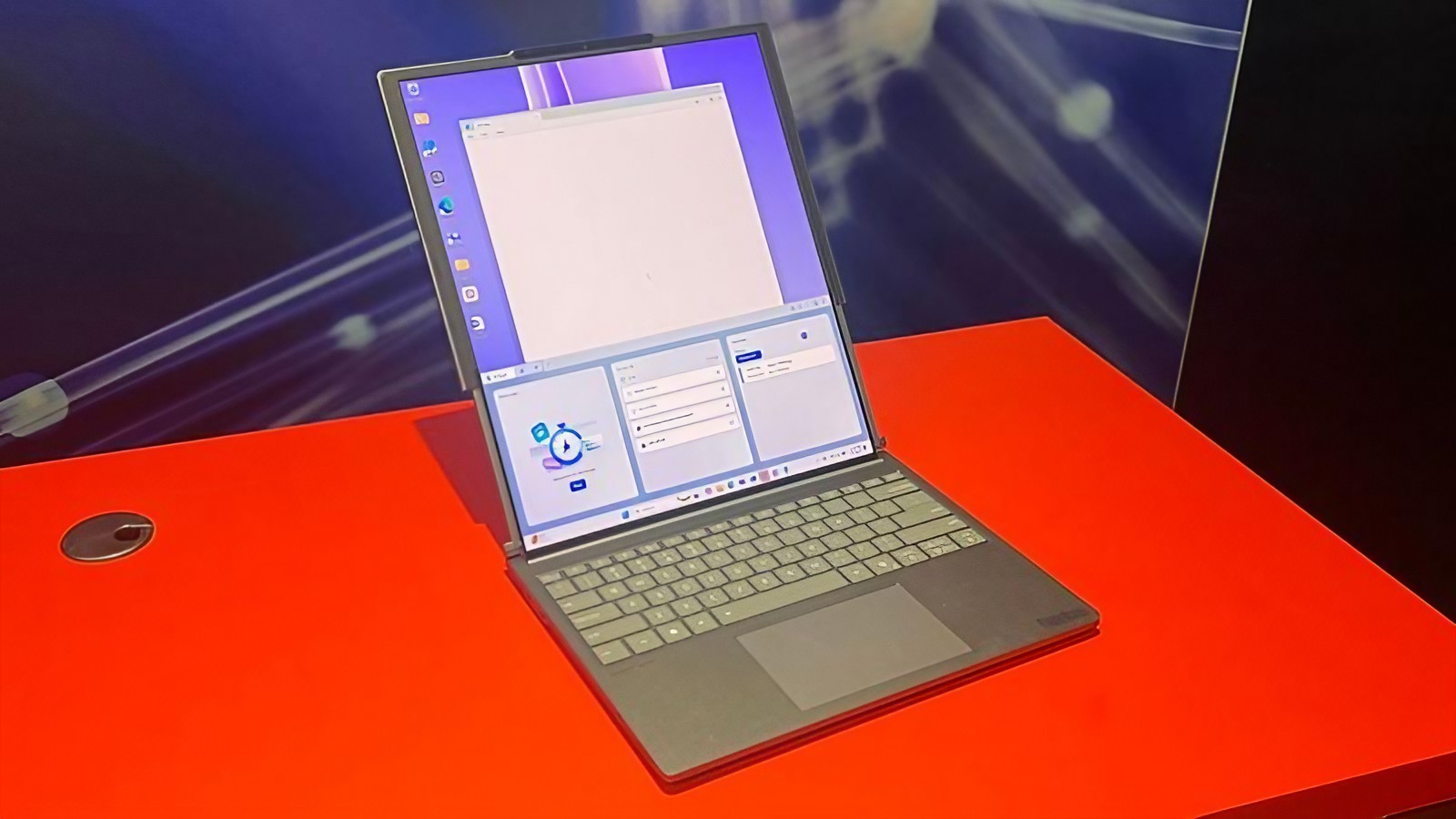
Lenovo previously showed the ThinkBook Plus Gen 6 Rollable, which used a vertically expanding display. Project Swan takes a different approach by expanding horizontally from 14 inches to 17 inches.
That change is important because a wider 17-inch display is closer to the format people already understand from conventional laptops and monitors. The horizontal design also makes the use case easier to explain. Instead of trying to turn a laptop into an unusually tall screen, Lenovo is giving users more width for multitasking, documents and other desktop-style work.
Project Swan therefore feels less like a completely different type of computer and more like a conventional laptop with a display that can temporarily grow. :
Don't Get Too Excited About the Specifications Yet
Project Swan is a proof of concept, so its current hardware should not be treated as final retail specifications.
Lenovo's demonstration uses Intel's Lunar Lake platform, but that does not mean a future commercial version would necessarily launch with exactly the same processor or internal hardware.
The more important technology here is the display system. The processor can change before launch. Memory, storage and other components can also change. The difficult part is fitting a flexible display, motorized mechanism and supporting hardware into a laptop that remains practical to carry.
That is why Project Swan should be judged differently from a normal laptop announcement. There is currently no confirmed retail price, release date or final specification sheet to compare against other laptops.
The Price Could Decide Whether This Idea Works
Lenovo has not announced a retail price or commercial release date for Project Swan. That could become one of the biggest challenges. Flexible OLED displays and mechanical components are more complicated than the hardware used in a conventional laptop. If those components make the final product extremely expensive, most buyers may simply choose a normal laptop and a portable monitor instead.
Lenovo's earlier ThinkBook Plus Gen 6 Rollable launched at a premium price, showing that rollable laptop technology has historically occupied the expensive end of the market. A future Project Swan would need to balance the cost of its unusual display system against what people are actually willing to pay.
That is why the most important Project Swan announcement may not be the screen itself. It may be the eventual price, if Lenovo decides to turn the concept into a real product.
But This Time, the Weird Idea Actually Makes Sense
Many concept laptops are impressive for a few minutes but difficult to imagine using every day. Project Swan has a different advantage: its purpose is immediately understandable. People already want laptops that are easy to carry. They also want larger displays when they are sitting down to work. Those two requirements normally force buyers to compromise.
A smaller laptop is easier to carry but gives you less screen space. A larger laptop gives you more workspace but takes up more room. Project Swan attempts to remove that compromise. Keep the laptop compact while traveling. Expand the screen when you need more workspace.
That does not mean the concept is guaranteed to succeed. The durability, cost and mechanical design still need to be proven. But the underlying idea is much more practical than a technology demo that exists only to look futuristic.This is the part of Project Swan that matters most: Lenovo is not asking people to completely change how they use a laptop. It is trying to give them more of what they already want.
Could Project Swan Actually Reach Stores?
It is too early to say. Lenovo has not announced that Project Swan will become a commercial laptop, and the company is still presenting it as a proof of concept. However, the concept looks more practical than some earlier rollable experiments. Current coverage from IFA 2026 suggests Lenovo is focusing on a more familiar laptop design rather than creating an extreme form factor.
If Lenovo can solve the durability problem and keep the weight and price under control, there is a real use case for this type of machine. The biggest question is whether the additional engineering can provide enough value to justify the cost.
If the answer is yes, rollable displays could become a new category of premium laptops. If the answer is no, Project Swan may remain an impressive demonstration that shows what laptop screens can do without becoming a product people actually buy.
What Lenovo Project Swan Really Tells Us About Future Laptops
Project Swan is not important simply because Lenovo found a way to roll a screen. The bigger idea is that laptops may no longer need to have a fixed physical size. Foldable phones have already shown that displays can change shape. Rollable laptops take that idea in another direction: instead of folding the computer smaller, the screen can expand when you need more space.
That could eventually lead to laptops that are easier to carry while still offering large working areas when required. For now, Project Swan remains a concept. But it shows that laptop manufacturers are increasingly experimenting with the physical shape of computers rather than competing only on processors, memory and battery life.
And that may be the most interesting part of this entire experiment. The laptop of the future may not simply have a bigger screen. It may have a screen that becomes bigger only when you need it.
Helpful answers
Frequently Asked Questions
What is Lenovo Project Swan?+
Lenovo Project Swan is a rollable laptop proof of concept with a flexible OLED display that expands horizontally from approximately 14 inches to 17 inches. Lenovo demonstrated the concept at IFA 2026.
How does Lenovo Project Swan work?+
Project Swan uses a flexible OLED display and a motorized mechanism that allows the screen to expand horizontally. The laptop starts with a 14-inch display and expands into a 17-inch 16:9 screen.
Is Lenovo Project Swan available to buy?+
No. Project Swan is currently a proof of concept. Lenovo has not announced a retail price or commercial release date for this specific laptop.
How big is the Lenovo Project Swan display?+
The display expands from approximately 14 inches to 17 inches. The expanded configuration uses a 16:9 aspect ratio and a resolution of 2,850 × 1,672 pixels.
How much does Lenovo Project Swan weigh?+
The Project Swan concept weighs approximately 1.6kg, or about 3.5 pounds, and is around 17.9mm thick.
Will Lenovo Project Swan launch?+
Lenovo has not confirmed a commercial launch for Project Swan. It remains a proof of concept, so its final specifications, price and availability are still unknown.
Why would someone want a rollable laptop?+
A rollable laptop could combine the portability of a smaller notebook with the workspace of a larger laptop. Users could carry a compact machine and expand the display when they need more room for multitasking, documents, spreadsheets or creative work.