Why Smartphones and Laptops Are Getting More Expensive in 2026
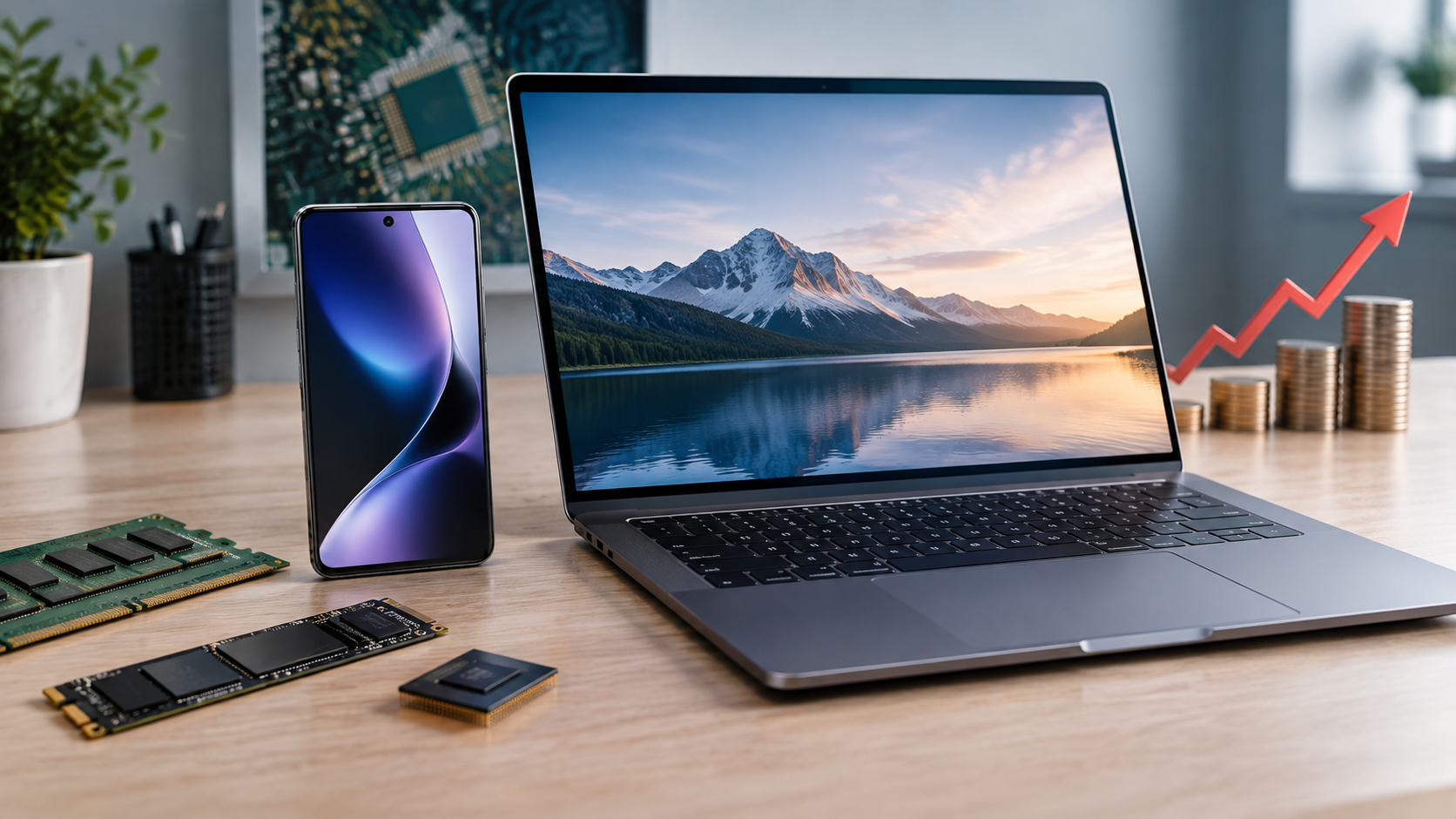
Smartphones and laptops are facing higher hardware costs in 2026. Rising memory prices, strong AI infrastructure demand and pressure across the semiconductor supply chain could affect how much consumers pay for their next device.
Buying a new smartphone or laptop in 2026 can feel more expensive than it did a year or two ago. Even when a device looks like a normal upgrade, the price can be noticeably higher. There isn't one simple reason behind this. Component costs, memory demand, manufacturing, currency movements, taxes, shipping and company pricing decisions can all affect what consumers eventually pay.
But there is another factor getting much more attention in 2026: the enormous amount of hardware being purchased for artificial intelligence. That raises a question worth investigating: Is AI really making our phones and laptops more expensive, or is the situation more complicated? I looked at this from a buyer's perspective because knowing that prices are rising isn't particularly useful on its own. What matters is understanding what's changing and whether paying more actually gives you something you will use.
The Memory Problem Most Buyers Don't See
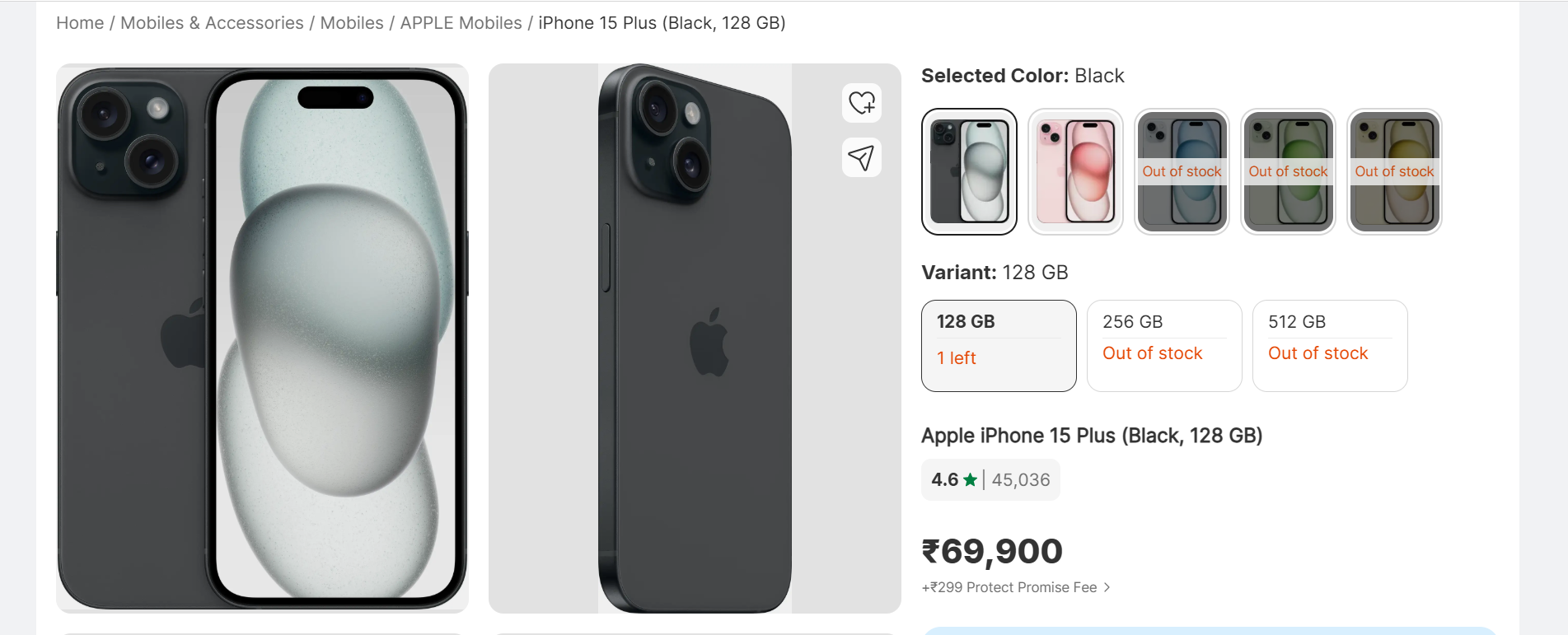
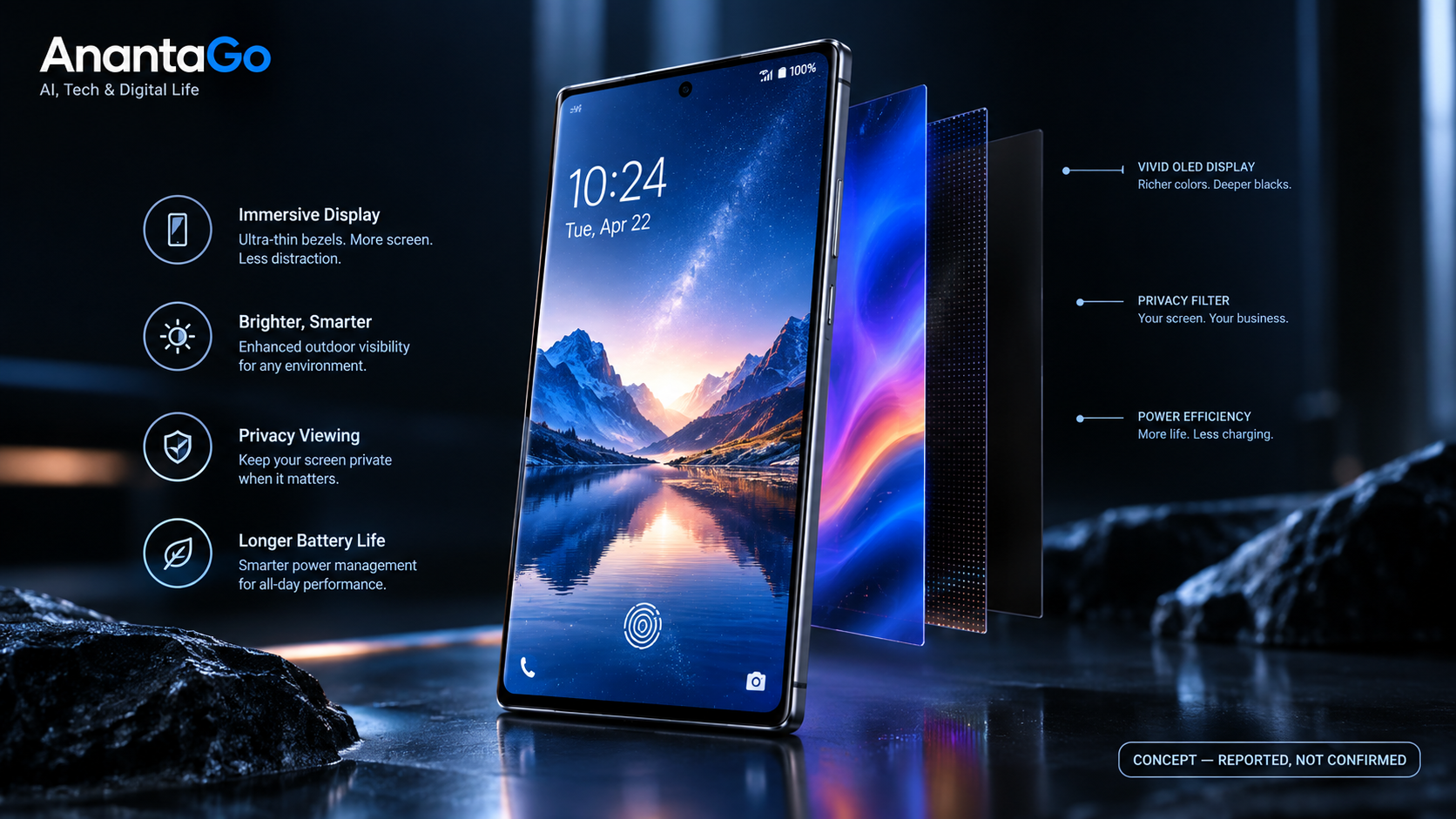
An actual 2026 smartphone listing showing its current configuration and price.
When people compare phones and laptops, they usually look at the processor, camera, display or battery first. Memory and storage often get less attention, even though they are essential parts of the device. RAM helps applications and processes run smoothly, while storage holds your photos, videos, apps and files. Higher-capacity configurations generally require more components, which contributes to the overall cost of a device.
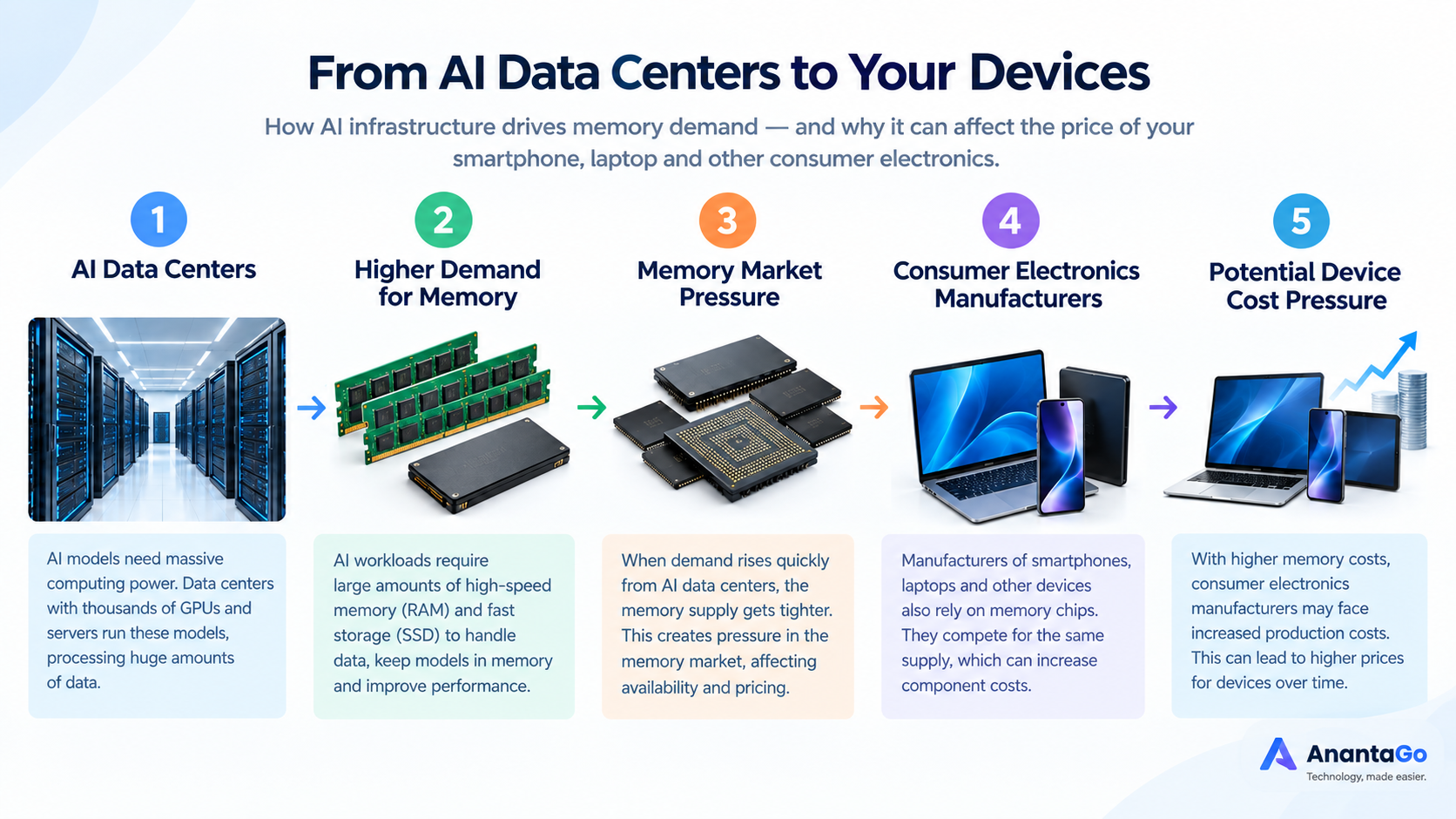
In 2026, the memory market is also being influenced by a much larger customer: AI infrastructure. AI data centers require huge amounts of advanced computing hardware and memory. As demand grows, manufacturers of consumer electronics are operating in a component market under greater pressure.
This does not mean an AI data center directly adds an “AI charge” to your smartphone. That would be an oversimplification. The connection is through the wider component supply chain. Strong demand for memory and other hardware can affect availability and pricing, while smartphone and laptop manufacturers must balance those costs with their own manufacturing and business expenses.
More Storage Can Mean a Much Higher Price
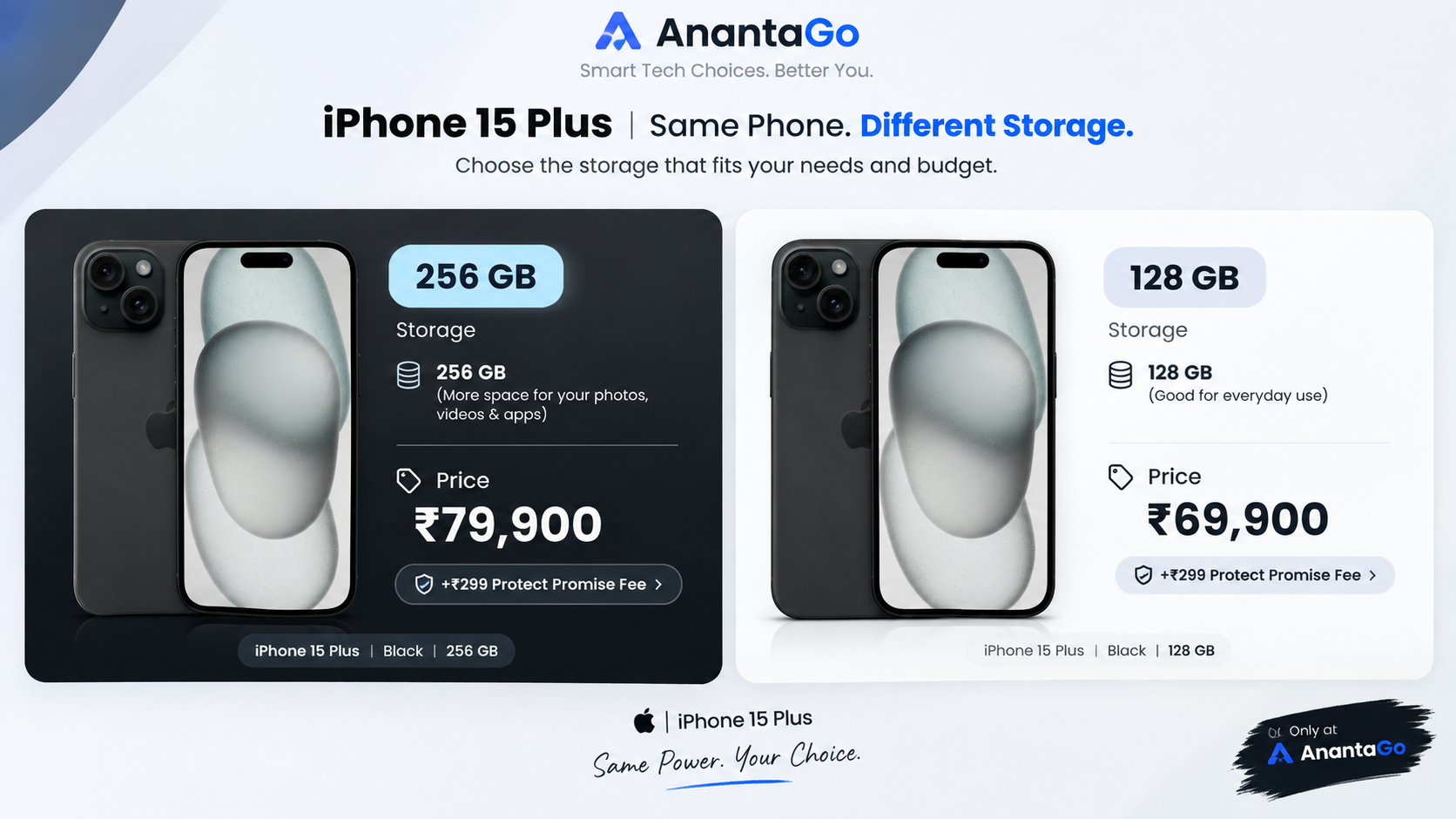
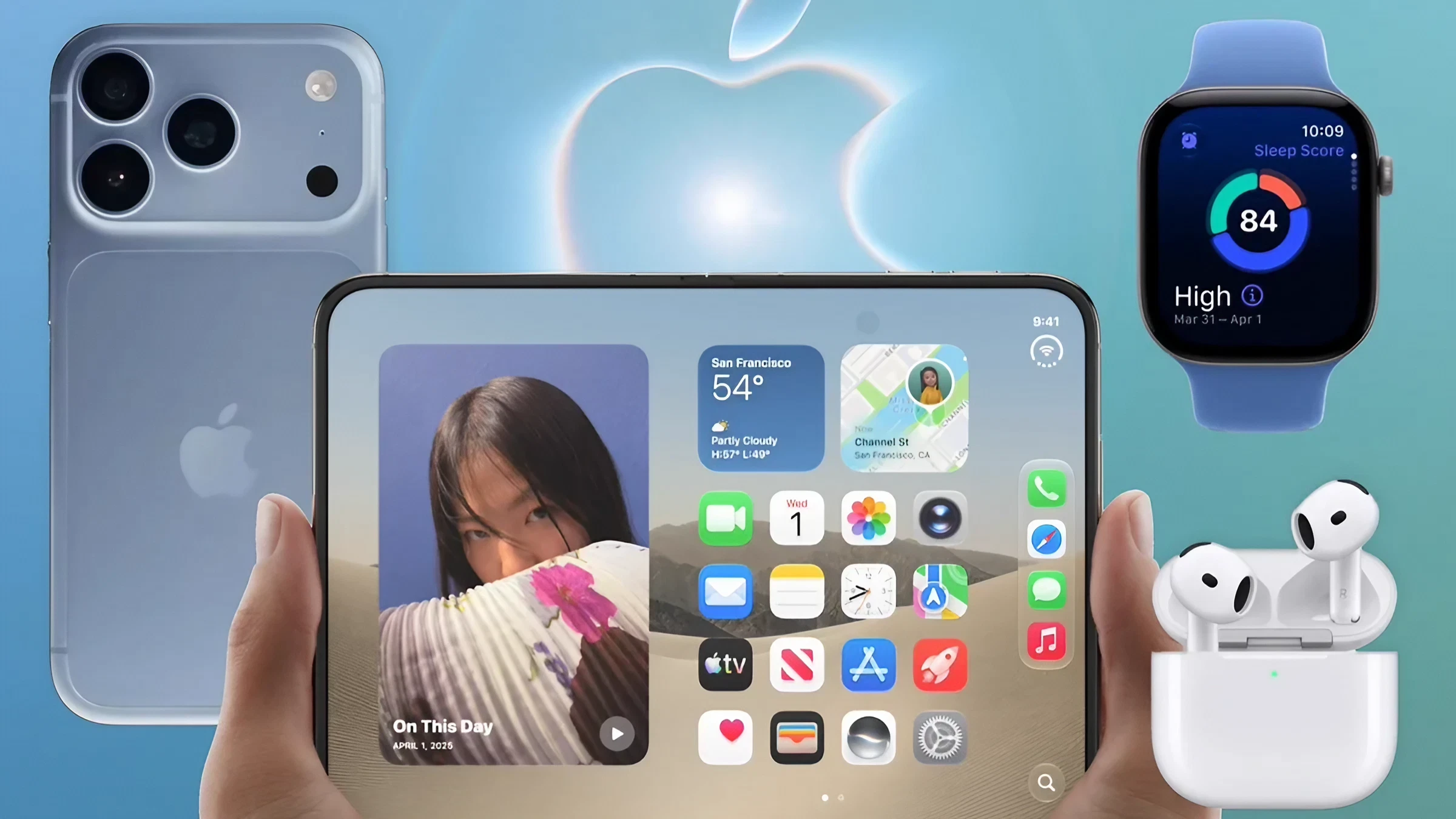
Different RAM and storage configurations can change the price of the same smartphone.
One simple way to see how hardware specifications affect pricing is to compare different versions of the same phone. A model with 128GB of storage may be significantly cheaper than the 256GB version. The same can happen when moving to a configuration with more RAM. But this creates an important question for buyers: Do you actually need the more expensive configuration?
If you mainly use messaging apps, social media, streaming, photography and everyday applications, the basic configuration may already be enough. Someone who records lots of high-resolution video, downloads large games or keeps a large offline media collection may benefit from additional storage. More expensive specifications are useful only when they solve an actual problem.
AI Is Part of the Story, Not the Whole Story
AI demand is one part of the memory-cost story; it does not mean every phone or laptop receives a direct AI surcharge.
AI is easy to blame whenever technology becomes more expensive, but the reality is more complicated. AI companies and data-center operators are buying enormous quantities of computing hardware. That increases demand for components, including advanced memory. At the same time, consumer devices still have their own cost pressures. A phone or laptop price can be affected by manufacturing, logistics, currency exchange rates, taxes, import costs, product positioning and the amount of profit a company wants to make.
Recent price changes show why this distinction matters. In September 2026, Reuters reported substantial iPhone price increases in India, with some models rising sharply. The report pointed to higher memory and storage chip costs alongside other India-specific costs. So the better conclusion isn't “AI made your phone expensive. It is: AI is changing the hardware market, while several other factors determine the price you eventually see.
Laptops Are Facing Similar Pressure
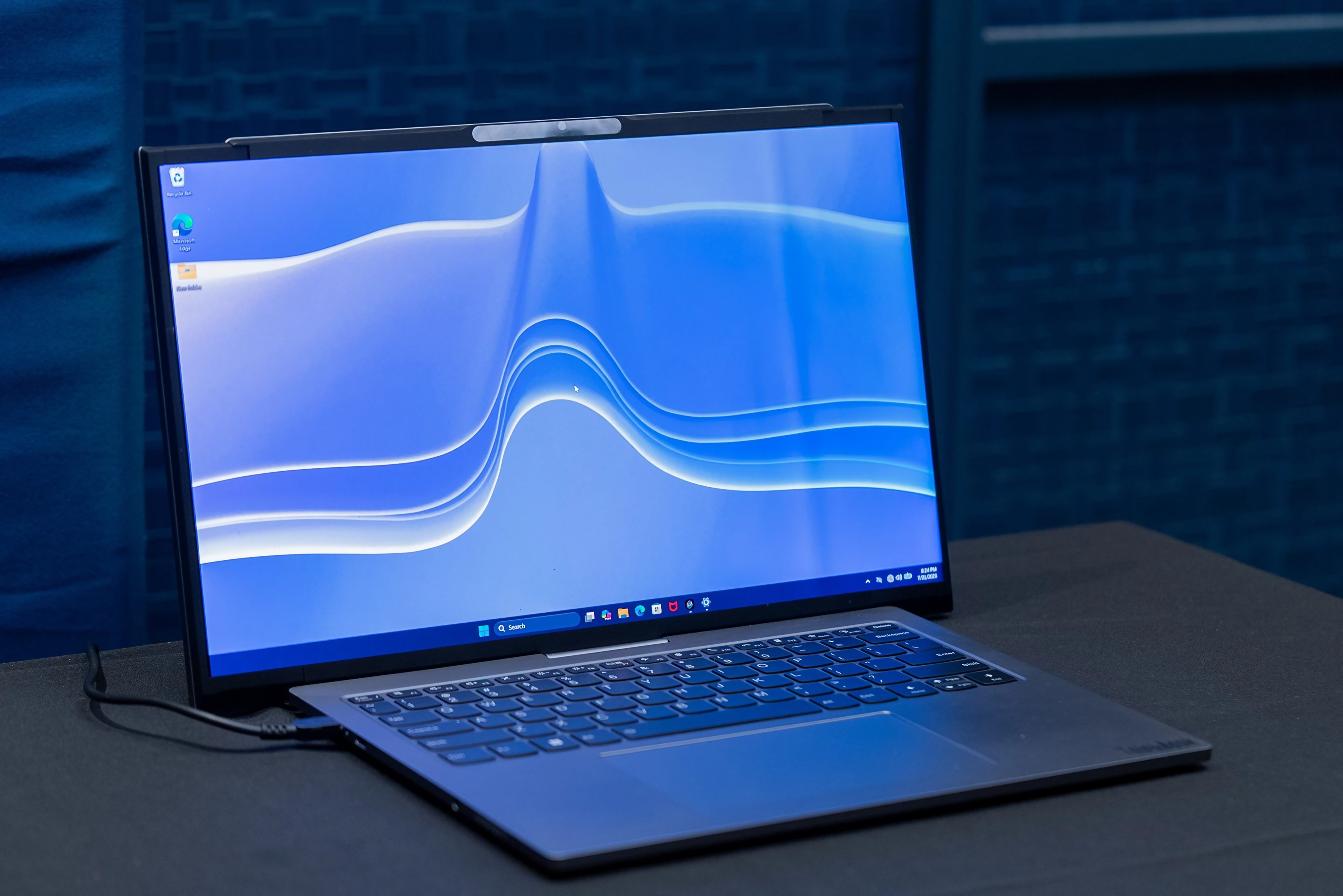
A current laptop configuration showing how memory, storage and other hardware specifications contribute to the overall price.
Laptops face many of the same pressures, although their prices depend on a much wider collection of components. A laptop's processor, RAM, SSD, display, battery and motherboard all contribute to the final cost. Higher-end configurations can become particularly expensive because they combine several premium components.
For an everyday user, 16GB of RAM and a reasonable SSD may already be enough for work, studying, browsing and entertainment. A professional working with large video projects, software development environments or demanding applications may have a very different requirement. This is why I wouldn't judge a laptop simply by its price or by one specification. Look at the complete configuration and compare it with what you actually do every day.
Should You Buy a Phone or Laptop Now?
There is no single answer for everyone. If your current device still works well, there is no reason to upgrade simply because prices are changing. If your phone has poor battery life, your storage is constantly full, or your laptop can no longer handle the work you need to do, waiting forever isn't necessarily the best decision either.
Before buying, I would compare the current model with the previous generation, check different storage configurations and look at the final price rather than focusing only on the launch price. I would also avoid paying for specifications I will never use. For many buyers, a previous-generation flagship or a sensible mid-range device could offer better value than the newest and most expensive model.
Our Take
The biggest lesson from the 2026 device-price story is that “more expensive” doesn't automatically mean “better value.” AI is creating enormous demand for computing infrastructure, and that demand can contribute to pressure across the memory and semiconductor ecosystem. But smartphone and laptop prices are influenced by many other factors too.
For buyers, the smartest approach is surprisingly simple: check the actual price, compare configurations, consider the previous generation and decide which specifications you genuinely need. If your current device is doing its job, keeping it for another year can sometimes be the better financial decision. And if you really need a new device, don't automatically buy the most expensive configuration. In 2026, understanding what you're paying for may be more valuable than simply buying the newest hardware.
Helpful answers
Frequently Asked Questions
Are AI data centers directly making smartphones more expensive?+
No. AI infrastructure is increasing demand for computing hardware and memory, which can contribute to broader component-market pressure. Smartphone prices are also affected by manufacturing, taxes, currency movements, logistics and company pricing decisions.
Will every smartphone become more expensive?+
Not necessarily. Different manufacturers have different supply arrangements, product strategies and pricing structures. Some models may become more expensive while others remain competitive through discounts or different component choices.
Should I buy a phone before prices rise further?+
There is no guarantee that every phone will become more expensive. If your current device works well, you don't need to panic-buy. If you need a replacement, compare current prices with previous-generation models before making a decision.
Is more RAM always worth paying for?+
No. More RAM can help with demanding multitasking and heavier workloads, but the right amount depends on how you use the device. Paying for more memory only makes sense when you are likely to benefit from it.
Can older phones and laptops be better value in 2026?+
They can. If a previous-generation device still meets your needs and is available at a substantially lower price, it may offer better value than paying a premium for the newest model. Compare the actual current prices before deciding.