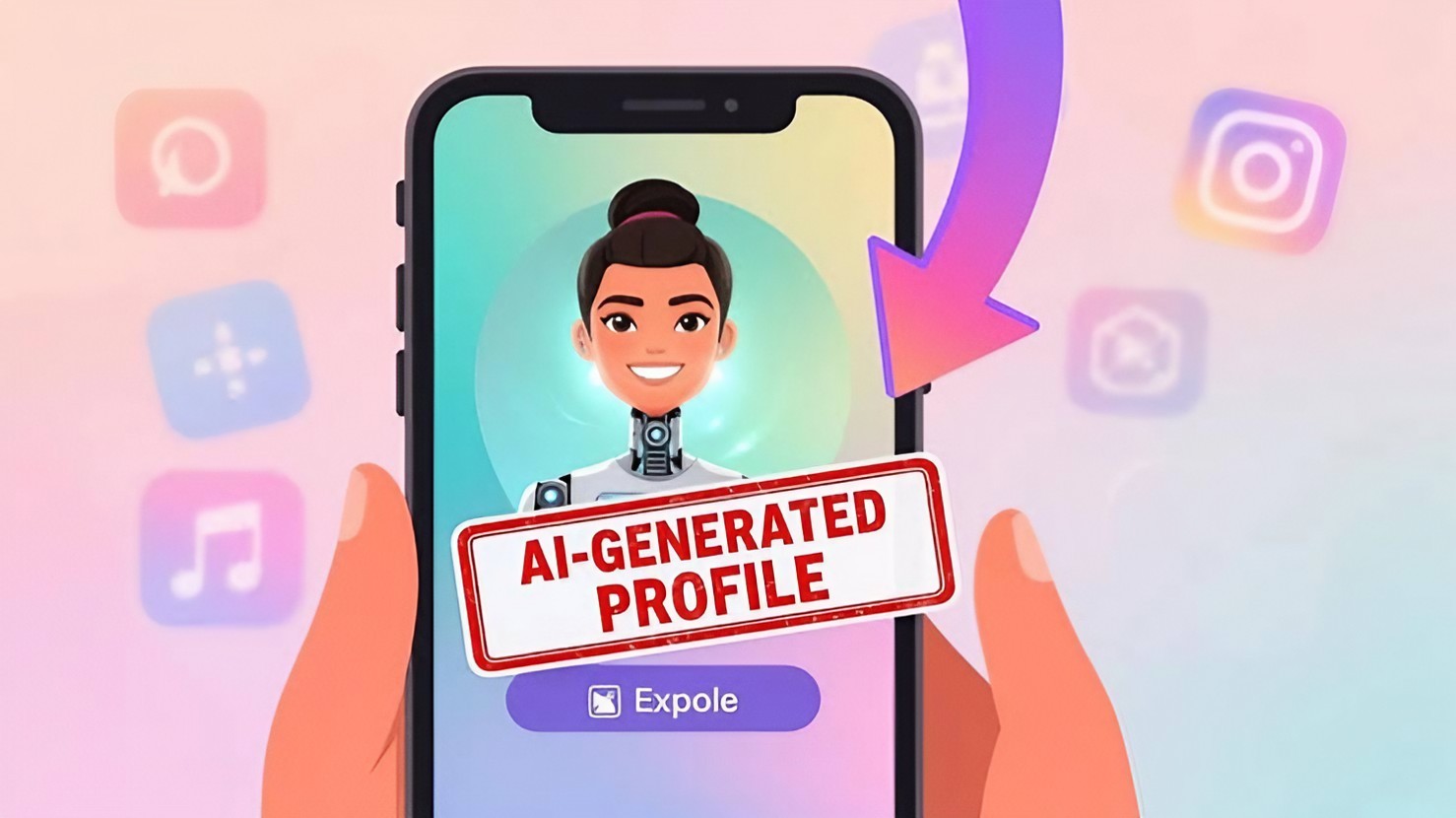
Instagram has introduced a new rule that could directly affect the reach of some AI-powered creator accounts. The platform has renamed its previous “AI creator” label to “AI-generated profile” and is taking a stronger approach to accounts built around people who do not actually exist. Instagram says profiles featuring AI-generated people that do not properly disclose this may have their reach limited.
That sounds like a major rule against AI content, but there is an important detail many headlines can miss. Instagram is not saying that every creator who uses ChatGPT, AI image tools, AI video editors or AI-powered editing features must label their profile. The key question is much narrower: Is the person at the center of the profile actually AI-generated?
That distinction matters. And your search-trend data suggests this is exactly the right time to cover the story. Search interest for “Instagram rule” climbed repeatedly during the final week of August and reached 100 on September 1, the highest point in the dataset you provided. So, what exactly changed, who needs the label, and could your Instagram reach be affected?
Instagram’s New AI Rule Is About Who the “Person” Really Is
Instagram announced the change on August 31, 2026, as it tries to make AI-generated profiles easier for users to recognize. The new “AI-generated profile” label replaces the older “AI creator” wording. Instagram says the change is designed to make it clearer when a profile regularly features an AI-generated person rather than a real human.
The important part is what happens when an account does not disclose that its featured person is AI-generated. Instagram says such profiles can have their recommendation reach limited.
In practical terms, that can mean fewer opportunities to appear in places such as Reels and Explore recommendations, where creators normally reach people who do not already follow them.
Does Using AI Automatically Mean You Need the Label?
No. This is probably the most important point for ordinary Instagram creators. Using AI does not automatically turn your account into an “AI-generated profile.” For example, imagine a real photographer who uses AI to remove objects from a picture. Or a real creator who uses AI to write a caption, improve audio, create a thumbnail or edit a video.
The creator is still a real person. AI is simply being used as a tool. Instagram’s explanation distinguishes this kind of AI-assisted creation from profiles where the person featured on the account is itself generated by AI.
So the better question is not “Did I use AI?” The better question is: “Is the person my Instagram profile is built around an AI-generated person?”
Who Is Actually Affected by Instagram’s New Rule?
AI-generated influencer profiles
Virtual influencers
Photorealistic AI personas
Profiles built around synthetic people
Accounts designed to appear like real human creators when the featured person is AI-generated
It is much less relevant to:
Real people using ChatGPT
Real creators using AI photo editing
Real creators using AI photo editing
AI-generated backgrounds
AI-written captions
AI-created thumbnails
Real creators experimenting with AI tools
That difference gives creators a simple way to understand the policy. Think of AI as either the tool or the person. If AI is the tool, the new profile rule generally isn't about you. If AI is the person your account presents to the audience, the new profile disclosure becomes important.
Could Not Adding the Label Reduce Your Instagram Reach?
Yes, this is the part creators should take seriously. Instagram says accounts featuring AI-generated people that fail to disclose that fact may have their recommendation reach limited. Reports on the announcement describe the restriction as affecting distribution through recommendation surfaces such as Reels and Explore.
This does not mean Instagram is automatically deleting the account. It is better understood as a distribution problem. An account can still exist, but if its posts are no longer recommended as widely to people who do not follow the account, discovering new followers becomes harder.
For an AI influencer whose entire business depends on reaching new users, that could be much more important than simply losing a profile badge.
The Interesting Part: Disclosure Is Not the Punishment
There is an unusual detail in Instagram’s approach that creators should understand. The problem is not simply being an AI-generated profile. The bigger problem is being an AI-generated profile without properly disclosing it.
Instagram says accounts that use the AI-generated profile label are not being punished simply because they are AI-generated. : That changes the strategy for creators.
Instead of trying to hide an AI persona to make it look completely human, creators have a much stronger reason to disclose it clearly. In other words, transparency can become a way to protect distribution rather than something that automatically destroys it.
Instagram’s AI Rule Is Not the Same as an AI Content Label
Another source of confusion is Instagram’s existing AI labeling system. There is a difference between labeling individual AI-created or AI-edited content and labeling an entire profile because the person featured on it is AI-generated.
For example, a real photographer could upload a particular AI-edited image and receive an AI-related content label. That does not automatically mean the photographer's entire account is an AI-generated profile. The new profile label answers a different question: Is the person this profile regularly features generated by AI?
Understanding that difference is important because otherwise creators may assume every use of generative AI requires an account-level disclosure. Instagram's own help information describes the profile label specifically in relation to accounts that regularly post content featuring an AI-generated person instead of a real human. :
What Should AI Creators Do Now?
Check what your profile actually represents.
If the account is built around a completely AI-generated person, treat the new rule seriously.
Check your current profile label.
Creators who previously used Instagram’s AI creator label should check how the new “AI-generated profile” wording appears on their account.
Do not remove disclosure just to look more human.
If your profile is genuinely AI-generated, hiding that fact could create a bigger reach problem.
Watch Account Status.
If Instagram believes your account should carry the label, the platform provides account-status tools where creators can review enforcement and, where applicable, challenge decisions.
Keep your audience informed.
If your account is intentionally built around an AI persona, being transparent can help prevent followers from believing the person is real.
Why This Rule Matters Beyond Instagram
AnantaGo’s view is that the biggest change is not the label itself. It is the fact that social platforms are beginning to treat digital identity as something that needs to be disclosed. For years, the internet allowed a profile picture, username and personality to create the impression that there was a real person behind an account. Generative AI has made that assumption much weaker.
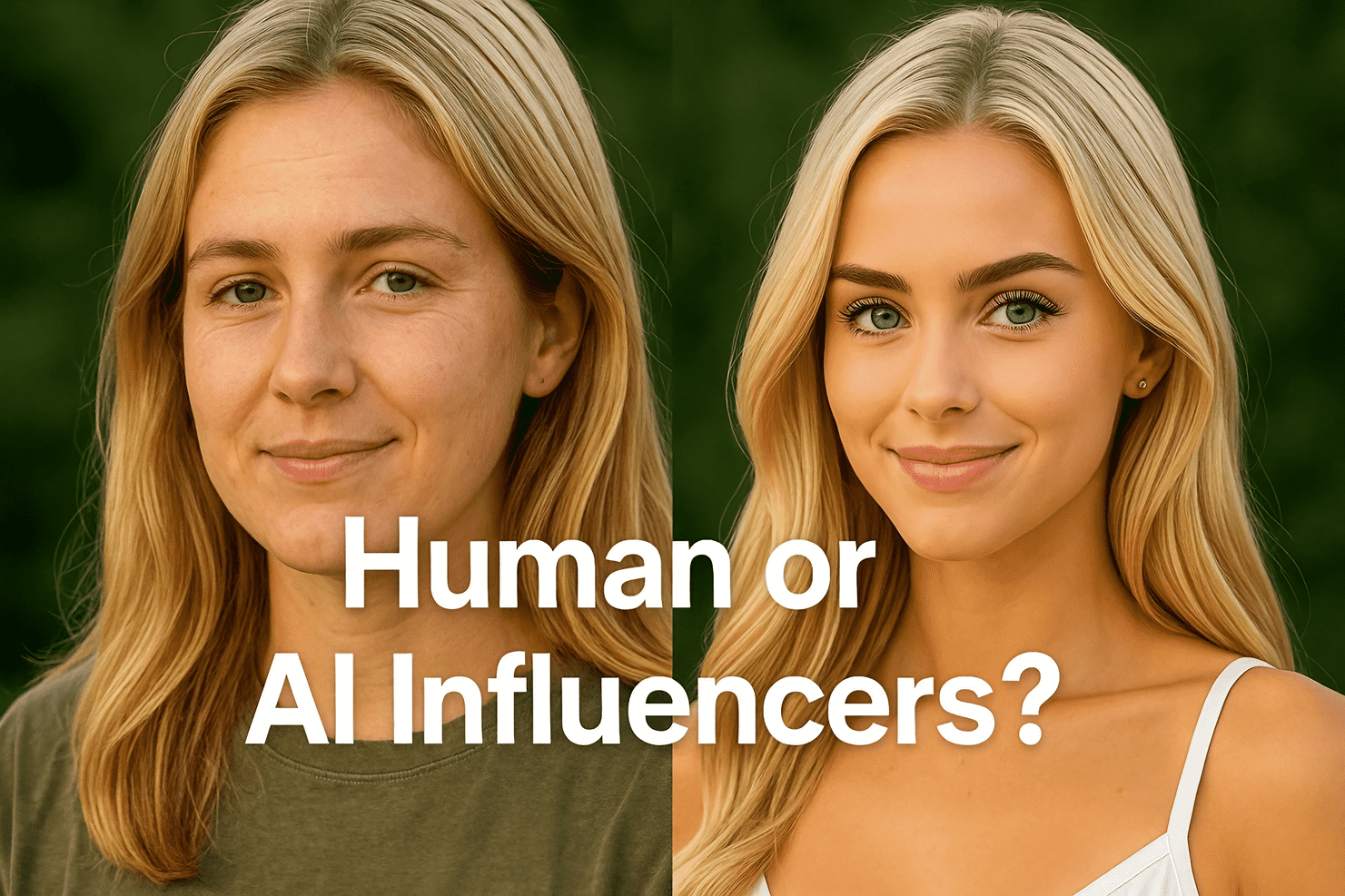
A realistic face can now be created without a real human. A voice can be generated. Videos can be produced. A personality can be designed. And an entire social-media identity can be built around something that does not physically exist.
Instagram’s new rule is therefore less about stopping AI and more about preventing users from confusing synthetic identities with real people. Instagram itself said the new labeling approach responds to user concerns about discovering that apparently human profiles were actually AI-generated.
Your “Instagram Rule” Search Trend Is Rising for a Reason
The timing of this story is particularly interesting for anyone following search trends. In the search-interest data provided for the keyword “instagram rule,” interest repeatedly climbed during the final week of August. The daily peaks moved from 63 on August 26 to 69 on August 27, 62 on August 28, 85 on August 30 and 94 on August 31.
On September 1, the keyword reached 100 — the highest value in the dataset. That does not mean 100 people searched for the term. Google Trends-style data is relative, with 100 representing the highest search-interest point within the selected period.
But the direction is valuable. The topic was gaining attention at the same time Instagram announced its new AI-generated profile policy. For AnantaGo, that makes this a stronger editorial opportunity than writing a generic “What is an AI influencer?” article. The better search intent is the question people are likely asking right now: what is Instagram's new rule, and could it affect my reach?
Bottom Line
Instagram’s new AI-generated profile rule is narrower than it may first appear. If you are a real person using AI tools to edit photos, write captions, create graphics or improve videos, this rule does not mean you suddenly need to turn your profile into an AI-labeled account.
But if your profile is built around a person who is actually generated by AI, the new disclosure matters.
Instagram has renamed its previous AI creator label to “AI-generated profile” and warned that undisclosed AI-generated profiles may have their recommendation reach limited.
For AI creators, the safest strategy is simple: be clear about what your profile represents. And for everyone else, the bigger lesson is worth remembering — on social media in 2026, a realistic face is no longer proof that a real person exists behind the account.
Helpful answers
Frequently Asked Questions
What is Instagram’s new AI-generated profile rule?+
Instagram has renamed its previous “AI creator” label to “AI-generated profile” for accounts featuring AI-generated people. The platform says undisclosed AI-generated profiles may have their recommendation reach limited.
Will Instagram reduce my reach if I use AI?+
Not simply because you use AI. The new rule focuses on profiles featuring AI-generated people. Using AI for editing, captions, graphics or other creative assistance is different from building a profile around an AI-generated person.
What happens if an AI-generated profile does not use the label?+
Instagram says the profile may have its recommendation reach limited. This can reduce its ability to reach people who do not already follow the account through recommendation surfaces such as Reels and Explore.
Does an AI-generated profile get banned from Instagram?+
The announced measure is a reach limitation, not an automatic account ban. Instagram is focusing on disclosure and recommendation eligibility for accounts featuring AI-generated people.
Do real creators using ChatGPT need an AI-generated profile label?+
No. Using AI tools does not by itself make someone an AI-generated profile. The important distinction is whether the person featured on the profile is AI-generated or is a real human using AI as a creative tool.
Can Instagram wrongly identify a real person as AI-generated?+
Automated systems can make mistakes. Instagram provides account-status and appeal mechanisms for creators who believe their account has been incorrectly identified or restricted.